
What Temperature Should You Set Your Thermostat
Okay, picture this: I’m practically glued to the couch, wrapped in a blanket burrito, even though it’s technically supposed to be spring. My partner walks in, looking like they just stepped out of a tropical vacation, and proceeds to crank up the AC. I swear, our thermostat is the battlefield where comfort wars are constantly waged. (Anyone else relate to this daily struggle? Tell me I'm not alone!)
Which leads to the age-old question: What temperature should you actually set your thermostat to? Is there a magical number that keeps everyone happy, comfortable, and doesn't bankrupt you with astronomical energy bills? Let's dive in, shall we?
The Great Temperature Debate: No One Agrees!
First, let's acknowledge the elephant in the room: temperature perception is wildly subjective. What feels like a cozy 72°F to one person might feel like a sweltering jungle to another. Factors like your metabolism, clothing, activity level, and even your geographic location (humidity is the devil!) all play a role. So, finding a universally acceptable temperature is about as likely as finding a unicorn that can do your taxes. (If you do find one, let me know!).
Must Read
But don't despair! There are some general guidelines we can follow. It all boils down to balancing comfort, energy efficiency, and… well, not starting a domestic dispute.
The Energy-Saving Sweet Spot
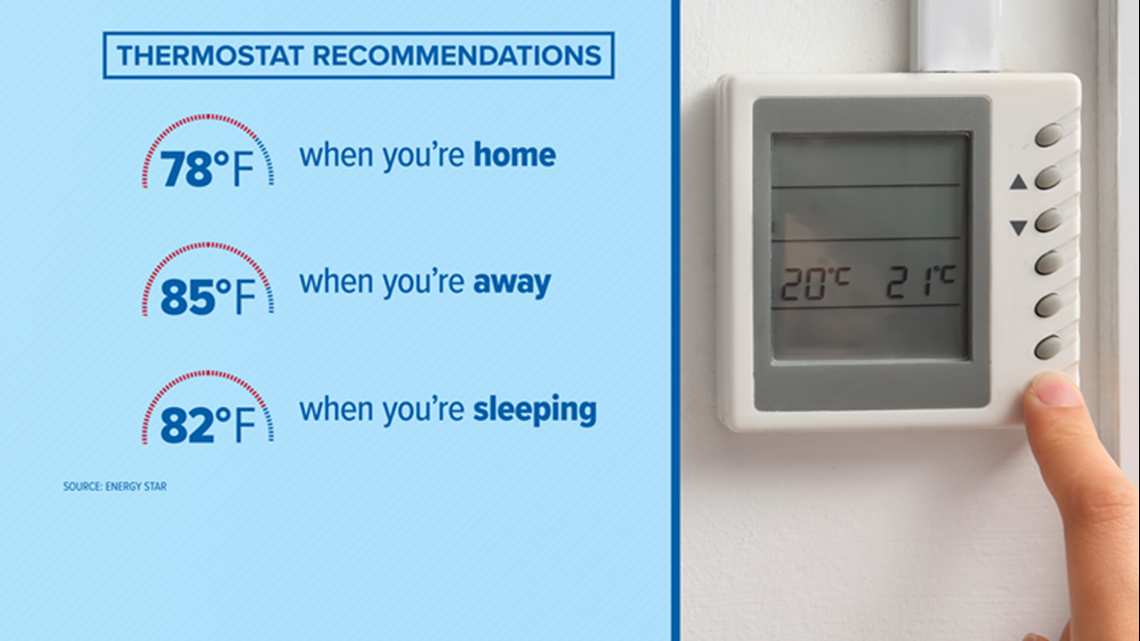
From an energy-saving perspective, the Department of Energy (DOE) recommends setting your thermostat to 78°F (26°C) when you're home and need cooling, and 85°F (29°C) or turning your AC completely off when you're away. For heating in the winter, they suggest 68°F (20°C) when you're home and lowering it while you're asleep or away.
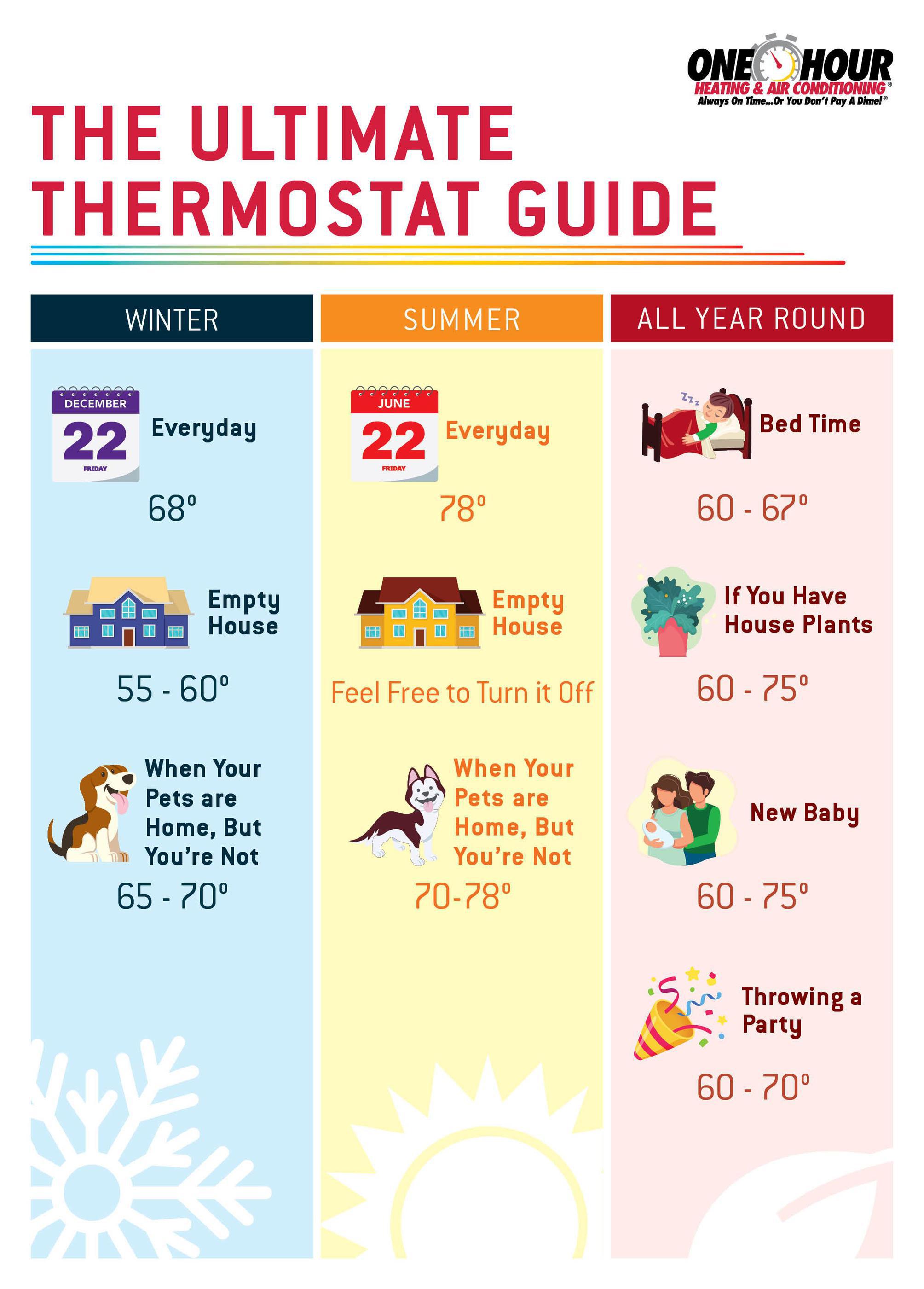
Now, I know what you're thinking: "85°F?! Are they trying to boil me alive?" Hear me out! This is just a baseline recommendation. The idea is that every degree you raise the thermostat in the summer (or lower it in the winter) can save you significant money on your energy bill. (Seriously, we're talking potentially hundreds of dollars per year!).
Of course, feeling like you’re living in a sauna isn't exactly ideal. So, think of these numbers as a starting point. You can always adjust them to find a temperature that balances energy savings and personal comfort.
Finding Your Personal Comfort Zone
The key is to experiment! Try adjusting your thermostat a degree or two at a time and see how you feel. Pay attention to the time of day, the weather outside, and your activity level. You might find that you're perfectly comfortable at 75°F in the evening but need it a bit cooler during the day when you're working.
Here are some additional tips for finding your personal comfort zone:

- Use a programmable thermostat: This allows you to set different temperatures for different times of the day, so you can automatically adjust the temperature when you're asleep, at work, or home. (Smart thermostats are even cooler because they learn your preferences!).
- Consider ceiling fans: Circulating the air can make a room feel cooler in the summer and warmer in the winter, without having to crank up the AC or heat.
- Dress appropriately: Seems obvious, but wearing light, breathable clothing in the summer and layering up in the winter can make a big difference.
- Seal any drafts: Gaps around windows and doors can let in hot or cold air, making it harder to maintain a comfortable temperature.
- Don't forget about humidity: High humidity can make the air feel hotter than it actually is. Consider using a dehumidifier to reduce humidity levels in your home.
The Bottom Line
Ultimately, the best temperature for your thermostat is the one that keeps you comfortable and doesn't break the bank. It's a balancing act, and it might take some trial and error to find the sweet spot.
And hey, if all else fails, just invest in a really good blanket (or a personal space heater... shhh!). Good luck navigating the temperature wars in your home! May the odds be ever in your favor.
