
What Temperature Should You Drip Your Faucets
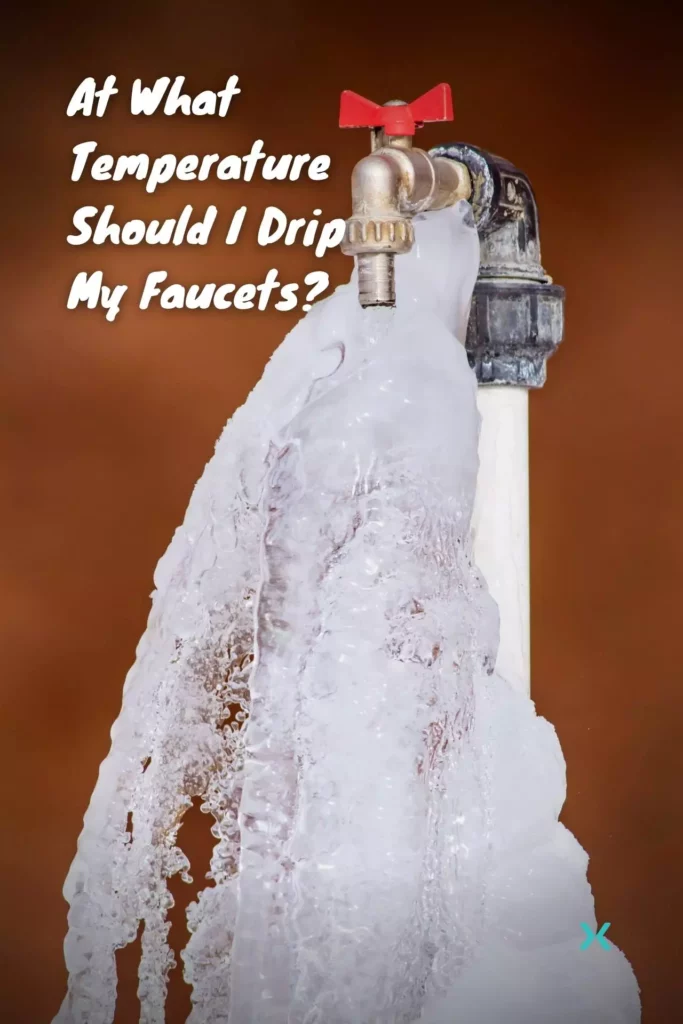
Alright, settle in, grab a coffee (or something stronger, I'm not judging), and let's talk about faucets. Specifically, dripping them when Old Man Winter comes knocking. Because let's face it, nobody wants to start their day with a Frozen-themed water show in their bathroom, and I'm not talking about Elsa serenading you.
The Great Drip Debate: Degrees of Disaster
So, what’s the magic temperature? Is there a secret handshake you need to know? A specific chant to ward off pipe-freezing goblins? Well, not really. But here's the deal: the commonly accepted wisdom is that you should start dripping your faucets when the temperature dips to 20 degrees Fahrenheit (-6.7 degrees Celsius).
Now, I know what you’re thinking: “Twenty degrees? That’s practically balmy! I wear shorts in twenty degrees!” Well, good for you, Mr./Ms. Polar Bear. But remember, we're not worried about your comfort; we're worried about the comfort of your pipes, which, unlike you in your shorts, are probably not having a good time.
Must Read
Think of it this way: water expands when it freezes. It's like water's trying to become the Incredible Hulk of household substances, except instead of ripping its shirt, it rips your pipes. And trust me, a plumbing emergency is way more expensive than a new shirt (or even a Hulk-sized one!).
But here's the kicker: 20 degrees is just a guideline. There are a few extra factors to consider. Imagine your house is a gingerbread house. A poorly insulated gingerbread house. Exposed pipes are like those flimsy gumdrop decorations that are barely hanging on. The colder it is and the less insulated your pipes are, the sooner you should start the drip. Think of it as preventative plumbing maintenance.
Drip Like You Mean It (But Not Too Much)
Okay, so you’ve decided to drip. Congratulations, you're officially proactive! But now you have to figure out how to drip. Are we talking a firehose-level torrent? A gentle trickle? Something in between?
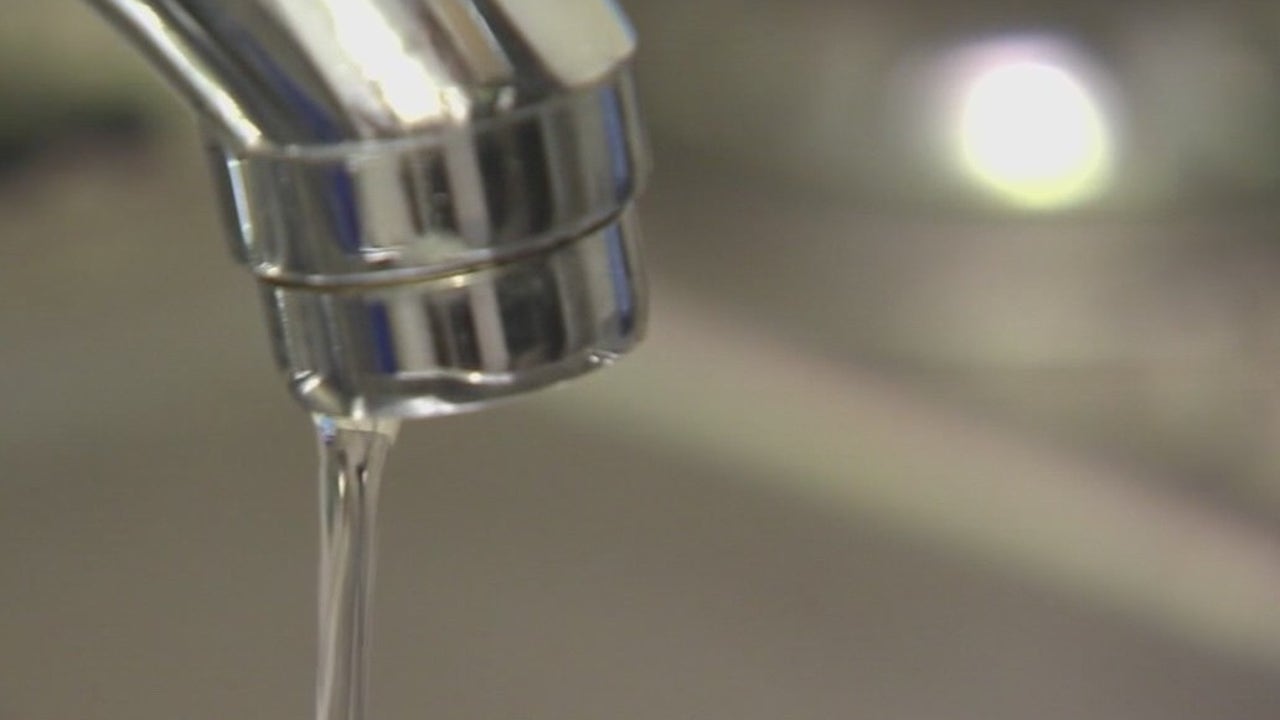
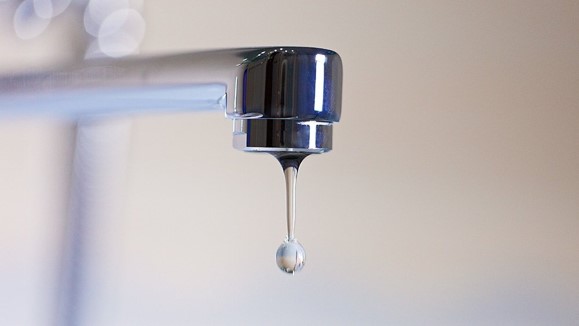
The ideal drip is just a small, steady stream. Think of it as a faucet crying a single, dramatic tear. Or maybe it's just yawning after a long night. Either way, we're not aiming for Niagara Falls here. The goal is to keep the water moving, preventing it from settling and freezing.
Pro-Tip: Drip both hot and cold water. Why? Because even the cold water lines can freeze! It's like a double-pronged attack against Jack Frost's icy grip.
Location, Location, Drip-cation!
Which faucets should you drip? Well, prioritize the ones on exterior walls. These are the most vulnerable to the cold. Think about it: that bathroom sink on the north side of the house is basically inviting Mr. Freeze over for a cup of…well, frozen water.
Also, don't forget about those hidden pipes in unheated areas like your basement, crawl space, or garage. If you have faucets or exposed pipes in these locations, definitely add them to your drip roster. They're like the forgotten soldiers in the battle against frozen pipes.
![How to Drip a Faucet to Prevent Frozen Pipes [In 5 Minutes]](https://www.jabrasanitary.com/image/catalog/blog/drip-a-faucet/temperature-to-drip-faucets.jpg)
Beyond the Drip: Extra Credit for Avoiding Frozen Plumbing Armageddon
Dripping faucets is a good start, but if you really want to be a plumbing superhero, here are a few extra tips:
- Insulate your pipes! You can buy pipe insulation at any hardware store. It's like giving your pipes a cozy little sweater.
- Seal any cracks or openings in your walls. This helps prevent cold air from getting to your pipes. Think of it as caulking up the defenses!
- Open cabinet doors under sinks. This allows warm air to circulate around the pipes. It's like giving them a mini-sauna session.
- Let the sun shine in! Open curtains during the day to allow sunlight to warm your home. Vitamin D is good for houses too, apparently.
The Drip-tastic Conclusion
So, there you have it! The complete (and hopefully entertaining) guide to dripping your faucets. Remember, when the temperature drops to 20 degrees Fahrenheit or below, let those faucets cry a little tear, and your pipes will thank you (probably in the form of not exploding all over your house). Now go forth and conquer the cold! And maybe invest in a good pair of thermal socks. Just sayin'.
Disclaimer: I am not a plumber. If your pipes actually explode, please call a professional. And maybe don't blame me. I'm just a friendly voice on the internet trying to prevent plumbing disasters, one drip at a time.
