
What Temperature Should Thermostat Be In Winter

Hey there, cozy creatures! As winter's icy grip tightens, we're all thinking about one thing: staying warm. But what's the magic number on that thermostat? What temperature should you really set it to in winter? Let's dive into the wonderfully warm world of home heating, shall we?
The Goldilocks Zone: Not Too Hot, Not Too Cold
Think of your thermostat like Goldilocks' porridge. You don't want it too hot, blasting your energy bill into orbit. You also don't want it too cold, leaving you shivering under a mountain of blankets. So, what's just right?
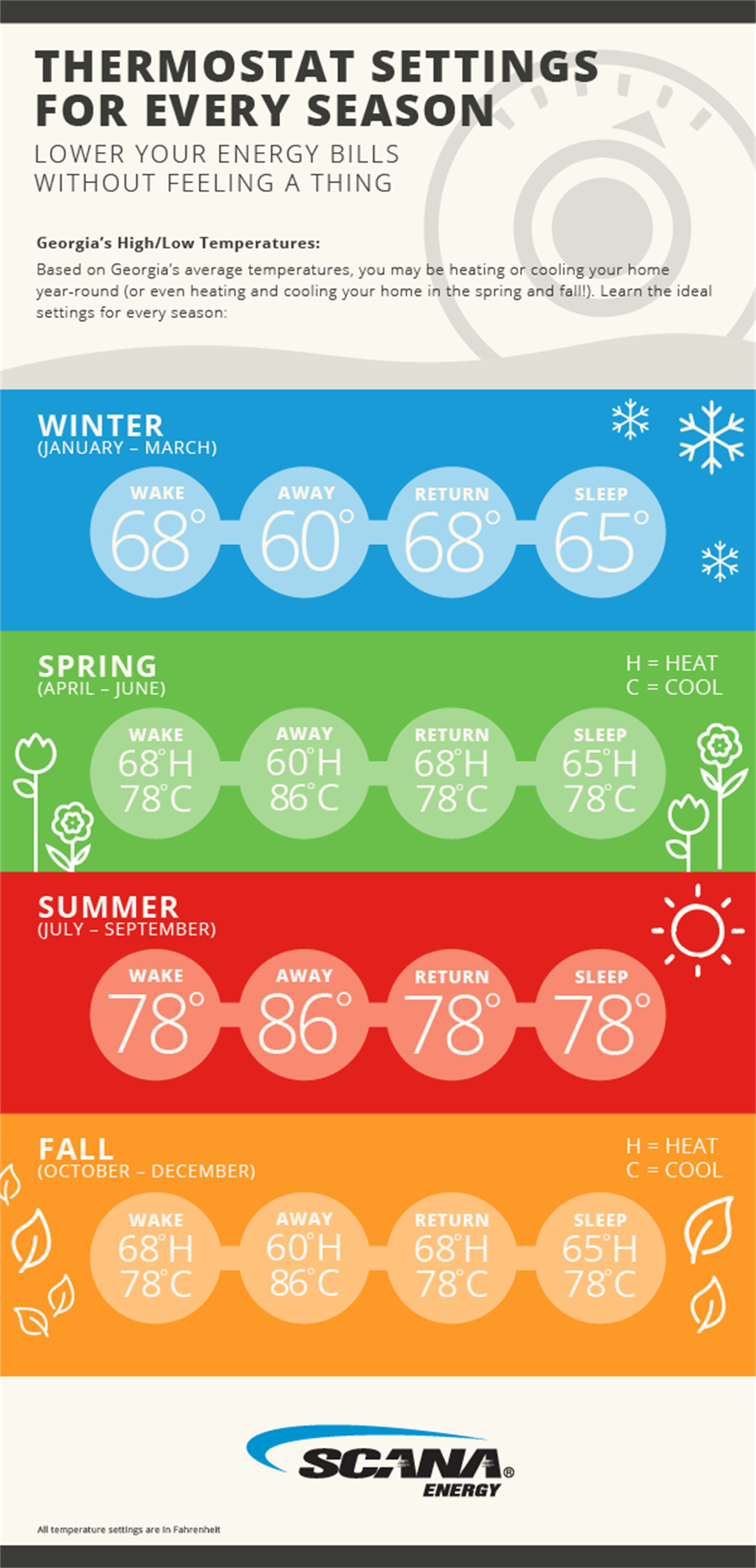
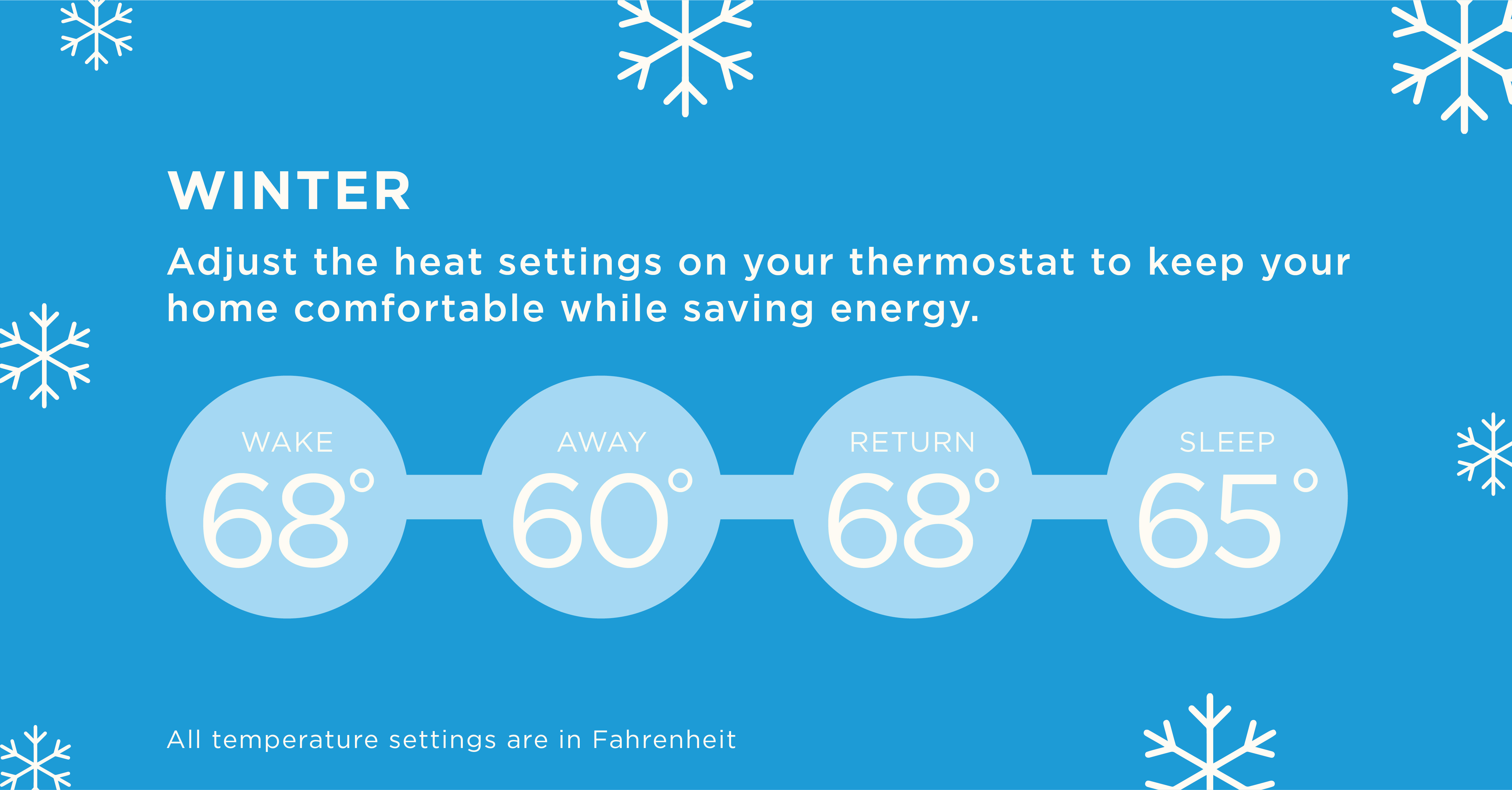
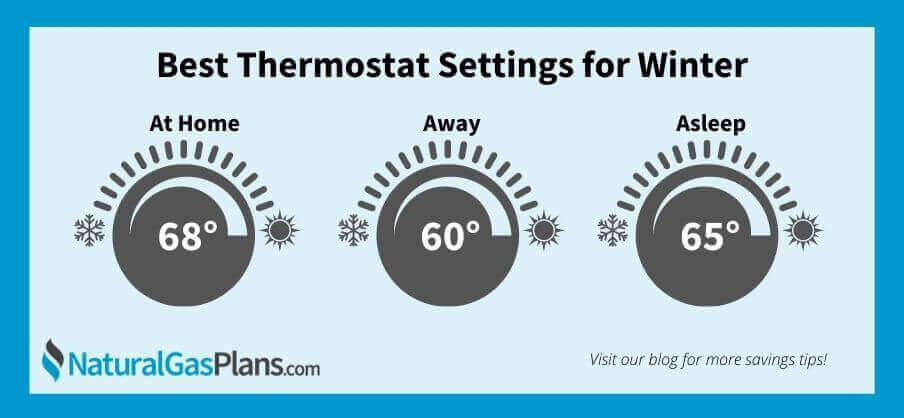
Drumroll please… Many experts recommend around 68 degrees Fahrenheit (20 degrees Celsius) while you're awake and active. Sounds reasonable, right? It's warm enough to be comfortable without feeling like you're living inside a pizza oven.
Must Read
Why 68? Is It Just a Random Number?
Good question! It's not just plucked from thin air. Studies have shown that 68 degrees strikes a good balance between comfort and energy efficiency. Think of it like finding the sweet spot on your car's gas mileage. You want to go far, but you don't want to empty your wallet doing it.
Keeping your thermostat at 68 during the day can help you save a significant amount on your heating bill. We're talking potentially 10% or more compared to cranking it up to a toasty 72 or higher. That's money you could be spending on, well, more blankets! Or maybe a nice hot chocolate.
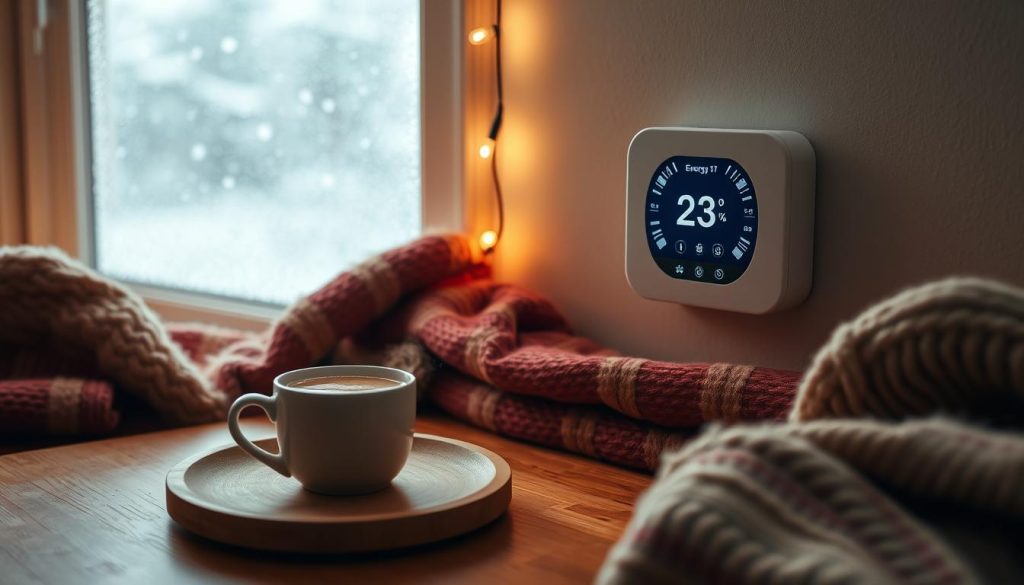
Dialing It Down: The Sleepy Time Secret
Here's a little secret: you don't need to heat your home to the same temperature while you're sleeping. In fact, lowering the thermostat at night can actually improve your sleep quality. Think of it like hibernating (sort of!). Your body naturally cools down when you sleep, and a slightly cooler room can help facilitate that process.
So, what's the magic number for nighttime? Aim for around 60-64 degrees Fahrenheit (15-18 degrees Celsius). Don't worry, you won't freeze! A good comforter and some cozy pajamas will keep you perfectly comfortable.
Why bother? Lowering the temperature at night not only helps you sleep better, but it also saves you even more money on your heating bill. It's a win-win situation! Plus, who doesn't love snuggling under the covers?
Weekend Getaway? Don't Heat an Empty House!
Planning a ski trip or a visit to grandma's? Don't waste energy heating an empty house! Turn that thermostat down, down, down!
Aim for around 55 degrees Fahrenheit (13 degrees Celsius). This will prevent your pipes from freezing while still keeping your energy bill in check. Think of it like putting your house in "standby mode." It's still there, but it's not consuming nearly as much energy.
Smart Thermostats: Your Heating Wingman
Feeling overwhelmed by all these numbers? Fear not! Smart thermostats are here to save the day. These nifty gadgets can learn your heating preferences and automatically adjust the temperature based on your schedule. Think of them like a personal heating assistant!
You can program them to lower the temperature when you're at work or asleep and raise it again before you wake up or get home. Some even have features that allow you to control the temperature remotely from your smartphone. Talk about convenience!
Personal Preference Matters!
Of course, these are just guidelines. The perfect thermostat setting ultimately depends on your personal preferences, your home's insulation, and even the clothing you wear. If you tend to run cold, you might need to bump up the temperature a few degrees. If you live in a well-insulated home, you might be able to get away with setting it a bit lower.
The key is to experiment and find what works best for you and your family. Don't be afraid to play around with the thermostat and see how it affects your comfort and your energy bill.
In Conclusion: Be Smart, Be Cozy!
So, there you have it! The ideal thermostat setting in winter is a balancing act between comfort and energy efficiency. 68 degrees Fahrenheit during the day, 60-64 degrees Fahrenheit at night, and 55 degrees Fahrenheit when you're away are good starting points, but don't be afraid to adjust them based on your individual needs.
Stay warm, stay cozy, and happy heating!