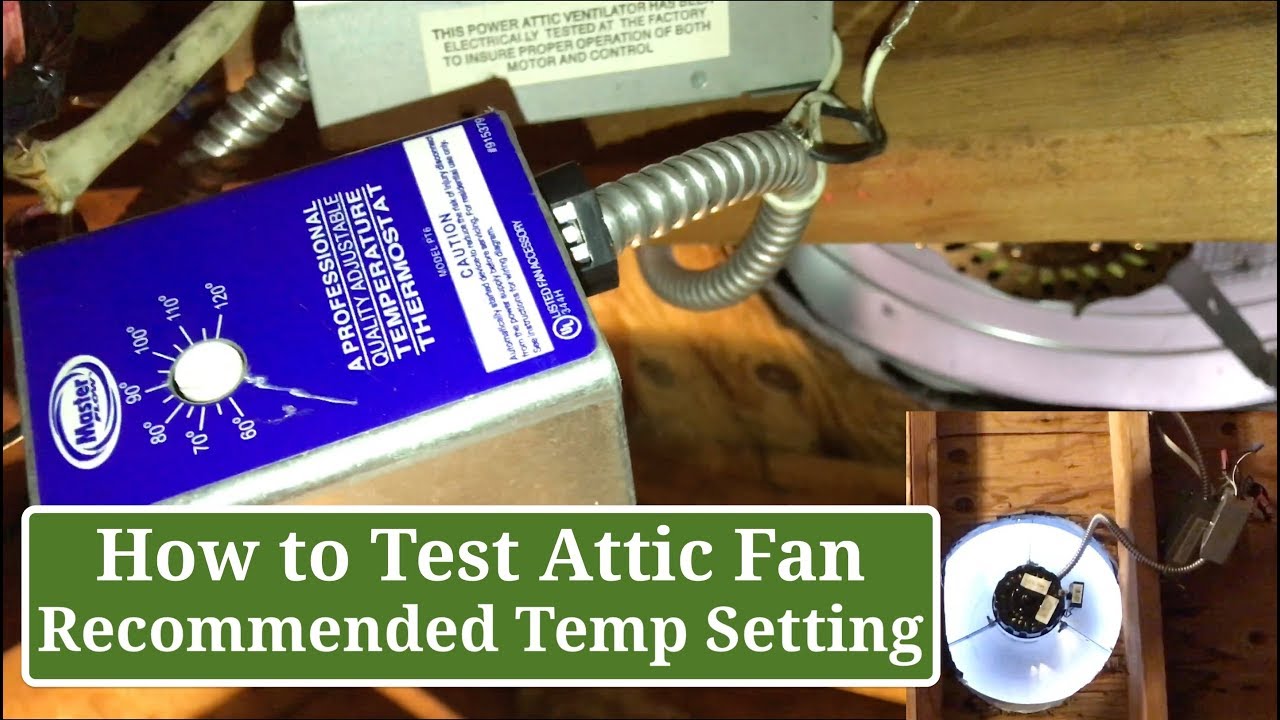
What Temperature Should I Set My Attic Fan At

Let's talk about attic fans! Now, I know what you might be thinking: "Attic fans? Fun? Seriously?" But trust me, once you understand how these whirring wonders can save you money and keep your home comfortable, you'll be hooked. It's like unlocking a secret level in the game of homeownership, and the key is knowing what temperature to set that dial to. So, grab a cool drink (maybe from your now-cooler house!) and let's dive in.
First things first, what exactly does an attic fan do? Simply put, it's designed to exhaust hot air from your attic. Attics, especially in the summer months, can become scorching hot – we're talking oven-like temperatures. This heat radiates down into your living spaces, making your air conditioner work overtime (and racking up your energy bill!). An attic fan kicks in to remove that superheated air, allowing cooler air to circulate and taking a load off your AC.
The benefits are pretty clear: lower energy bills, a more comfortable home, and potentially even a longer lifespan for your roof. Think of it this way: excessive heat can bake your shingles, causing them to dry out and crack prematurely. An attic fan helps prevent this damage by keeping the attic temperature more manageable. Who knew such a simple device could offer so much?
Must Read
Okay, so we know why we need an attic fan. But what about the magic number? What temperature should you set it to? This is where things get a little less straightforward, but don't worry, we'll break it down. There's no one-size-fits-all answer, as the ideal setting depends on a few factors, including your climate, the insulation in your attic, and your personal preferences. However, a good starting point is between 80°F and 90°F (27°C and 32°C).
![What Temp to Set the Attic Fan? [Temperature Setting in Winter & Summer]](https://www.airpurelife.com/wp-content/uploads/2022/09/How-long-should-my-attic-fan-run-1024x576.jpg)
Why this range? Well, you want the fan to kick in when the attic starts to get noticeably warm, but not so early that it's running constantly, wasting energy. Experiment! Start with 90°F and see how your home feels. If you're still noticing excessive heat radiating down, try lowering the setting a few degrees. Some people even set their attic fans to run based on humidity levels instead of temperature, which can be particularly useful in humid climates.
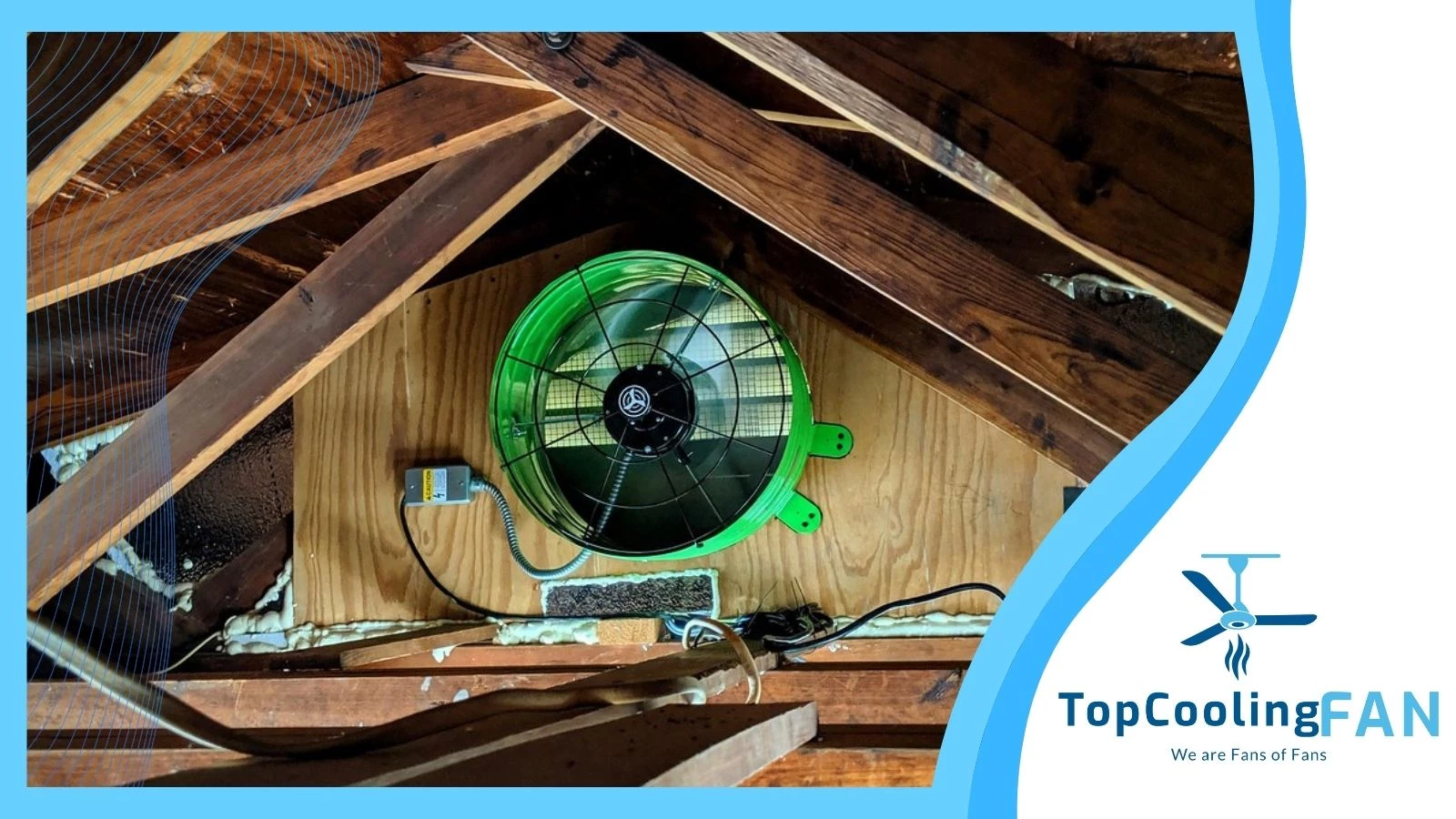
A few extra tips to keep in mind: Make sure your attic is properly ventilated. An attic fan needs to draw air from somewhere, so ensure you have adequate soffit vents (the vents under your eaves) and ridge vents (vents along the peak of your roof). Without proper ventilation, the fan won't be as effective, and you could even create negative pressure that pulls conditioned air out of your living spaces.
Consider a thermostat with a humidistat. This will allow the fan to run when humidity levels are high, even if the temperature isn't excessively hot. This is crucial for preventing moisture buildup in your attic, which can lead to mold and mildew growth.
Finally, monitor your energy bill after installing and adjusting your attic fan. This is the best way to gauge its effectiveness and fine-tune the settings for optimal performance. So, there you have it! Attic fans aren't just noisy boxes; they're powerful tools for saving energy and keeping your home comfortable. By understanding how they work and setting the temperature just right, you can unlock their full potential and enjoy a cooler, more efficient home. Happy attic fan-ing!
![What Temp to Set the Attic Fan? [Temperature Setting in Winter & Summer]](https://www.airpurelife.com/wp-content/uploads/2022/09/What-is-the-best-way-to-use-an-attic-fan-banner-1024x576.jpg)