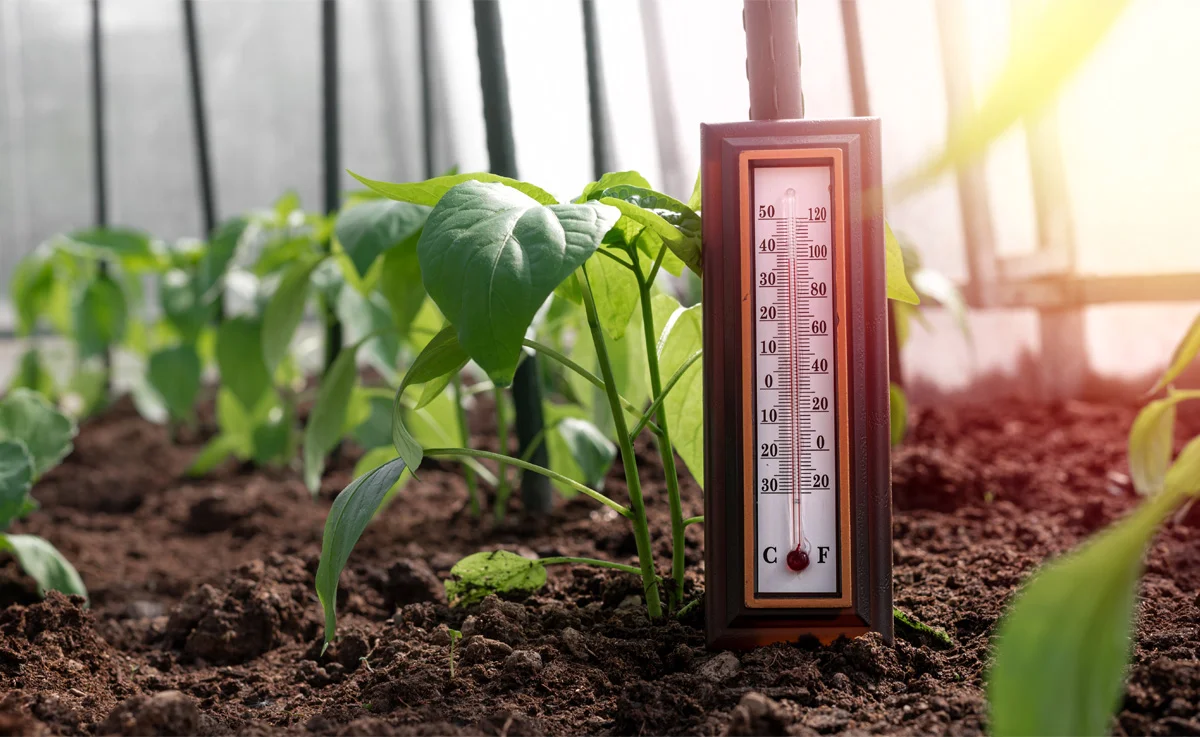
What Temperature Should A Greenhouse Be At Night
Hey there, fellow green thumb! Ever wonder what your precious plants are dreaming of when the sun dips below the horizon? Yeah, me too. Turns out, night-time greenhouse temperatures are kinda a big deal. So grab your metaphorical coffee (or maybe a real one?) and let's chat about finding that sweet spot!
What's the big fuss about nighttime temps anyway? Well, it's all about respiration, baby! Plants, just like us, breathe. During the day, they're photosynthesizing like crazy, making food from sunlight. But at night? They're busy using that food to grow, repair, and, you know, generally be awesome.
If it's too cold, they'll slow down or even freeze (duh!). Too warm, and they'll burn through all their stored energy too quickly. We don't want that, do we? We want happy, thriving plants! Think of it like this: Goldilocks and the Three Bears, but with plants and a thermometer.
Must Read
Finding the Goldilocks Zone: It Depends!
Okay, so here's the tricky part: there's no one-size-fits-all answer. Sorry to disappoint! The ideal temperature depends entirely on what you're growing. Tomatoes, for instance, are divas and generally prefer nighttime temperatures between 60-65°F (15-18°C). Any cooler, and they might pout and refuse to set fruit. And nobody wants sad, fruitless tomatoes!
Lettuce, on the other hand, is a bit more chill (pun intended!). It can handle temperatures down to 45°F (7°C) without batting an eye. Actually, cooler temps can even improve its flavor! Who knew?
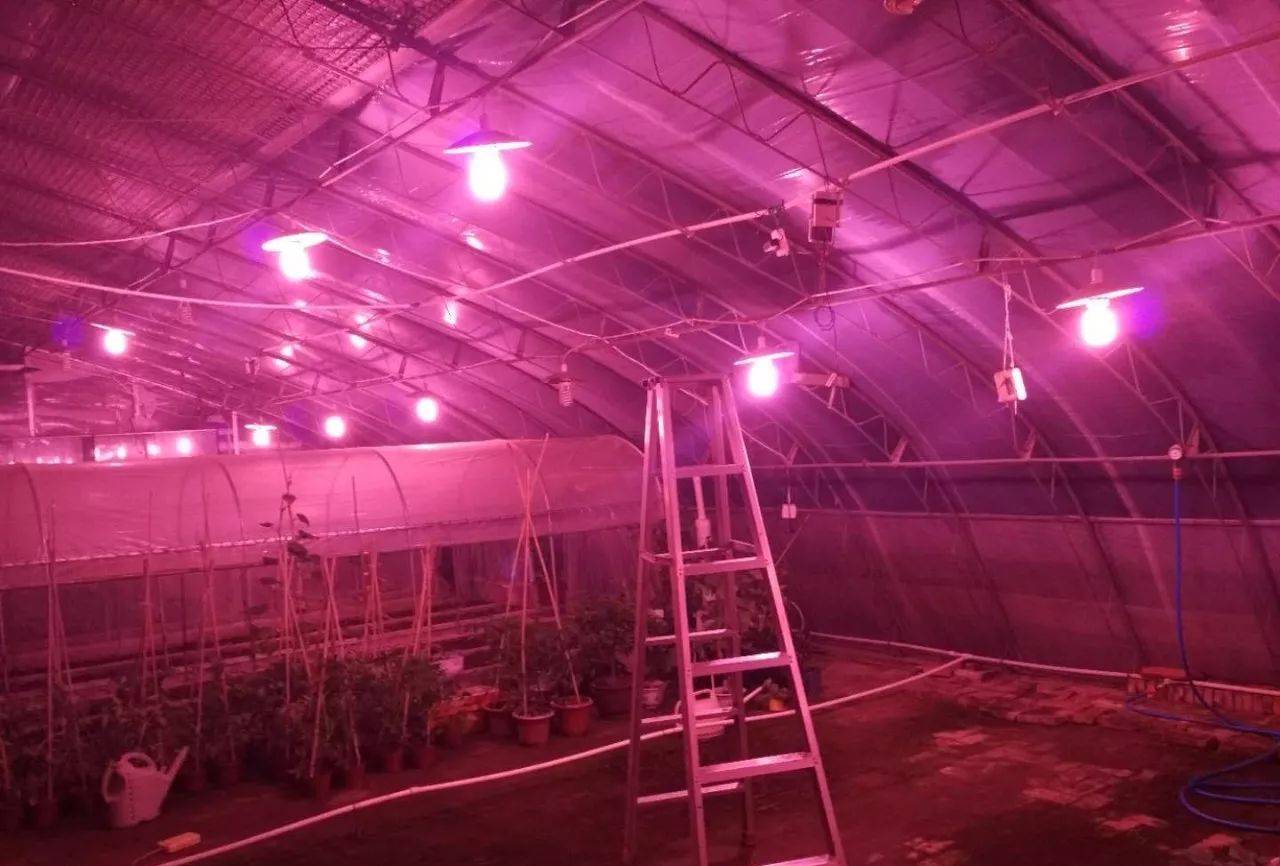
See what I mean? It's a plant-by-plant basis. Think of it as knowing your friends' preferences before planning a dinner party. Except instead of pizza toppings, it’s temperature tolerances. And instead of friends, it’s… well, you get the idea.
General Guidelines (Because Rules Are Made to Be Broken… Sometimes)
Alright, if you're feeling overwhelmed, don't panic! Here are some general guidelines to get you started:
- Cool-season crops (lettuce, spinach, kale): 40-50°F (4-10°C)
- Warm-season crops (tomatoes, peppers, cucumbers): 60-70°F (15-21°C)
- Tropical plants (orchids, bromeliads): 65-75°F (18-24°C)
These are just starting points! The most important thing is to research the specific needs of your plants. A quick Google search (or a good plant encyclopedia) will be your best friend here.
Tools of the Trade: Keeping Things Under Control
So, how do you actually control the temperature in your greenhouse at night? Glad you asked! Here are a few options:
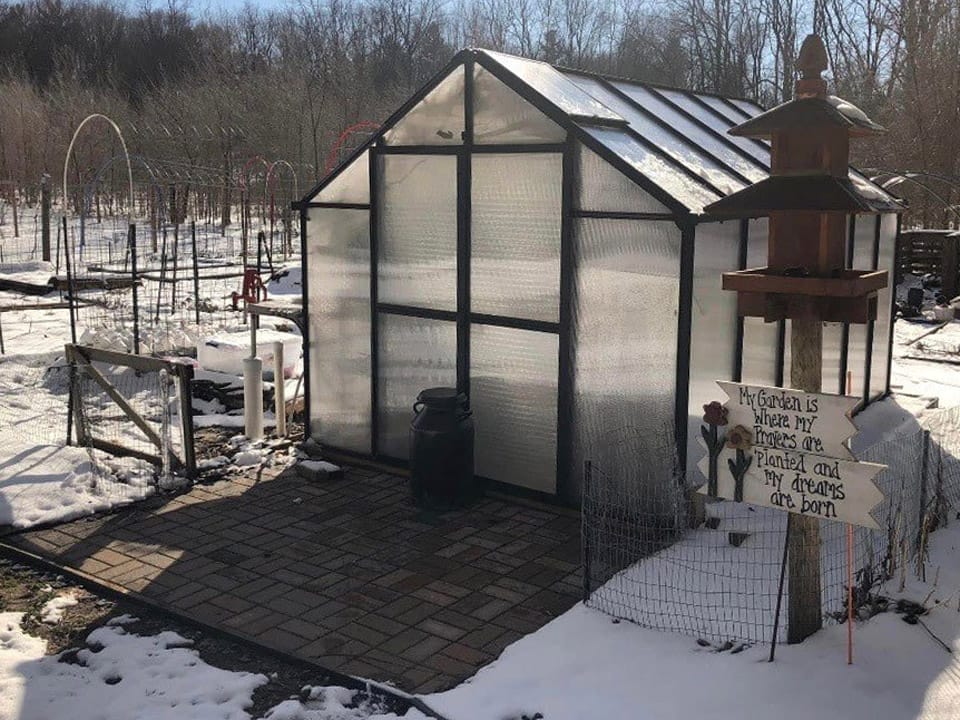
- Heaters: Obvious, right? Propane, electric, even wood-burning stoves can work. Just make sure they're properly vented! Safety first, always.
- Ventilation: Sounds counterintuitive for nighttime, but a little ventilation can help prevent condensation, which can lead to fungal diseases. Nobody wants that! Think of it as giving your plants a little midnight breeze.
- Insulation: Bubble wrap, thermal blankets, even old quilts can help trap heat inside your greenhouse. It's like giving your plants a cozy little hug.
- Thermal mass: Water barrels, brick walls, even piles of rocks can absorb heat during the day and release it slowly at night. It's like having a giant plant battery!
Experiment and see what works best for your greenhouse and your budget. Don't be afraid to get creative! After all, gardening is all about learning and adapting.
The Bottom Line? Pay attention to your plants, do your research, and don't be afraid to experiment. With a little effort, you can create the perfect nighttime environment for your leafy green friends. Happy growing!