What Temperature Should A Fridge And Freezer Be Set At
/GettyImages-533592578-57e681ce3df78c690fb17ca4.jpg)
Let's talk about refrigerators! I know, I know, it might not sound like the most exciting topic. But trust me, getting your fridge and freezer temperatures just right is like unlocking a superpower for your food. Think fresher produce, longer-lasting leftovers, and even a defense against sneaky foodborne illnesses. Who knew temperature control could be so thrilling?
So, what's the magic number? Well, for your refrigerator, you're aiming for a temperature between 37°F (3°C) and 40°F (4°C). Why this range? It's the sweet spot for slowing down bacterial growth, keeping your milk from souring before its time, and preventing your lettuce from turning into a slimy mess. Anything warmer, and you're basically throwing a party for bacteria; anything colder, and you risk freezing your delicate fruits and veggies.
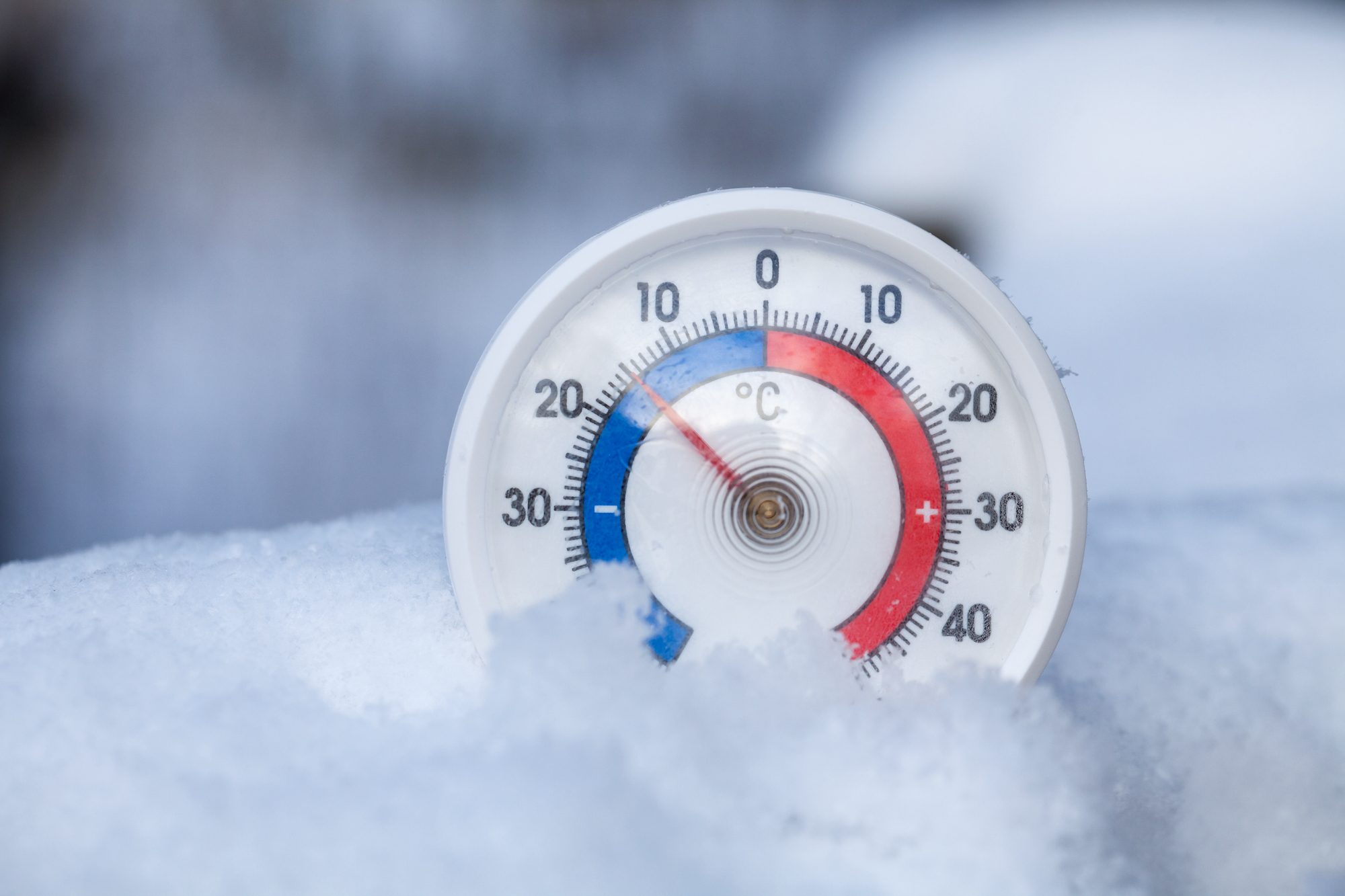
And what about your freezer? Here, you want to hit the icy mark of 0°F (-18°C). This temperature effectively stops the growth of microorganisms and keeps your food safe for extended periods. While freezing doesn't kill bacteria, it puts them in a suspended animation, preventing them from spoiling your food. Think of it as a deep sleep for unwanted food invaders!
Must Read
But why bother getting it right? The benefits are numerous! First, and most importantly, it's about food safety. Keeping your food at the correct temperatures inhibits the growth of harmful bacteria like E. coli and Salmonella, which can cause food poisoning. Nobody wants that ruining their week!
Second, it's about preserving the quality of your food. The right temperature helps maintain the texture, flavor, and nutritional value of your groceries. Wilted greens and freezer-burned meat? No thanks! A properly chilled fridge keeps fruits crisp and vegetables vibrant, while a frosty freezer preserves the taste of your favorite ice cream (and everything else!).
Third, it can save you money! By preventing spoilage, you'll throw away less food. Think about it: how many times have you tossed a bag of soggy spinach or a carton of sour milk? Keeping your fridge at the right temperature helps extend the lifespan of your groceries, reducing waste and saving you trips to the store.

How to check your temperatures? The easiest way is to use a refrigerator thermometer and a freezer thermometer. Place them in different areas of your fridge and freezer – a glass of water in the fridge can give a more accurate reading. Check them regularly, as temperatures can fluctuate depending on how often you open the door and how full your fridge is.
So there you have it! Getting your fridge and freezer temperatures right is a small change that can make a big difference in your food safety, food quality, and wallet. Now, go forth and conquer the kitchen, armed with your newfound temperature knowledge! You're now a fridge and freezer pro!