
What Temperature Is Bad For Lithium Batteries

Ever felt like your phone was having a mood swing? Maybe it was unusually slow, or the battery seemed to drain faster than a toddler escaping naptime. It might not just be you; temperature plays a big role in how your beloved lithium-ion batteries behave.
The Goldilocks Zone for Batteries
Think of your battery like a picky eater. It has a very specific temperature range where it's happy and performs its best. Just like Goldilocks searching for the perfect porridge, your battery needs conditions that are "just right".
This "just right" usually falls somewhere between 20°C and 25°C (68°F and 77°F). Anything outside of that range can cause problems.
Must Read
Too Hot to Handle
Imagine your phone left baking on the dashboard of your car on a sunny day. That's a recipe for battery disaster. High temperatures can make your battery lose capacity permanently.
It's like trying to run a marathon in the Sahara Desert – you'll quickly run out of steam and might even suffer some lasting damage. Think of it as accelerated aging; your battery will age faster than your favorite cheese.
But it's not just car dashboards. Laptops left in direct sunlight, phones used for heavy gaming on a hot day, or even charging your device under a pillow can all contribute to overheating. Your phone isn't trying to keep you warm at night, it's begging for cool air!
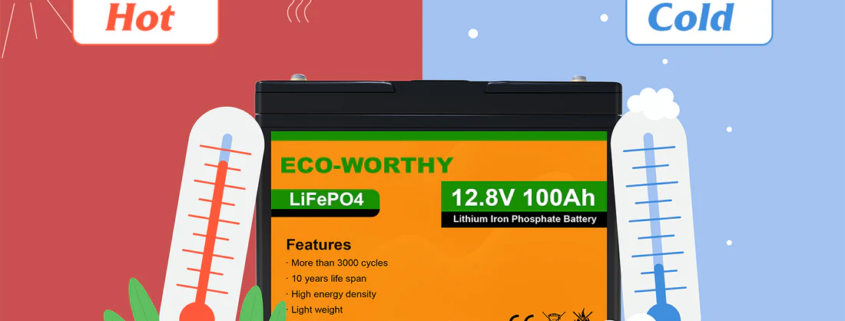
And in extreme cases, overheated lithium-ion batteries can even swell up like a pufferfish or, in very rare circumstances, cause a fire. Let's avoid that, shall we?
Freezing Your Battery's Enthusiasm
On the other end of the spectrum, extreme cold isn't a friend to lithium-ion batteries either. While it's less likely to cause permanent damage than heat, cold temperatures can significantly reduce your battery's performance.
Think of it like trying to start a car on a frigid winter morning. The engine might crank slowly, and it might take a few tries to get it going. Your battery behaves similarly – its internal processes slow down, and it delivers less power.
Ever noticed your phone dying quickly while skiing or snowboarding? That's the cold at work. The battery is struggling to maintain its voltage, and your phone might even shut down prematurely to protect itself.

It's like your battery is saying, "Nope, I'm going back to bed! Wake me up when it's warmer." While the effect is usually temporary, repeated exposure to extreme cold can shorten your battery's overall lifespan.
What You Can Do: Battery TLC
So, how can you protect your precious batteries from these temperature extremes? Here are a few simple tips:
- Avoid extreme temperatures: Don't leave your devices in direct sunlight, hot cars, or freezing conditions. If you have to, try to keep them insulated in a bag or case.
- Moderate charging: Avoid charging your devices in extremely hot or cold environments. If your phone feels hot to the touch, let it cool down before plugging it in.
- Give it a break: If you're using your device heavily, especially for gaming or video recording, give it a break every now and then to prevent overheating.
- Store properly: If you're storing a device with a lithium-ion battery for a long period, keep it in a cool, dry place at around 50% charge.
The Car Battery Conundrum
Car batteries, especially in electric vehicles (EVs), face a unique challenge. They're exposed to the elements year-round, from scorching summer heat to freezing winter blasts.

Manufacturers go to great lengths to manage the temperature of EV batteries. They use sophisticated cooling and heating systems to keep the battery pack within its optimal operating range.
These systems circulate coolant through the battery pack, either removing heat in hot weather or adding heat in cold weather. It's like a built-in thermostat for your battery.
The Future is Temperature-Smart
Battery technology is constantly evolving. Researchers are developing new battery chemistries and designs that are more resistant to temperature extremes.
Solid-state batteries, for example, are showing promise as a more stable and temperature-tolerant alternative to traditional lithium-ion batteries. Imagine a battery that laughs in the face of scorching heat or bone-chilling cold!
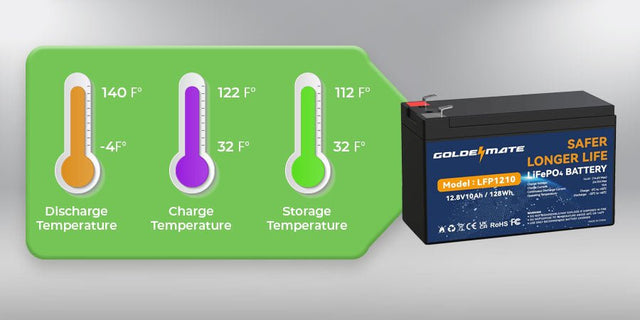
In the meantime, a little bit of awareness and care can go a long way in extending the life of your lithium-ion batteries. So, treat them kindly, and they'll keep your devices powered up for years to come.
A Final Thought: Common Sense Prevails
Ultimately, protecting your batteries from temperature extremes comes down to common sense. If you're uncomfortable in a certain environment, chances are your battery is too.
A little bit of prevention can save you from frustrating battery issues and potentially costly replacements. So, be mindful of the temperature, and your batteries will thank you for it with long-lasting performance.
And remember, a happy battery is a happy device. And a happy device means a happy you!