What Temp Should Your House Be In The Summer

Ah, summer! The season of sunshine, barbecues, and… agonizing over the thermostat. We all love the idea of summer – long days spent outdoors, soaking up the vitamin D. But when you retreat inside, the goal shifts: creating a cool, comfortable oasis away from the sweltering heat. Getting your indoor temperature just right is a summer superpower, allowing you to truly relax and enjoy your time indoors, whether you're binge-watching your favorite shows, catching up on reading, or simply escaping the heatwave.
But why is the right temperature so important? It's more than just comfort. Maintaining a reasonable indoor temperature offers a plethora of benefits. Firstly, it directly impacts your sleep quality. A cooler room facilitates better sleep, allowing your body to naturally cool down and enter a deeper, more restorative sleep cycle. Secondly, it impacts your health. Excessively hot indoor temperatures can lead to dehydration, heat exhaustion, and even heatstroke, especially for vulnerable populations like the elderly and young children. Thirdly, it affects your productivity. Trying to concentrate or work in a stuffy, overheated environment is a recipe for frustration and inefficiency. Finally, let's not forget the impact on your energy bill! Finding the sweet spot between comfort and energy conservation is key to keeping your costs down.
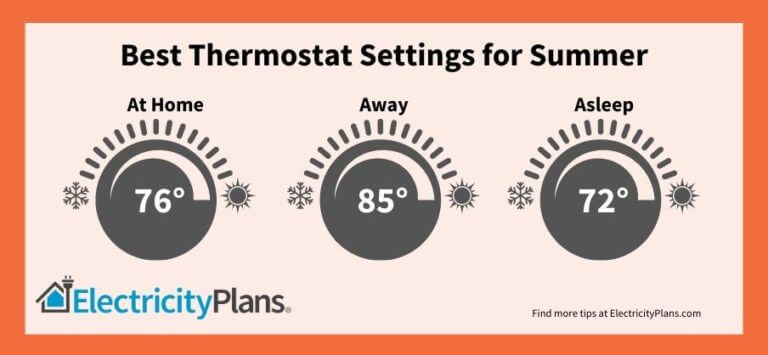
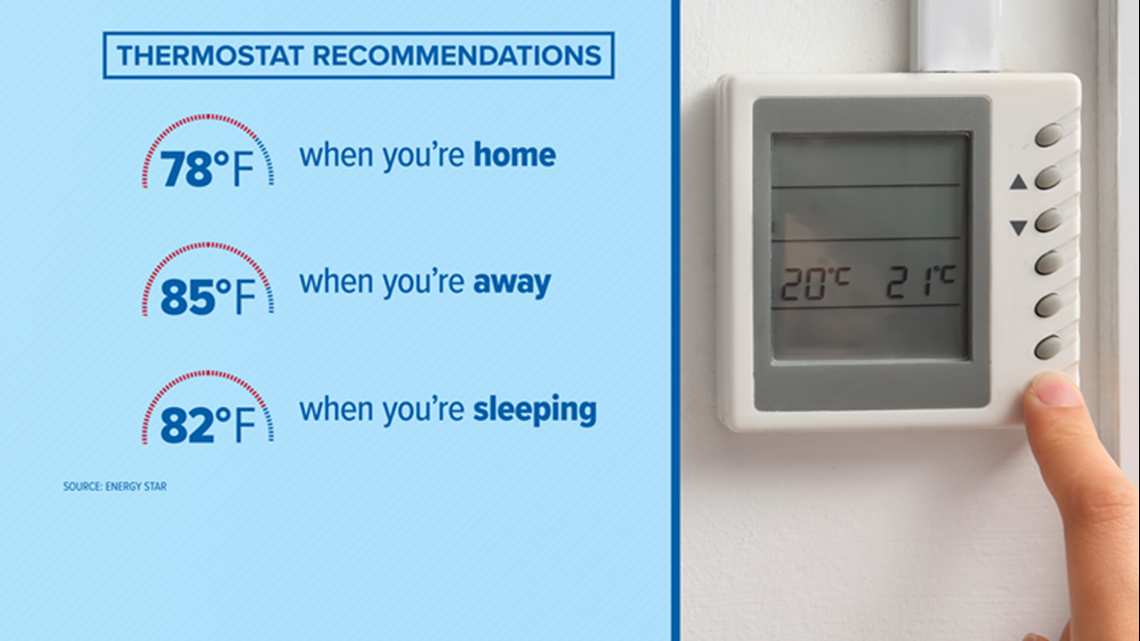
So, what’s the magic number? While personal preference plays a significant role, the U.S. Department of Energy recommends setting your thermostat to 78°F (26°C) when you're home. This is generally considered a good balance between comfort and energy savings. Of course, this can be adjusted based on your individual needs. Some people prefer a slightly cooler temperature, while others are comfortable with it a bit warmer. A common example is setting your thermostat to a slightly warmer temperature, like 82°F (28°C), when you're away from home for extended periods. Many modern thermostats allow you to program different temperatures for different times of the day, automating the process and maximizing energy efficiency. Another practical application is using fans in conjunction with your air conditioner. Ceiling fans and portable fans can help circulate the air, making a room feel cooler even at a higher thermostat setting.
Must Read
Want to make the most of your summer cooling strategy? Here are a few practical tips. First, insulate your home properly. Good insulation helps to keep the heat out and the cool air in. Second, use window coverings strategically. Close blinds and curtains during the hottest part of the day to block out direct sunlight. Third, maintain your air conditioner. Regularly change the air filter to ensure optimal performance. Fourth, avoid using heat-generating appliances during the hottest part of the day. Cooking a large meal in the oven or running the dryer can significantly increase the temperature in your home. Consider grilling outdoors or using the microwave instead. Fifth, dress appropriately. Wear light, breathable clothing to help your body stay cool. Finally, experiment! Find the temperature that works best for you and your household, and don't be afraid to adjust it based on the weather and your activity level. Remember, creating a comfortable and energy-efficient summer haven is a journey, not a destination!