What Temp Should The Heat Be On

Ever walked into a room and thought, "Is it just me, or is it a bit chilly/toasty in here?" Or perhaps you’ve had a friendly (or not-so-friendly) debate with a housemate about who keeps touching the thermostat? If so, you’re already dabbling in the fascinating, often debated, and surprisingly impactful world of heating temperatures. It might sound mundane, but figuring out what temp the heat should be on is a delightful mix of science, comfort, personal preference, and even economics. It’s a tiny dial that holds a lot of power, influencing your mood, your wallet, and even the planet!
The primary purpose of setting your heat is, of course, to keep you and your home comfortably warm during colder months. But the benefits stretch far beyond mere coziness. Getting it right can lead to significant energy savings, preventing that dreaded high utility bill shock. It’s a wonderful example of how small adjustments in daily life can have a big impact. A well-regulated temperature also contributes to a healthier indoor environment, reducing the risk of respiratory issues from overly dry air or dampness from fluctuating extremes. For your home itself, consistent heating helps prevent pipes from freezing and maintains structural integrity by managing humidity levels, ensuring your living space stays in top shape.
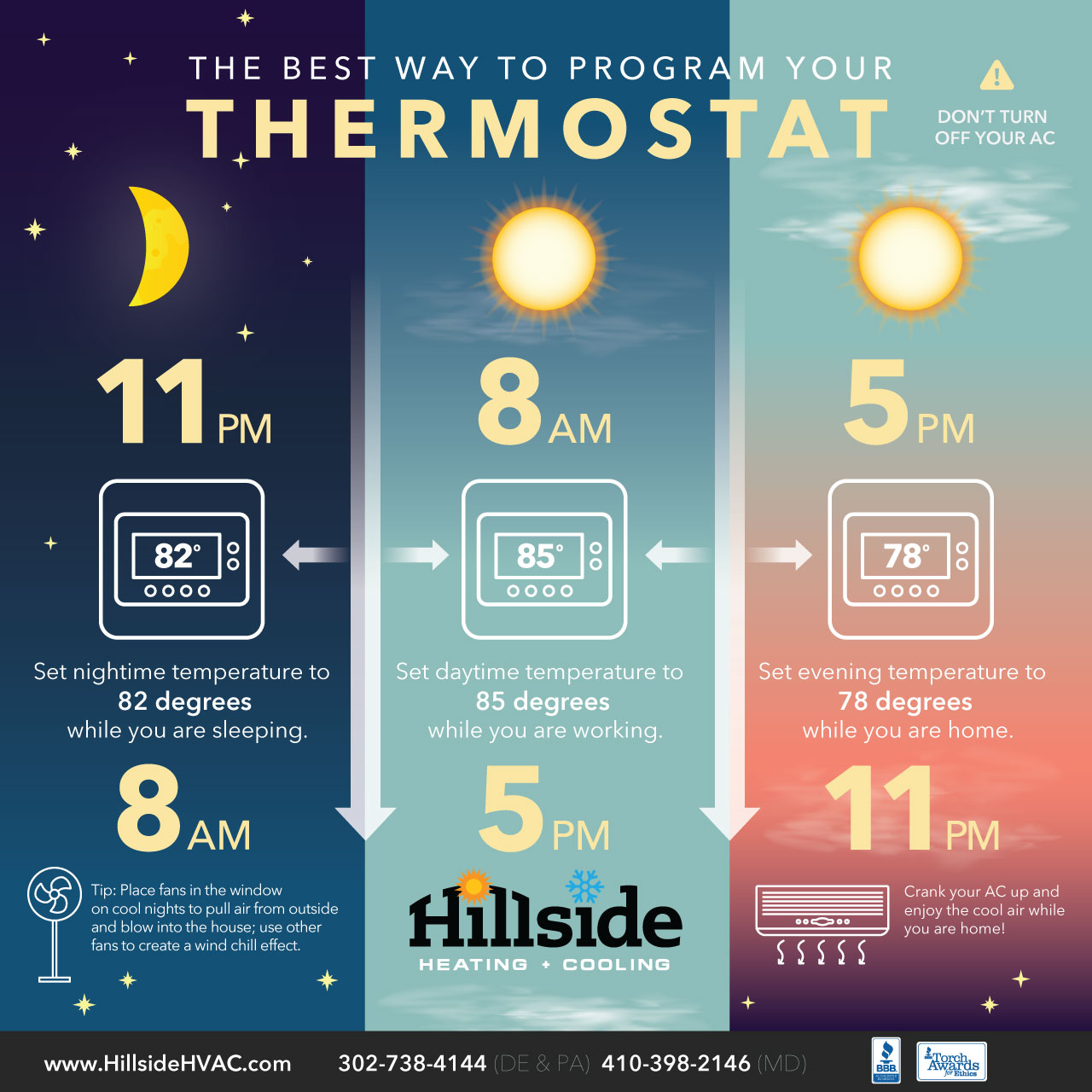
You can see the implications of this topic everywhere, from the simplest daily decision to broader educational contexts. In daily life, it’s about adjusting the thermostat before bed for optimal sleep (often cooler!), or setting a lower temperature when you’re out for the day to save energy without letting your pipes freeze. Schools and offices often have guidelines or automated systems, teaching us about the balance between universal comfort and energy efficiency. It’s a practical lesson in physics and economics when you learn that every degree you lower your thermostat can save you a percentage on your heating bill. Even understanding the basics of insulation, window sealing, and smart home technology ties directly into the art of maintaining your ideal indoor climate.
Must Read
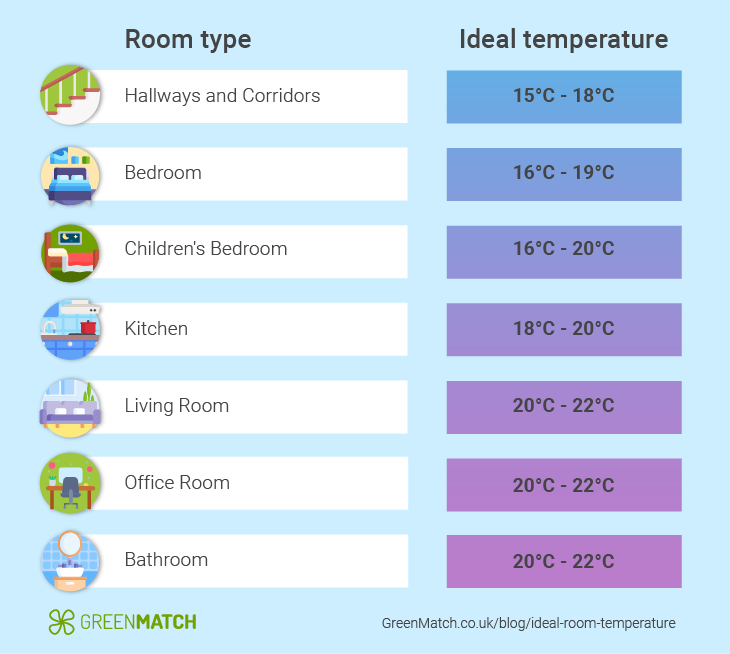
Ready to explore your own heating sweet spot? It’s easier than you think! Start by experimenting: try setting your thermostat a degree lower than usual for a day or two and see if you notice a difference in comfort or your energy usage. Consider investing in an inexpensive indoor thermometer if your thermostat doesn't show the current room temperature, giving you a better sense of what feels right versus the numerical setting. Another simple tip is to layer up with a cozy sweater or blanket before cranking up the heat – sometimes personal warmth is more efficient than heating the entire house. Research local energy company recommendations; many suggest a daytime temperature around 68°F (20°C) and slightly lower at night or when you’re away. Ultimately, finding your ideal temperature is a personal journey of comfort and consciousness, one cozy degree at a time!