
What Temp Should My House Be
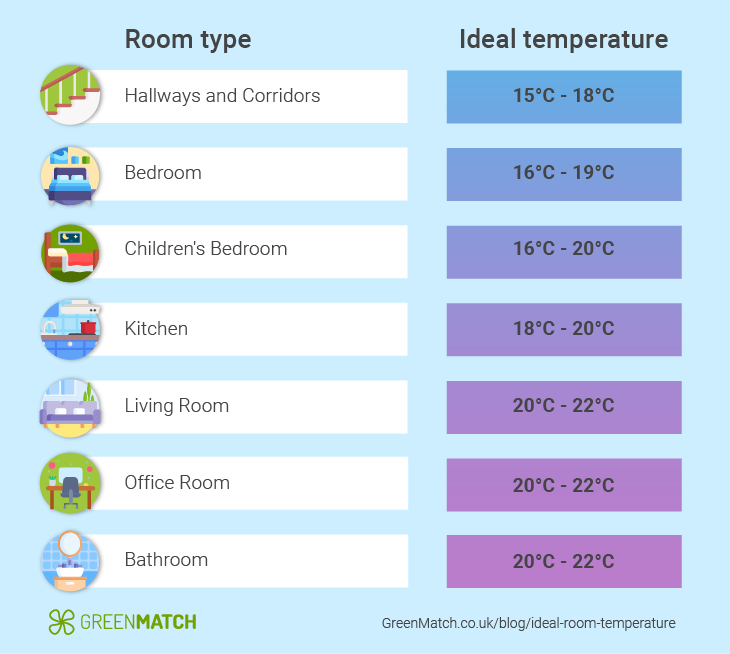
Ever walked into a house and thought, "Whoa, is it a tropical paradise in here, or an arctic expedition?" Or maybe you’ve had that classic thermostat showdown with a family member or roommate? You know, the one where one person is sweating through their shirt while the other is bundled in a hoodie? Yeah, you’re not alone. The question of "What temperature should my house be?" is surprisingly complex, wonderfully personal, and honestly, a little bit fascinating once you dig into it.
Why Is This Even a Question?
You’d think there’d be a simple, universally agreed-upon number, right? Like, "Your house should be 72°F. Period." But alas, humanity is far too diverse for such a straightforward answer. Our ideal home temperature is a beautiful, messy blend of science, psychology, economics, and just plain old personal preference. It's less about a rigid rule and more about finding your home's happy place.
It's All About You (and Your Vibe)
Let's be real: the most significant factor is your comfort. What feels good to you? Do you thrive in a slightly cooler, crisp environment, like a perfectly chilled glass of water? Or do you prefer a cozy warmth that feels like a hug from your favorite blanket? There’s no wrong answer here! Your personal comfort zone is like your unique fingerprint – it’s yours and yours alone. Listen to your body; it's usually giving you pretty good clues.
Must Read
The Great Seasonal Shift
Just as you wouldn't wear a heavy winter coat to the beach in July, your house's temperature likely shifts with the seasons. In the sweltering heat of summer, cranking the AC down to 60°F might feel amazing for a second, but it's probably not sustainable (or wallet-friendly). Instead, many folks aim for a temperature that offers relief from the heat outside, often in the mid-to-high 70s. In winter, when the outside world is a frosty wonderland, a warmer indoor temperature – maybe low 70s or high 60s – feels like a warm embrace. It’s all about creating a pleasant contrast!
Sleeping Beauty vs. Waking Warrior
Ever noticed how much better you sleep in a cool room? Science backs this up! Our bodies naturally cool down to prepare for sleep. So, while you might like your home at 72°F during the day when you’re bustling around, dropping it a few degrees (say, to 65-68°F) at night can significantly improve your sleep quality. Think of it as creating a personal climate zone for your slumber – like having a special, cooler cave just for dreaming.
Your Wallet's Best Friend: Energy Efficiency
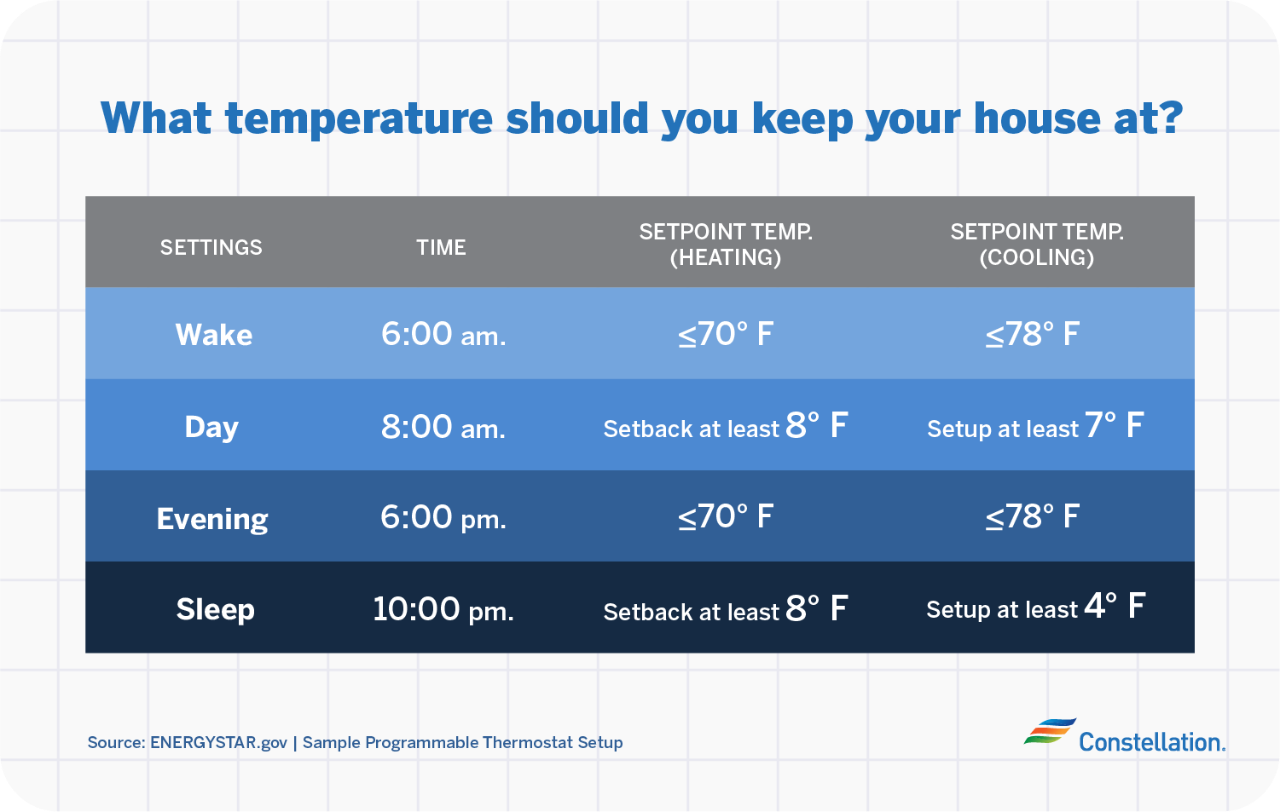
Okay, let's talk brass tacks: cost. Every degree you adjust your thermostat can impact your energy bill. The U.S. Department of Energy, for example, suggests setting your thermostat to 78°F in summer and 68°F in winter when you're home, and adjusting it by 7-10°F when you’re away or asleep. Why? Because these are generally considered the most energy-efficient set points that still provide reasonable comfort. It's like finding the sweet spot where you're comfortable but not asking your HVAC system to run a marathon every day. A smart thermostat, by the way, can be your ultimate wingman here, learning your habits and saving you some serious cash!
Beyond Comfort: Health & Home
Sometimes, the ideal temperature isn't just about what feels good. Factors like humidity play a huge role in comfort, often making a 75°F room feel drastically different depending on whether it's bone dry or sticky. For those with allergies or respiratory issues, maintaining a consistent temperature and humidity level can be crucial. And if you have little ones, seniors, or even pets in the house, their comfort and health might nudge your ideal temperature one way or another. A baby, for instance, might need a slightly warmer room than a robust teenager.
So, What's the "Standard" Starting Point?
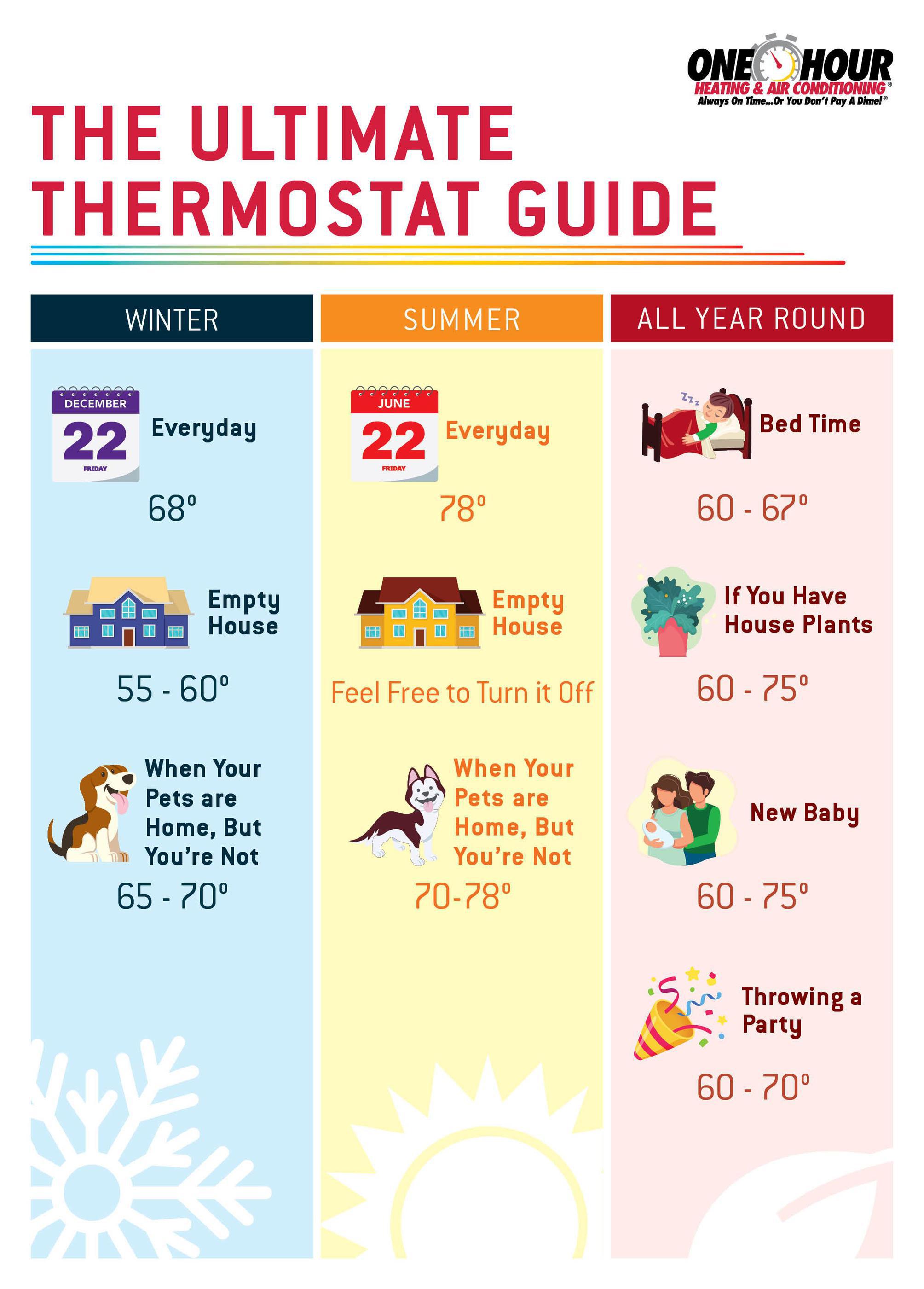
While there's no single perfect number, here are some widely accepted ranges that many people find comfortable and relatively energy-efficient:
- Summer (Daytime): 75-78°F (24-26°C)
- Winter (Daytime): 68-72°F (20-22°C)
- Nighttime/Away: 65-68°F (18-20°C)
Think of these as guidelines, not gospel. They’re great places to start your own personal temperature quest.
Finding Your Personal Goldilocks Zone
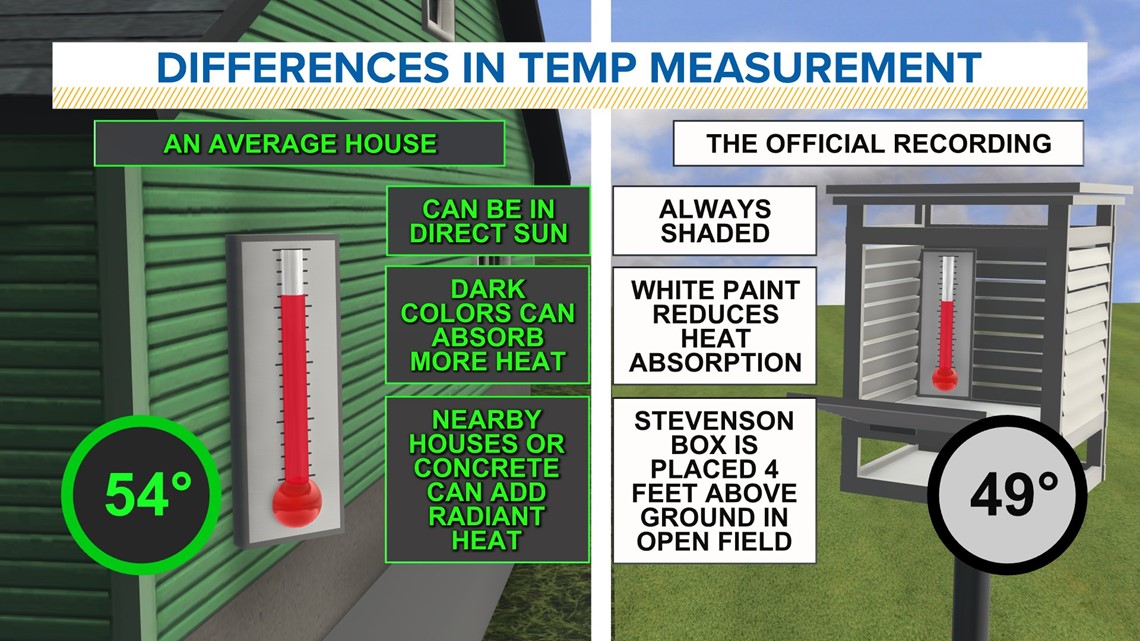
The best way to figure out your house's "just right" temperature? Experiment! Try adjusting your thermostat by a degree or two each day. Pay attention to how you feel. Are you reaching for a sweater or fanning yourself? Consider factors like what you’re wearing (dressing appropriately for the season indoors can save energy too!) and what activities you’re doing. Is the sun shining directly into a room, making it feel warmer? All these little nuances contribute to the overall feel.
The Takeaway: Enjoy the Experiment!
Ultimately, your ideal home temperature is an evolving journey, not a fixed destination. It's a fascinating blend of personal preference, energy smarts, and comfort science. So, go ahead, play around with your thermostat (respectfully, of course, if you share your space!). Listen to your body, observe your environment, and enjoy the process of discovering what truly makes your home feel like your perfect sanctuary. Happy temp-hunting!
