What Temp Should Heater Be On
Ah, the age-old question that has launched a thousand family debates and probably a few frosty glares across the living room: What temp should the heater be on? It’s like trying to find the perfect level of spice in a chili – too much, and you’re sweating buckets; too little, and you might as well be eating lukewarm soup. We’ve all been there, right?
You walk in, shivering. The house feels like an igloo, and your first instinct is to crank that thermostat to "tropical paradise." Full blast! You dream of lounging in a t-shirt as snow falls. Hours later, though, you’re peeling off layers, the dog is panting, and your living room is a sauna. Then comes the inevitable dread of the energy bill, lurking like a very expensive ninja.
The Great Thermostat Tug-of-War
Let's be real, the thermostat isn't just a device; it's often the centerpiece of a delicate domestic negotiation. You prefer a cozy 72°F (around 22°C), while your significant other feels perfectly content at a brisk 68°F (about 20°C). Your teenager, meanwhile, might have opened their window for "fresh air" and forgotten it, heating the neighborhood. It's a classic battle: one melting, the other freezing. Ever sneakily adjust it one degree, only to hear, "Hey, did you just touch the thermostat?" from the other room? You can't win 'em all!
Must Read
Finding Your Goldilocks Zone
So, what’s the secret sauce? The universally perfect temperature? Spoiler alert: there isn't one. It’s like finding the perfect pair of jeans – what works for one, feels wrong for another. But there are some generally accepted "sweet spots" most people hover around.
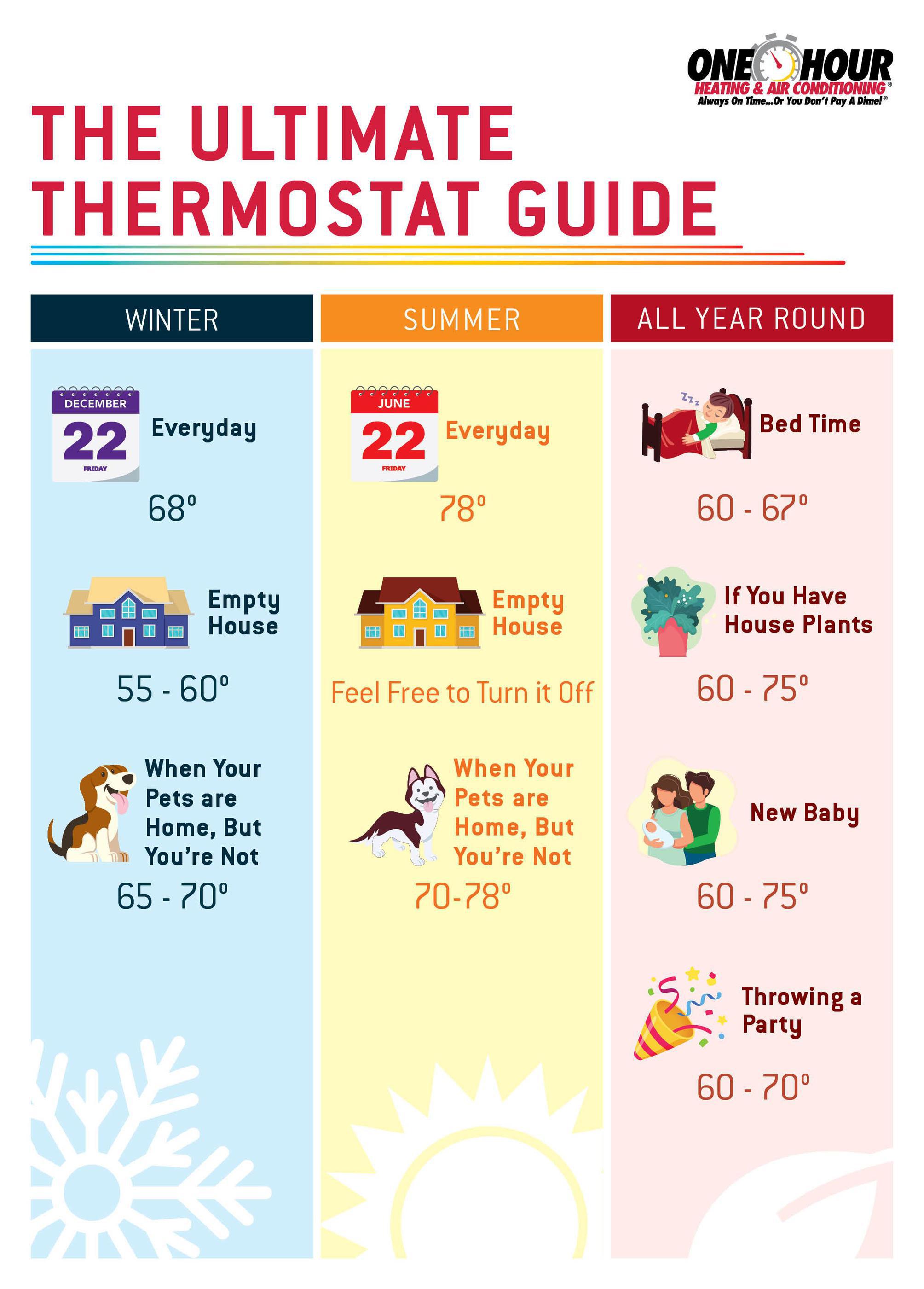
Most experts suggest aiming for between 68°F and 72°F (20°C to 22°C) when you're home and awake. This range is usually comfortable enough to keep you from shivering, but not so high you feel like you're on a summer vacation. Think Goldilocks: not too hot, not too cold, but just right.
When you're snoozing, many recommend dialing it down a few degrees, perhaps to around 60-65°F (16-18°C). Why? Cooler temperatures can lead to better sleep, and you're under blankets anyway. Plus, it saves pennies while you're dreaming!
The Energy Bill Elephant in the Room
Let's talk about the elephant in the room: the energy bill. Every degree you push that thermostat up can make a noticeable difference to your wallet. It's not just a number; it's a direct connection to how much you're shelling out. If you consistently set your thermostat really high, say 75°F (24°C) or above, you're telling your heater to work overtime. It's like asking a marathon runner to sprint the entire race – they'll do it, but at what cost?
Smart Tips (and a Little Common Sense)
- Layers are your friends: Before you touch that thermostat, try a cozy sweater or thick socks. It sounds obvious, but it's your personal, portable heating system.
- Embrace the sun: During the day, open those curtains on south-facing windows. Let that glorious sunshine do some of the heavy lifting. Free heat!
- Seal the deal: Drafts are notorious heat thieves. Check windows and doors for sneaky gaps. A little caulk or weatherstripping makes a surprising difference – like a warm blanket for your house.
- Programmable thermostats are heroes: If you're out for long stretches, a programmable thermostat automatically lowers the temperature and warms it back up before you arrive. It’s like having a butler for your home climate.
Ultimately, the "perfect" temperature is a deeply personal choice, influenced by everything from your metabolism to your insulation, and yes, even your household's internal politics. It's a continuous calibration, a gentle dance between comfort, cost, and common sense. So, find your sweet spot, enjoy the warmth, and try not to start a family feud over one single degree. Happy heating!