We all know cats love a good nap, and most of the time, those naps happen in the warmest, coziest spots they can find. Think sunbeams, fresh laundry, or right on top of your laptop! But have you ever wondered, "What temperature is actually too cold for my feline friend?" It's a great question, and understanding your cat's comfort can make them even happier and healthier.
Cats, by nature, are creatures that prefer warmth. Their ancestors came from desert climates, so they're pretty good at soaking up the heat. When your house feels just right to you, say around 70-75 degrees Fahrenheit (21-24 degrees Celsius), your cat is probably feeling purr-fectly content. This is their sweet spot for stretching out and relaxing.
Spotting a Chilly Kitty
How can you tell if your furry pal is feeling a bit nippy? Cats are masters of subtle communication, but there are clear signs if you know what to look for. One of the most common is when they start to curl up tightly. They'll tuck their paws, wrap their tail around themselves, and make themselves as small as possible. This pose helps them save body heat.
If your cat is constantly seeking out the warmest spots – burrowing under blankets, hogging the heating vent, or even snuggling extra close to you – it's a good hint they're feeling the chill.
You might also notice them trying to get off the cold floor, jumping onto furniture or into beds. In more serious cases, a very cold cat might even shiver, just like humans do. This is a sign they are actively trying to generate heat and it means they are quite uncomfortable.
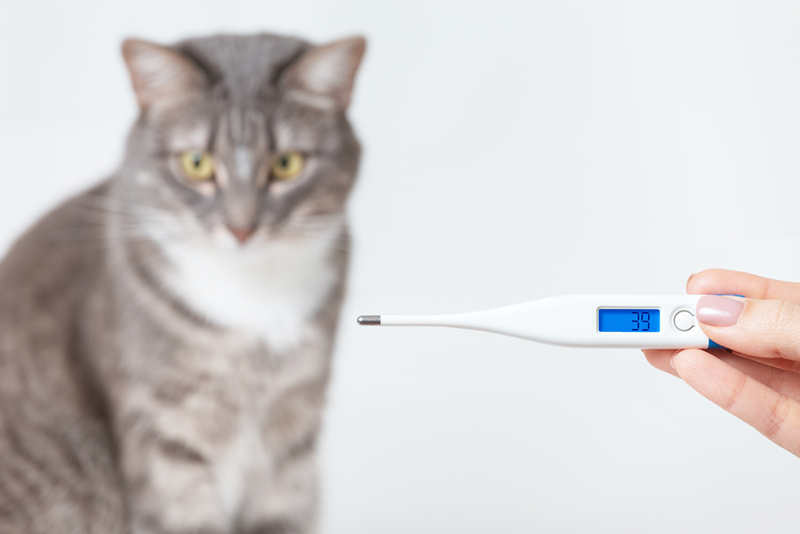
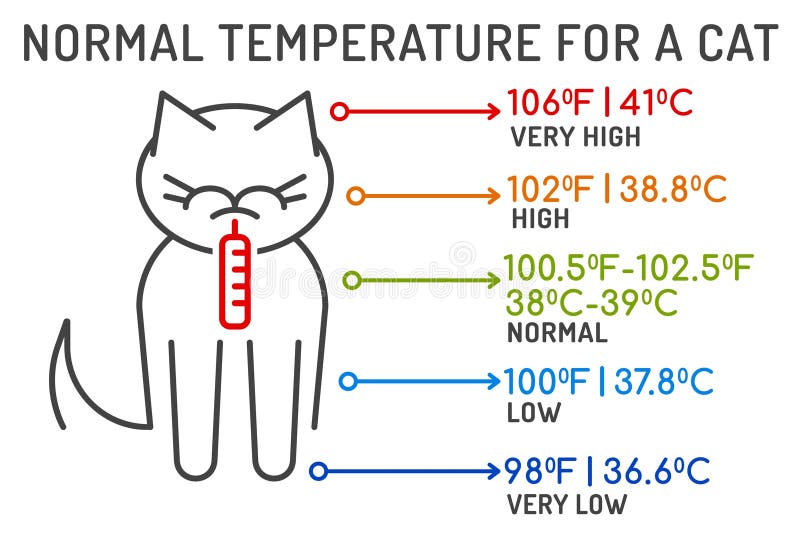
Cat Temperature: Our Vet Explains What Is Too High, Low & How to Take
Who Feels the Cold Most?
Not all cats are created equal when it comes to chilly weather. Some felines are more sensitive to lower temperatures than others. For example, hairless breeds like the Sphynx cat need extra warmth. They don't have that lovely fur coat to insulate them, so a sweater or a heated bed isn't just a fashion statement for them; it's a necessity!
Kittens and senior cats are also more vulnerable. Kittens haven't fully developed their ability to regulate body temperature. Older cats might have health issues that make them less able to cope with the cold. Like human babies or elderly people, they need extra protection from the elements. Cats with certain health conditions, like arthritis or thyroid problems, might also feel the cold more intensely.
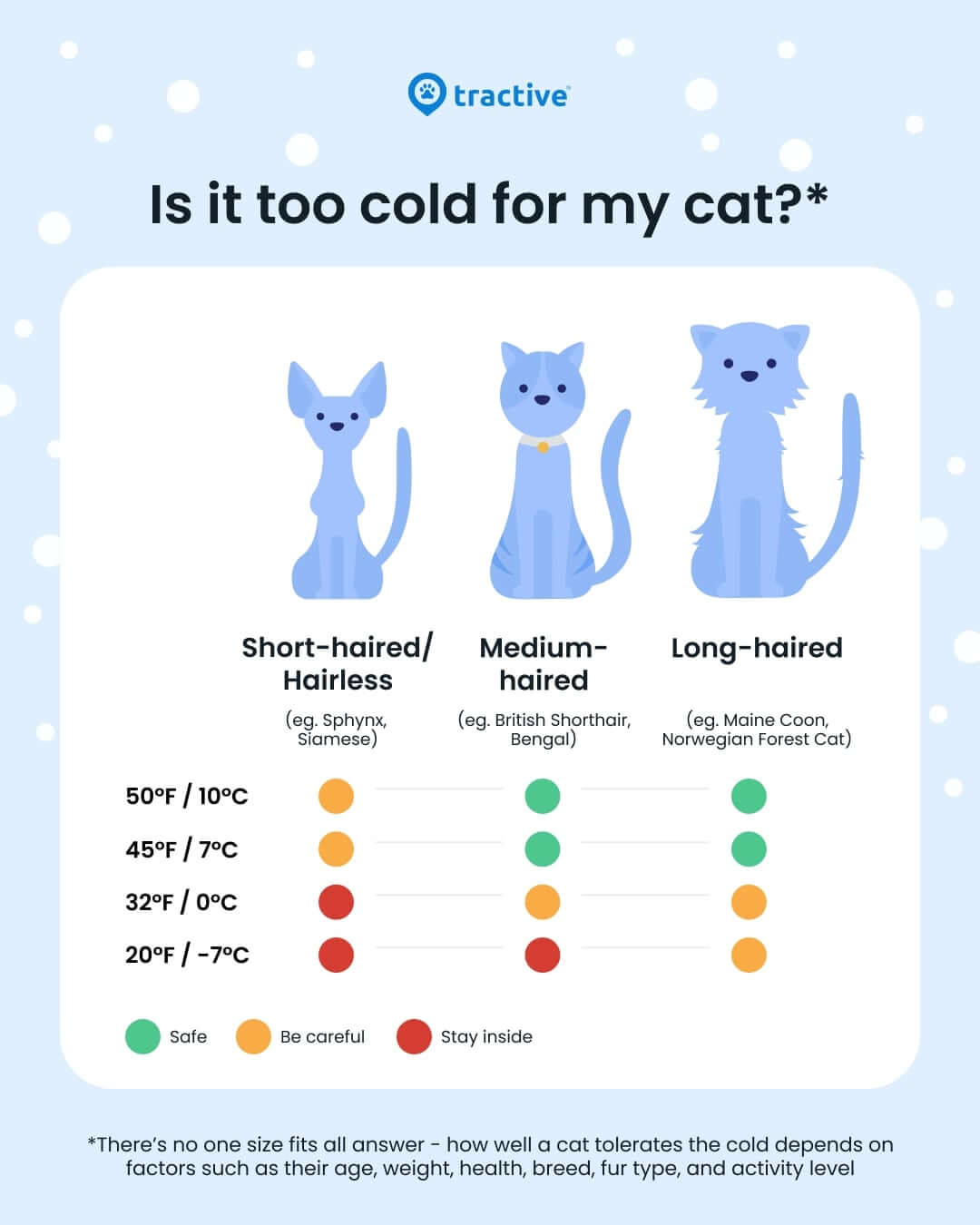
Even a cat's size and fur length play a part. A chunky, long-haired Maine Coon tolerates cooler temps better than a slender, short-haired Siamese, thanks to natural insulation.
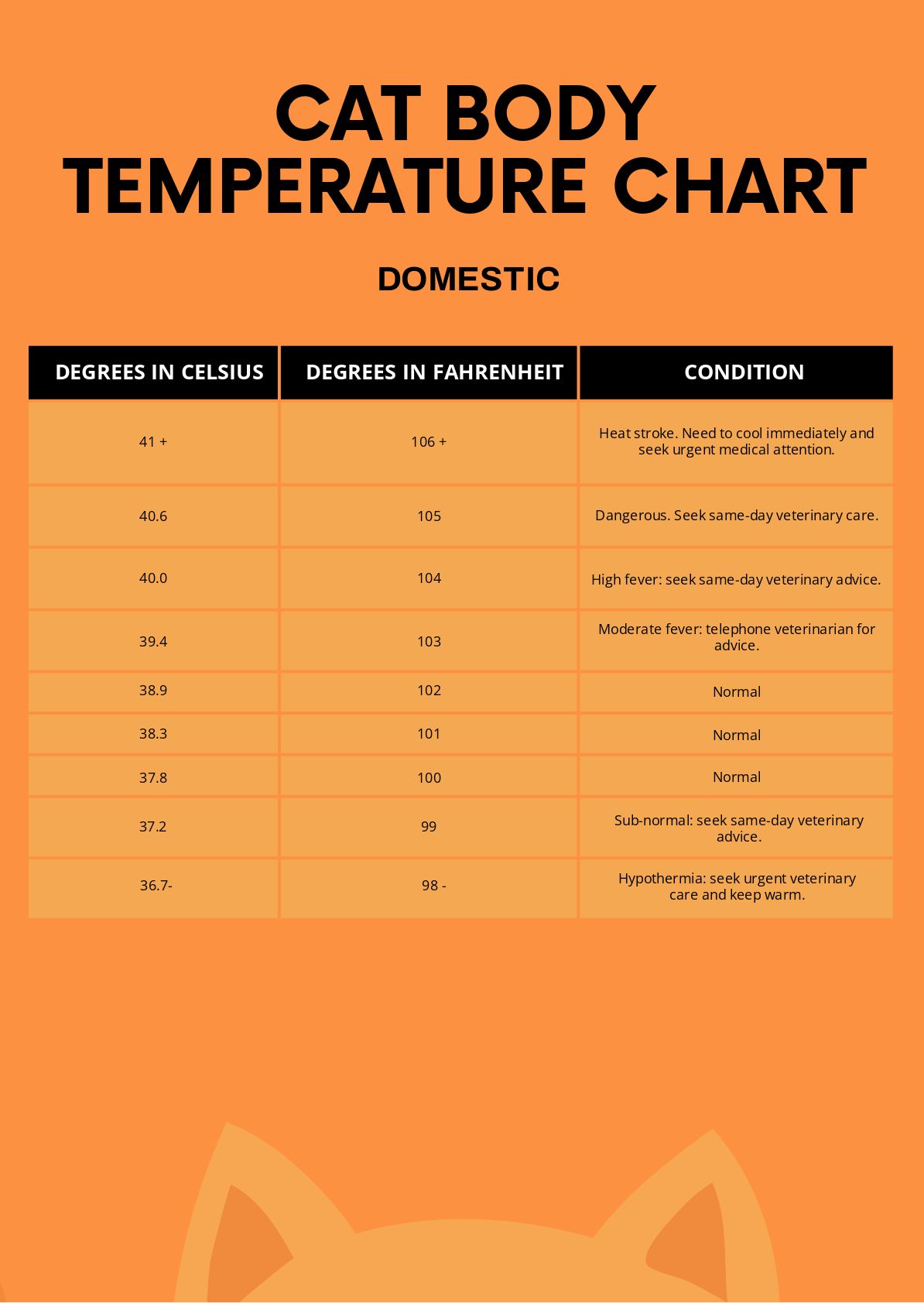
Free Body Temperature Chart Templates, Editable and Printable
When Does It Get Too Cold?
Generally, for healthy adult cats, temperatures below 45 degrees Fahrenheit (7 degrees Celsius) can start to become a concern if they are exposed for long periods. Below 32 degrees Fahrenheit (0 degrees Celsius), the risk of conditions like hypothermia or frostbite increases significantly, especially for vulnerable cats or those not used to being outdoors.
These are just guidelines. An indoor cat, for instance, might find 50 degrees uncomfortable, while a barn cat accustomed to it might be fine. However, it's always best to err on the side of caution and provide warmth.
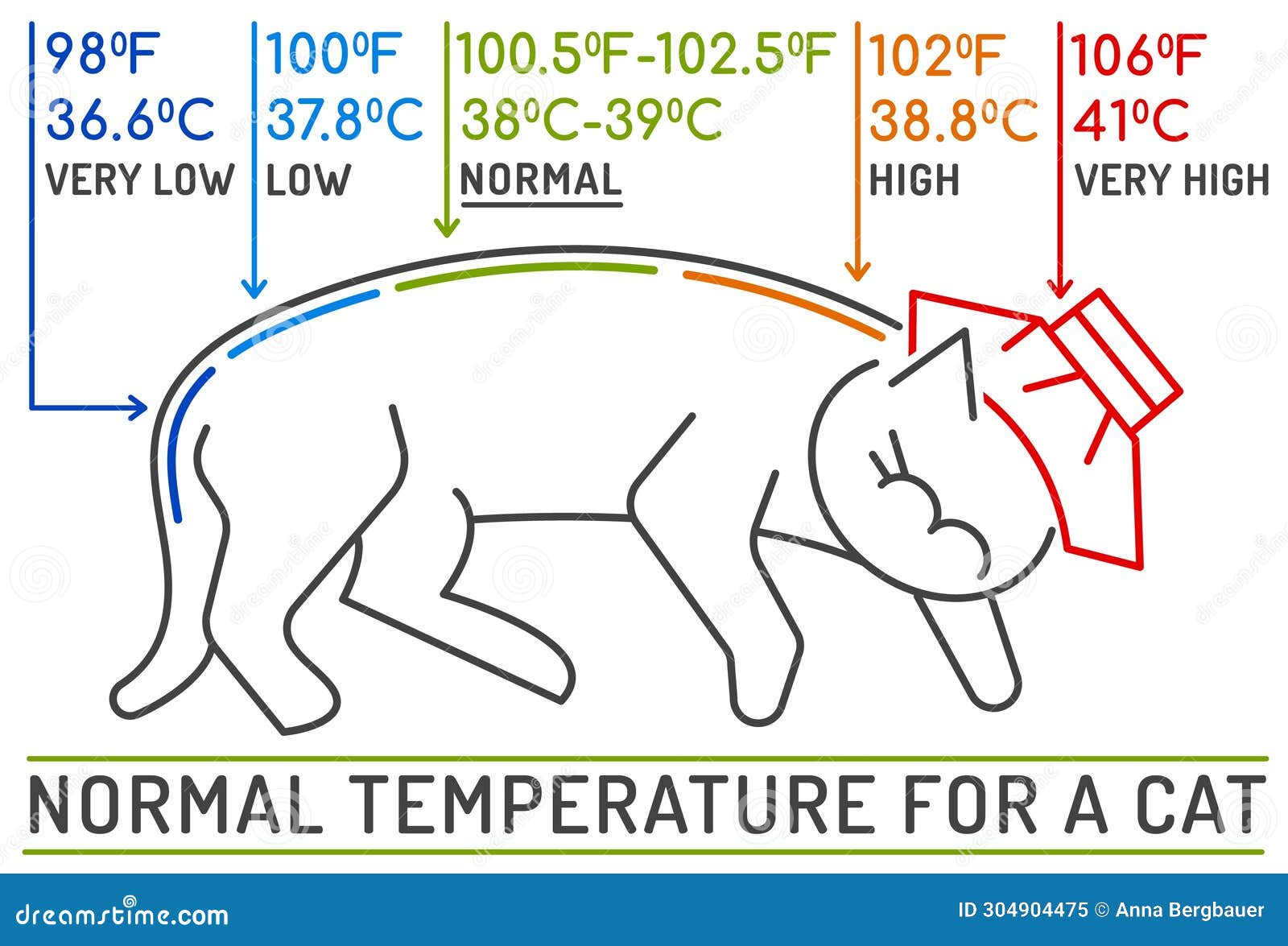
How To Tell Cat Temperature at Larry Childs blog
Keeping Your Cat Cozy
Making sure your cat stays warm and snug is often quite simple and delightful. Providing a variety of warm sleeping spots is key: a soft blanket on the sofa, a cozy cat bed, or even a specialized heated cat bed. Many cats adore these, as they provide gentle, consistent warmth, mimicking snuggling up to another cat.
Ensure your cat has access to elevated spots, away from cold drafts. Closing windows tightly and blocking any obvious drafts can make a big difference. For those hairless or very short-haired cats, a cute and practical cat sweater can be a real lifesaver, keeping them toasty and stylish at the same time.
The best way to know if your cat is warm enough is to observe their behavior. A happy, comfortable cat will be relaxed, playful, and likely stretching out rather than huddling.
How To Know If Your Cat Has Temperature at Kevin Blankenship blog
Proper nutrition is important, too! A well-fed cat has more energy to produce body heat. Also, ensure their water bowl won't freeze in very low temperatures, especially if they have an outdoor enclosure.
Listen to Your Cat
Ultimately, your cat is the best judge of their own comfort. Pay attention to their cues. If they're always trying to sneak under your covers, or if they seem less active and a bit withdrawn when the house feels chilly, it’s a good sign they need more warmth. Creating a warm, safe environment for your cat isn't just about avoiding extreme cold; it's about providing them with the comfort and security they deserve.
So next time you see your cat napping in that perfect sunbeam, you'll know exactly why they chose that spot. And you'll have all the tips to ensure they stay warm and content, no matter what the thermostat says!