What Temp Does Solder Melt At

Ever tinkered with a broken gadget, dreamed of building your own circuit, or just wondered how all those tiny wires connect in your electronics? If so, you've probably stumbled upon the magical world of soldering. It's a fundamental skill, and at its heart lies a surprisingly simple yet crucial question: what temp does solder melt at? It might sound super technical, but trust me, understanding this little detail is like unlocking a secret superpower for fixing, creating, and generally being awesome at DIY.
Why is this topic so fun and useful? Well, for the absolute beginner, grasping solder's melting point is your first step to making connections that actually work. No more cold, crumbly joints! For families, it’s an amazing way to learn about electronics together, maybe even fixing a beloved toy or building a simple LED light. Imagine the satisfaction of bringing something back to life or creating something new with your own hands. And for the seasoned hobbyist, knowing your solder temperatures means choosing the right material for the job, ensuring longevity and reliability for everything from intricate circuit boards to robust electrical wiring. It's all about making sure your projects are strong, safe, and successful.
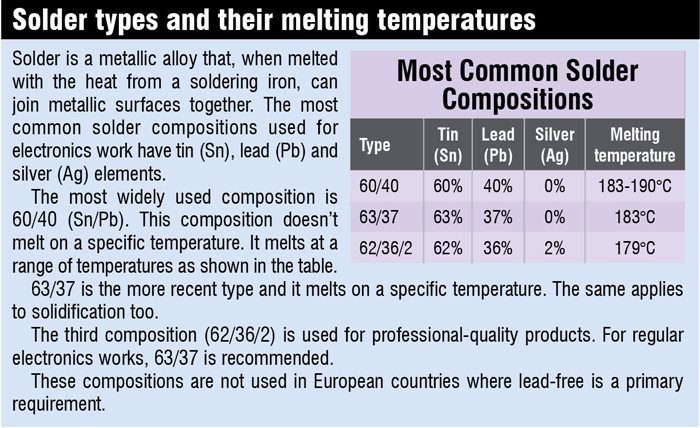
Now, here's where it gets interesting: there isn't just one magic number! The melting point of solder actually varies depending on its composition. The classic, old-school solder, often a mix of lead and tin (like 60/40 or 63/37), has a relatively low melting point, usually around 183°C (361°F). This was popular for a long time because it was easy to work with. However, due to environmental and health concerns about lead, the industry (and many hobbyists) have largely moved towards lead-free solder. These modern solders typically melt at a slightly higher temperature, often in the range of 217°C to 227°C (422°F to 440°F). The key takeaway? Always check your solder's packaging to know exactly what you're working with, as using the wrong temperature can lead to poor connections or even damaged components, especially delicate electronics.
Must Read
Ready to give it a try? Here are some super simple tips to get you started. First, get yourself a decent soldering iron. A basic one will do, but if you can, grab one with temperature control – it’s a game-changer! Second, always prioritize safety: work in a well-ventilated area (fumes aren't great), wear safety glasses, and never, ever touch the hot tip. Third, remember the golden rule of soldering: heat the parts, not the solder. Touch your hot iron to the components you want to join for a few seconds to heat them up, then feed the solder into the heated joint. The solder should flow smoothly and create a shiny, concave connection. Don't glob it on! Finally, practice, practice, practice! Grab some old wires or a cheap practice board and just go for it. You'll get the hang of it quicker than you think.
So, understanding "what temp does solder melt at" isn't just a technical tidbit; it's your entry ticket into a wonderfully satisfying world of creation and repair. There’s a real joy in watching two pieces of metal become one, all thanks to a bit of heat and a steady hand. Happy soldering!