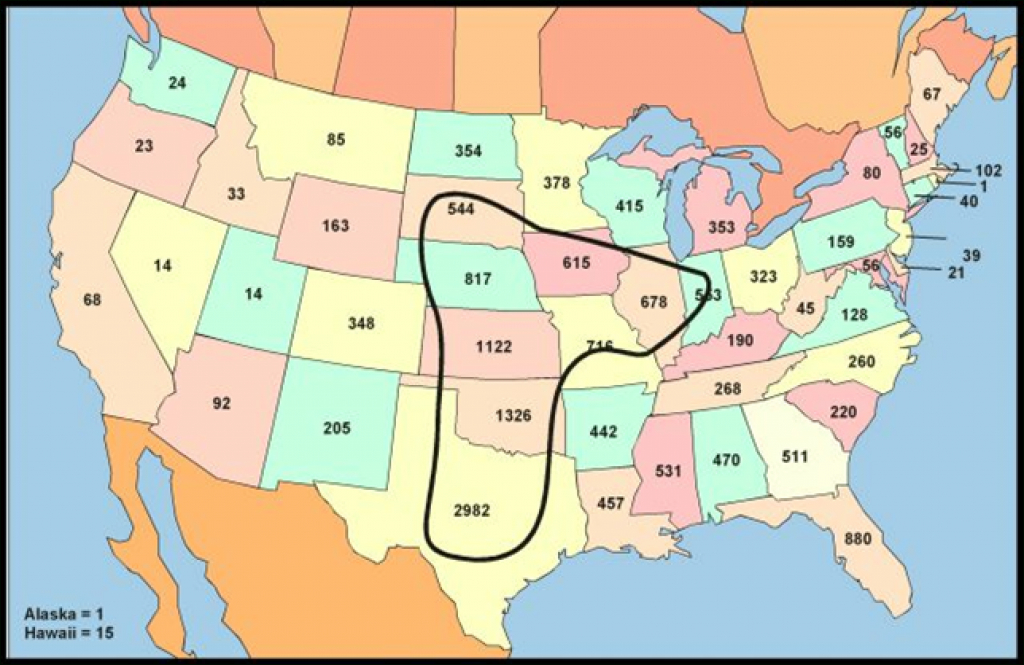
What States Is Tornado Alley In
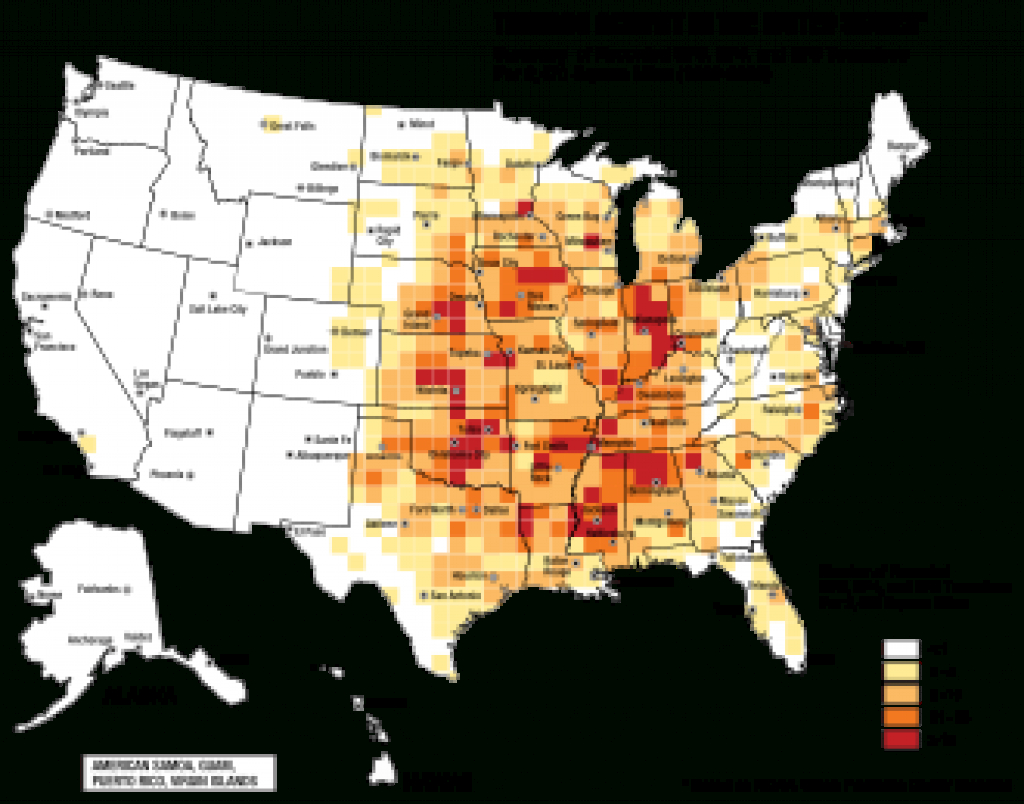
Ever find yourself watching a weather report, or maybe a dramatic movie scene, and hear someone mention "Tornado Alley"? It sounds a bit like a secret club or a particularly windy street, doesn't it? Well, grab a comfy mug of your favorite beverage, because we're about to demystify this famous (and sometimes infamous) part of the good old USA. Don't worry, we're not talking doom and gloom, just a friendly chat about where these twisting winds like to show up.
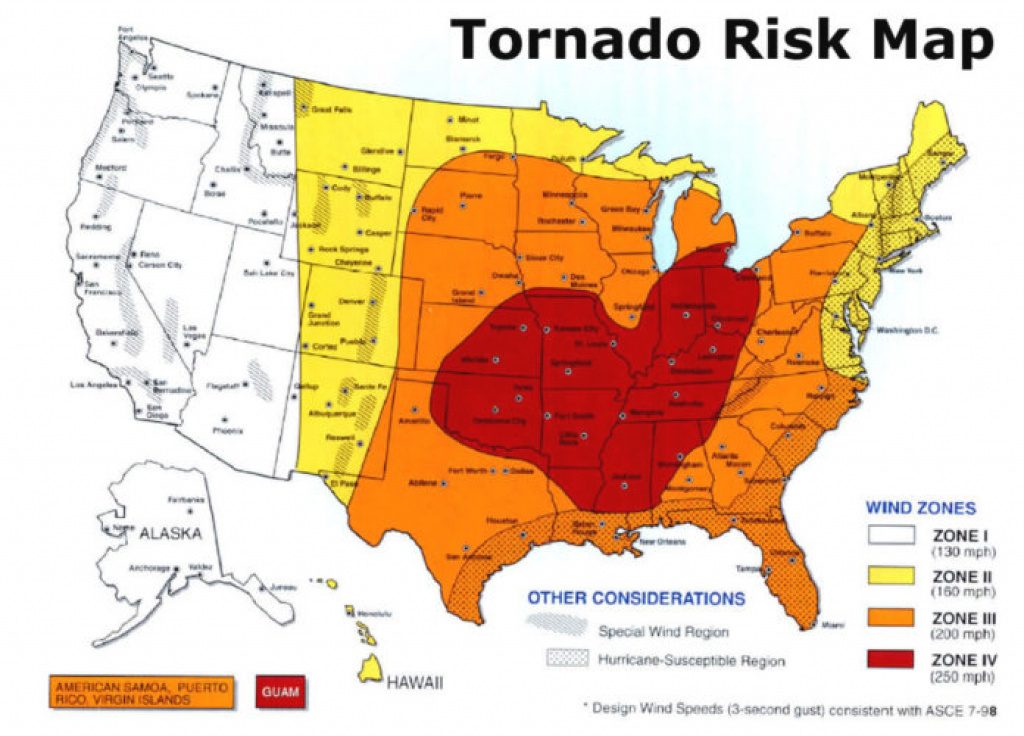
First off, let's clear something up: Tornado Alley isn't an actual alley you can drive down with a GPS. It's more of a metaphorical neighborhood, a general area in the central United States where the conditions are just right for tornadoes to form more frequently than anywhere else on Earth. Think of it like the "barbecue belt" or the "snow belt" – it's where certain things are simply more common. And what makes it so special? It's where warm, moist air from the Gulf of Mexico loves to tango with cool, dry air from the Rocky Mountains and Canada. When these air masses meet, they often create quite the dramatic weather dance party, sometimes spinning up those powerful funnels we call tornadoes.
The Heart of the Alley: The Traditional Crew
When most people think of Tornado Alley, a few states immediately spring to mind. These are the classic, central players, often featured in movies and news reports for their big skies and even bigger storms. Let's meet the core members:
Must Read
- Oklahoma: Often considered the bullseye, especially its central region. When you think of Oklahoma, you often think of dramatic weather, and for good reason!
- Kansas: Remember Dorothy and Toto? Kansas's wide-open plains are perfect for spotting these swirling giants, even if you don't actually get swept away to Oz.
- Texas: Everything's bigger in Texas, including, sometimes, its storms. The northern and central parts of the Lone Star State are definitely in the mix.
- Nebraska: Those vast cornfields aren't just for growing delicious snacks; they provide plenty of space for weather systems to brew.
- Parts of South Dakota: While not as central, the southeastern corner often gets in on the action.
- Parts of Iowa and Missouri: These states form a transition zone, often seeing their fair share of activity, especially in their western halves.
These states, particularly from late spring through early summer, are where conditions are most ripe for powerful storms. It’s like a favorite coffee shop for storm chasers – they know where to go for the best brew!
The Expanding Neighborhood: Welcome to Dixie Alley!
But here's a little twist for you: weather patterns aren't static, and neither is the concept of Tornado Alley. In recent years, meteorologists and everyday folks have noticed an increasing frequency of tornadoes, and often more powerful and deadly ones, in a different part of the country. This area has affectionately (and a little grimly) been dubbed Dixie Alley.
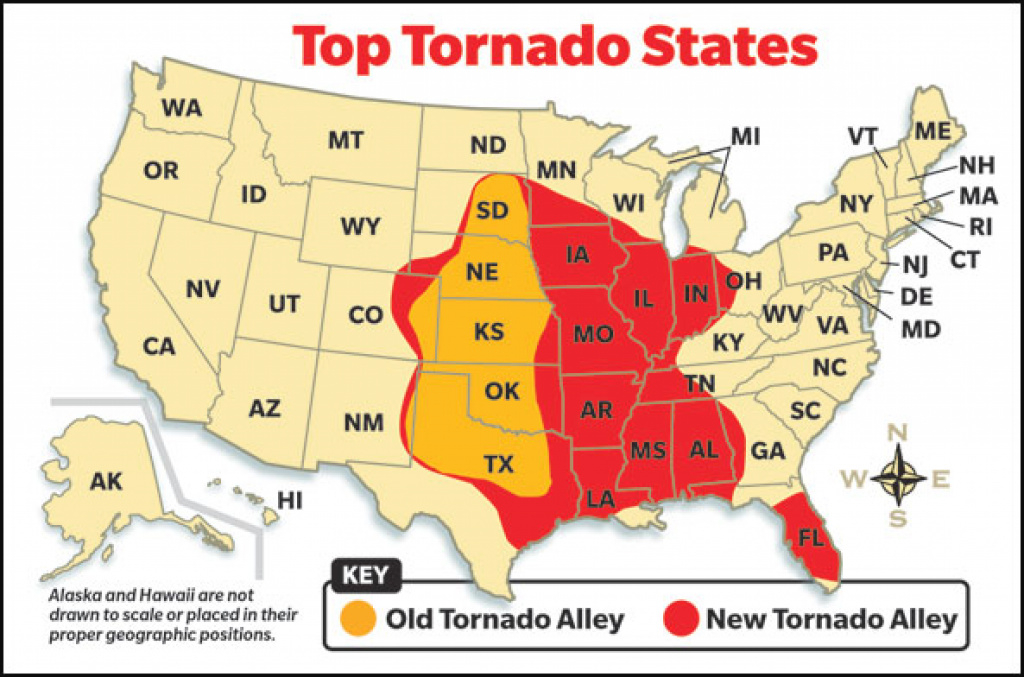
This "new" alley stretches across the southeastern United States, including states like:
- Arkansas
- Louisiana
- Mississippi
- Alabama
- Tennessee
- Kentucky
- And increasingly, parts of Georgia, Florida, North Carolina, and South Carolina.
Why here? The atmospheric ingredients are slightly different, and the timing often shifts to earlier in the spring, or even late fall and winter. The danger in Dixie Alley can sometimes be even greater because these tornadoes often hit in more populated, forested areas, making them harder to see coming. Plus, they frequently occur at night, when people are asleep and less likely to receive warnings. It's a different kind of challenge, like trying to spot a squirrel in a dense forest versus an open park.
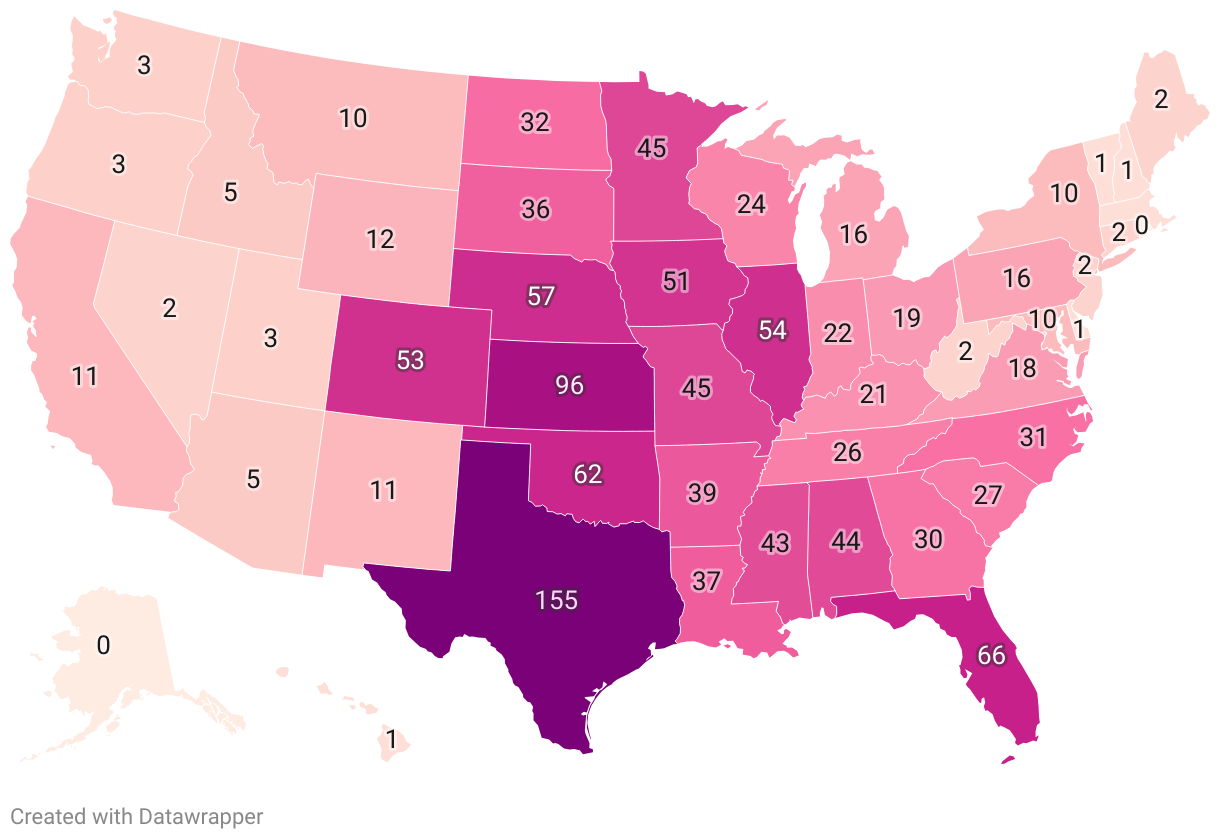
Why Should We Even Care About a Windy Alley?
Okay, so now you know where these tornado hotspots are. But why should you, a regular, fun-loving human, care? Well, it's not about panicking, it's about being weather-smart, in a completely chilled-out way. Think of it like this:
If you're planning a picnic, you probably check the weather for rain, right? Same idea here! If you live in one of these areas, or are planning a road trip through them, being aware is just good common sense. It's like knowing where the best burger joint is, or which lane to use on the highway – it just makes life a little smoother.
Here’s why it matters:
- Local Readiness: If you're in these states, knowing you're in a common tornado zone means you might pay a bit more attention to local weather alerts. You might know where your safe spot is at home, or have a flashlight handy, just like you'd have an umbrella ready for a rainy day. It’s about having a game plan, not living in fear!
- Travel Smart: Visiting family in Oklahoma? Great! But maybe check the forecast before you head out, especially during spring. It's just like packing a sweater for a chilly evening – simple preparation.
- Community Spirit: Understanding these weather patterns helps us appreciate the resilience of communities in these areas. It fosters empathy and awareness for our neighbors, near and far.
Most days in these states are absolutely gorgeous, filled with sunshine and beautiful landscapes. Tornadoes are relatively rare events, even in Tornado Alley. But being aware of where they can happen simply makes us more informed, responsible citizens of our wonderful, wild planet. So, next time you hear "Tornado Alley," you can nod knowingly, perhaps even share a fun fact or two, and remind yourself that being prepared is always cooler than being caught off guard – whether it's for a pop quiz or a pop-up storm!