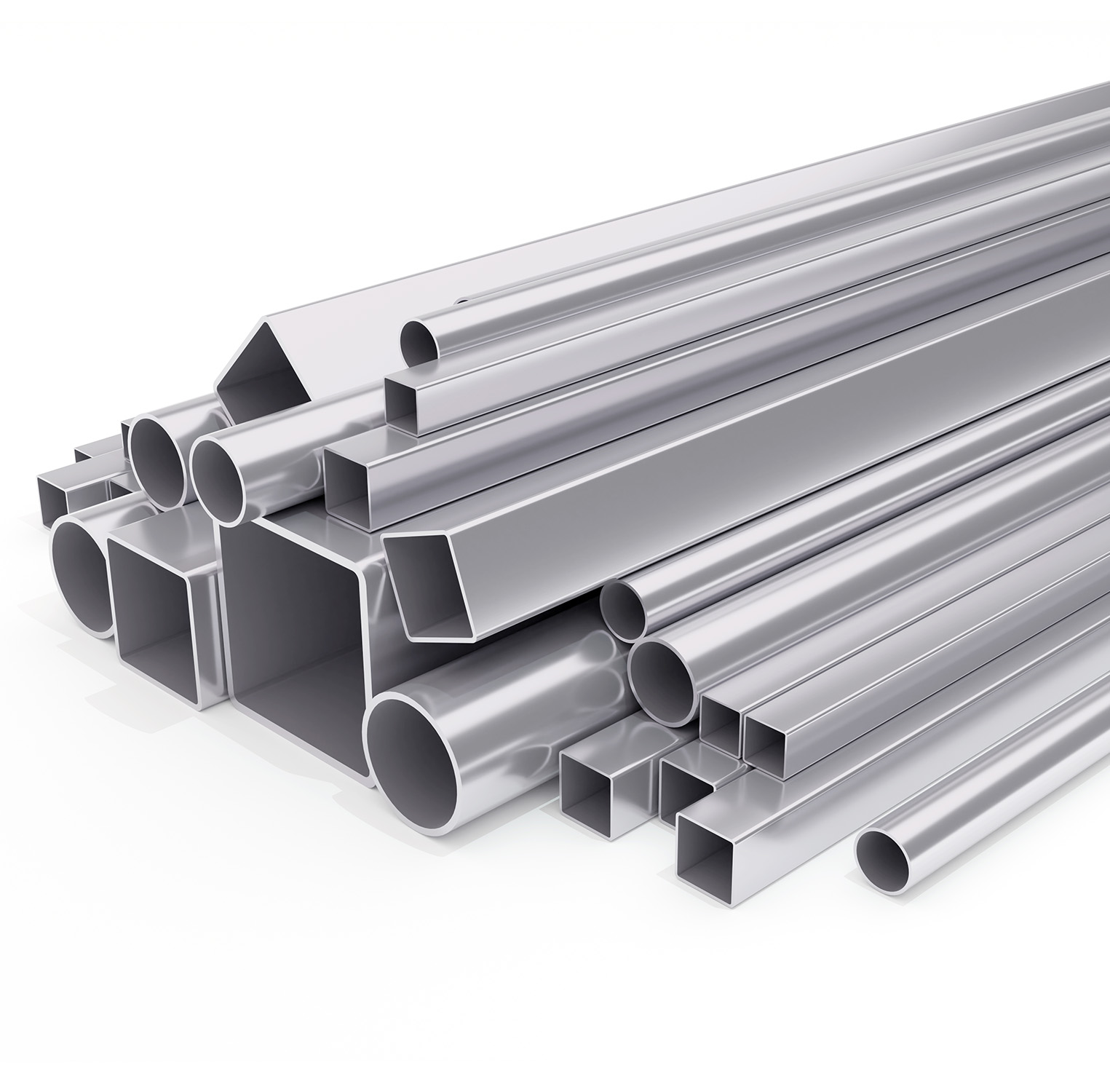
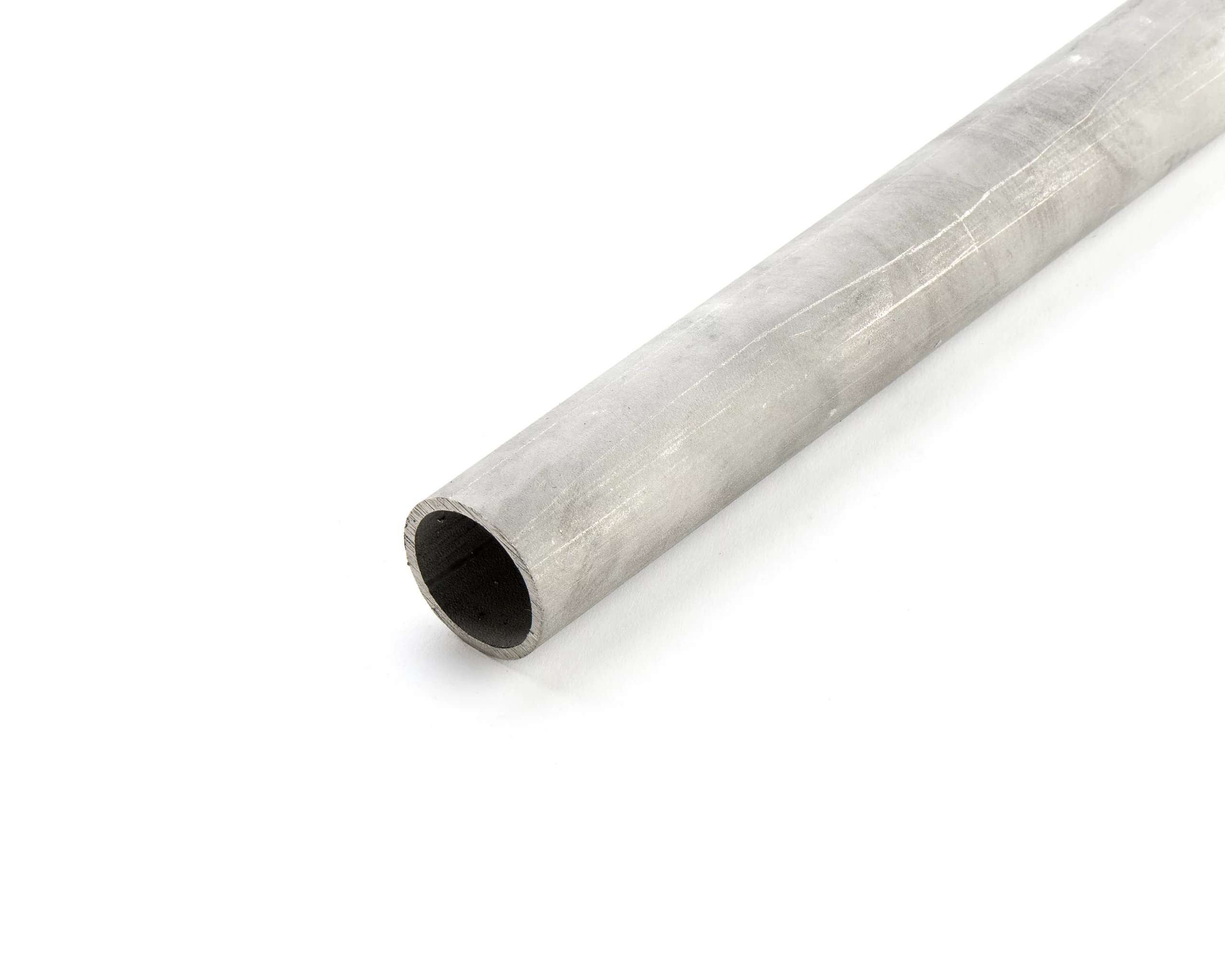
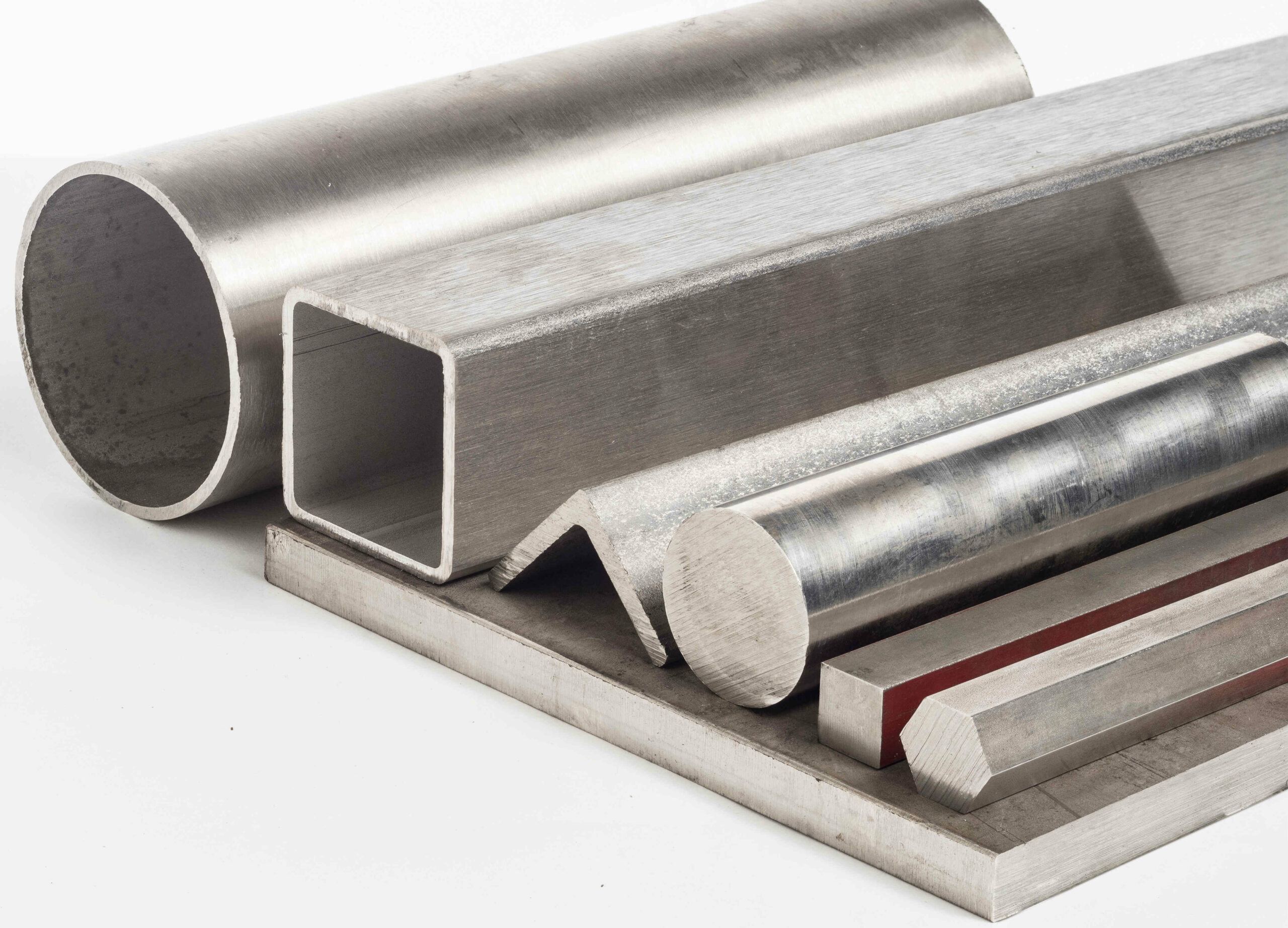
What Stainless Steel Is Made Of

Ever wonder what makes that gleaming kitchen sink resistant to rust, or your favorite pan last through countless meals without a speck of corrosion? We interact with stainless steel every single day, from our cutlery to towering buildings, yet its secret formula often remains a mystery. It's a truly marvelous material, and understanding what it's made of isn't just a science lesson; it's an appreciation for the clever blend of elements that brings us such incredible durability and shine!
The main purpose of stainless steel, as its name cleverly suggests, is to resist staining and corrosion – particularly rust. Unlike regular iron or steel, which quickly succumb to the elements and develop that tell-tale reddish-brown flaky layer, stainless steel remains steadfast. This amazing property makes it ideal for everything from medical instruments needing absolute hygiene to architectural structures exposed to harsh weather. Its benefits are numerous: it’s hygienic, easy to clean, extremely durable, and let's not forget, it looks incredibly sleek and modern.
So, what's the magic behind this metal marvel? At its heart, stainless steel is an alloy, which means it's a mixture of metals, or a metal combined with other elements. The foundation, much like regular steel, is iron. But here's where the secret ingredient comes in: chromium. This is the undisputed star of the show, making up at least 10.5% of the alloy, and often much more.
Must Read
Chromium is what gives stainless steel its legendary resistance to rust. When chromium is exposed to oxygen in the air (or even water), it forms an incredibly thin, invisible layer on the surface called a passive layer or chromium oxide layer. This layer is non-porous and self-healing. If scratched, as long as oxygen is present, it instantly reforms, protecting the iron beneath from oxidation and thus preventing rust. It's like a superhero's invisible force field!
While chromium is the primary rust-fighter, other elements are often added to fine-tune its properties. You'll frequently find nickel in many types of stainless steel (like the popular 304 and 316 grades). Nickel adds ductility, which means it makes the steel more workable and less brittle, and also enhances its corrosion resistance, especially in acidic environments. Another important player is molybdenum, particularly in grades like 316. Molybdenum provides even greater resistance to corrosion, especially against chlorides found in salt water or some industrial chemicals, making it perfect for marine applications or medical implants.
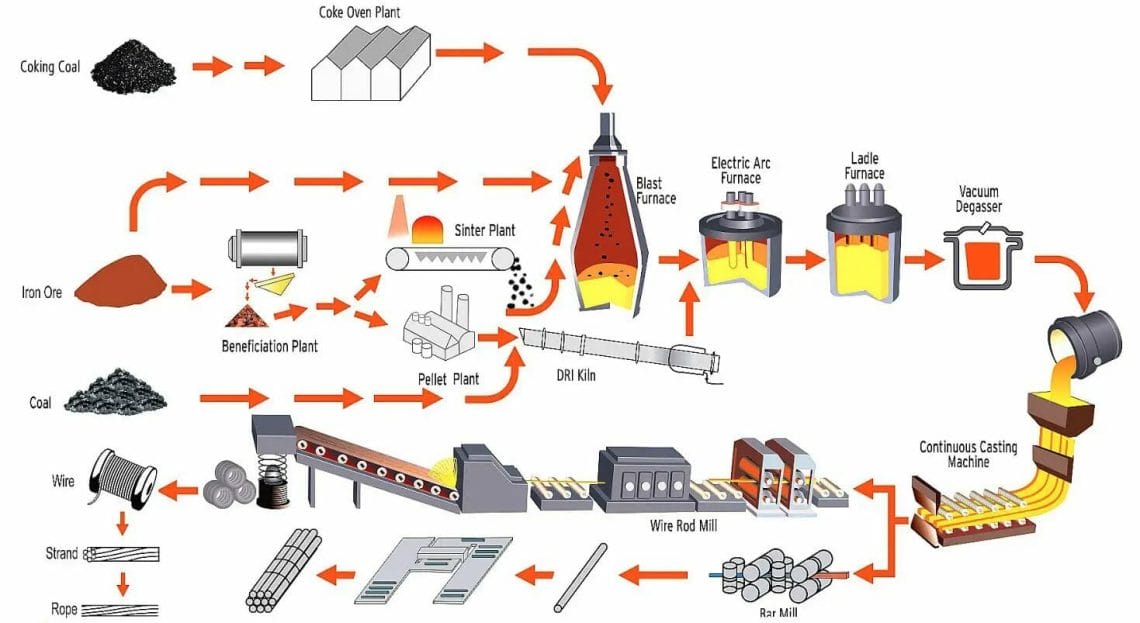
Small amounts of carbon are also present; it's essential for steel's strength, but too much can reduce corrosion resistance. Other elements like manganese and silicon are added in trace amounts to improve strength or aid in the manufacturing process. The precise blend of these ingredients determines the specific type of stainless steel and its unique characteristics, allowing it to serve a vast array of purposes in our modern world.
Next time you see a gleaming appliance or a sturdy piece of cutlery, take a moment to appreciate the fascinating chemistry at play. It's not just a shiny metal; it's a carefully crafted alloy, where each element plays a vital role in giving us the strong, beautiful, and most importantly, stainless material we rely on every day!