
What Space Heater Uses The Least Electricity
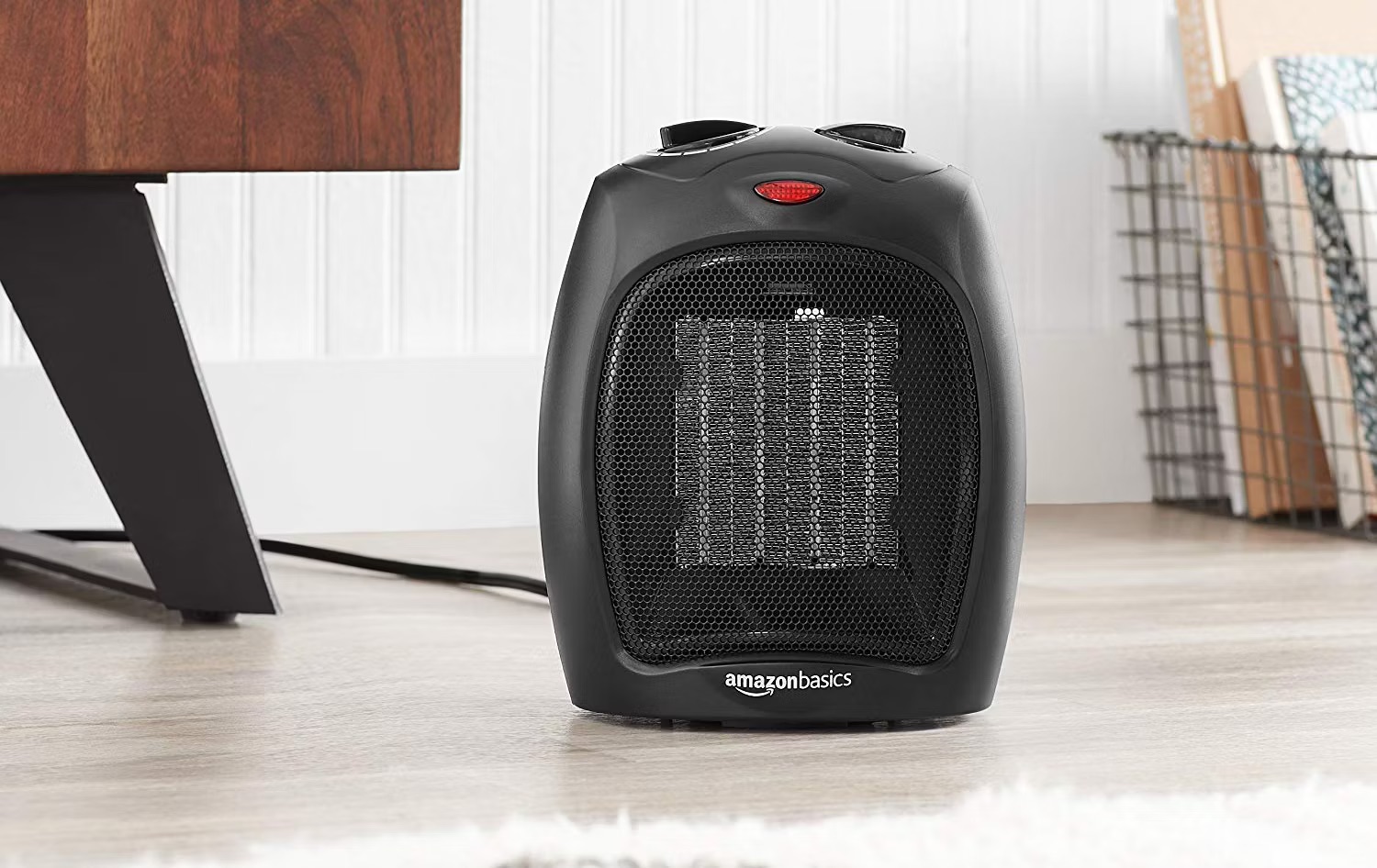
Okay, let's talk space heaters! Brrr, it's getting chilly, isn't it? We've all been there – that moment when the central heating just isn't cutting it, and you're dreaming of a personal, portable sun. But then reality hits: the electricity bill. Yikes! No one wants to heat themselves into debt. So, what's the secret to staying cozy without emptying your wallet? Let's dive into the world of space heaters and find the energy-sipping champions.
The big question: which space heater uses the least electricity? The answer, like most things in life, isn't perfectly straightforward. It depends! But don't worry, we'll break it down. Think of it like choosing between a tiny teacup of coffee and a massive, energy-drink-fueled monster mug. Both give you a boost, but one definitely has a bigger impact on your sleep schedule (and your bank account!).
The Usual Suspects: Understanding Space Heater Types
First, let's meet the contenders! We have a few main types of space heaters, each with its own personality and energy habits:
Must Read
Ceramic Heaters: These are like the reliable, steady Eddies of the space heater world. They use a ceramic heating element and a fan to blow warm air. They are generally considered energy-efficient for smaller spaces.
*Infrared Heaters: Think of these as mini suns! They radiate heat directly to objects and people in front of them, rather than heating the air. This can be more efficient because you're not wasting energy heating empty space.
*Oil-Filled Radiators: These guys are slow and steady, like a marathon runner. They take a while to heat up, but they retain heat well and radiate it out slowly, making them good for consistent, longer-term heating. However, they can be energy hogs if not used carefully.
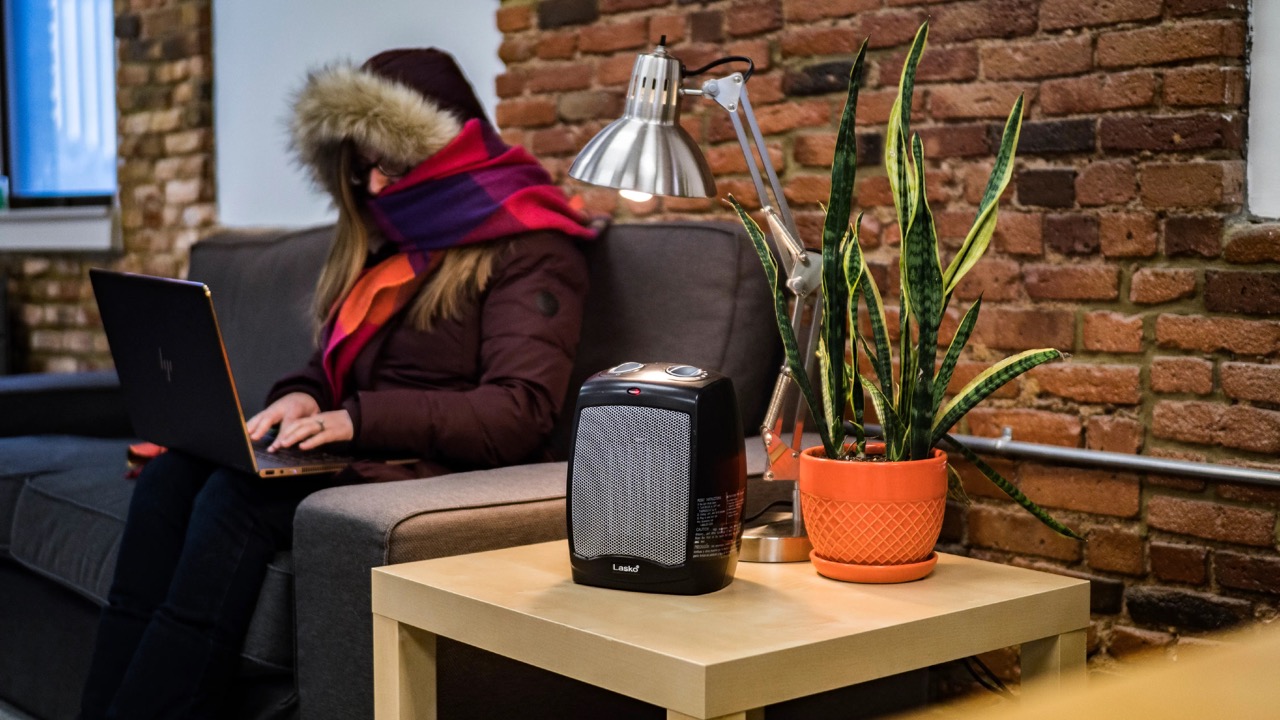
Fan-Forced Heaters: The budget-friendly option. While they heat up quickly, they often are less energy-efficient in the long run.
Watt's the Deal with Watts? (See what I did there?)
The key to understanding energy usage is looking at the wattage of a space heater. Watts are a measure of how much power the heater consumes. Generally, the lower the wattage, the less electricity it uses. It's like comparing the gas mileage of a compact car to a giant SUV. The compact car will get you where you're going with a lot less fuel (and expense!).
Most space heaters range from 750 watts to 1500 watts. A 750-watt heater will use less electricity than a 1500-watt heater for the same amount of time. So, if you're looking for the most energy-efficient option, keep an eye out for heaters with lower wattage settings. Don't be fooled, though! A lower wattage heater might take longer to heat a room, so you might end up running it longer, negating some of the savings. It's a delicate balance!
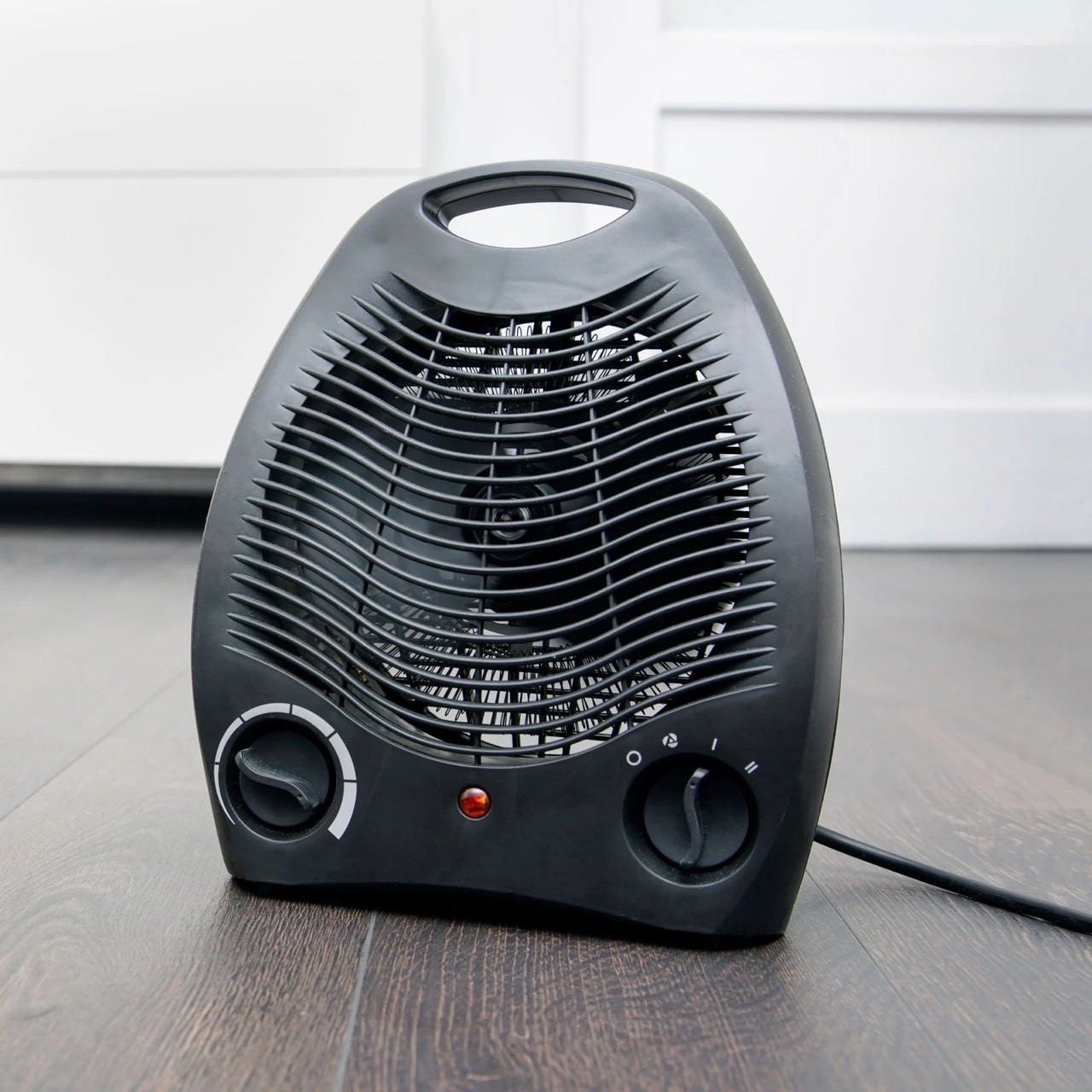
So, Which One Wins? The Energy Efficiency Crown Goes To…
Drumroll, please! Generally speaking, infrared heaters tend to be among the most energy-efficient, especially for heating a small area directly in front of the heater. Because they heat objects and people directly, there's less wasted energy heating the surrounding air. Imagine sitting in front of a campfire versus trying to heat your entire backyard with that same campfire – infrared heaters are like that campfire, focused and efficient.
Ceramic heaters with lower wattage settings are also good contenders. The key is finding a balance between heating power and energy consumption. Look for models with adjustable thermostats and multiple heat settings so you can control how much energy you're using. Turning down the heat just a notch can make a noticeable difference on your bill.
Beyond the Heater: Smart Strategies for Cozy Savings
Choosing the right heater is only half the battle! Here are some extra tips to maximize your energy savings:
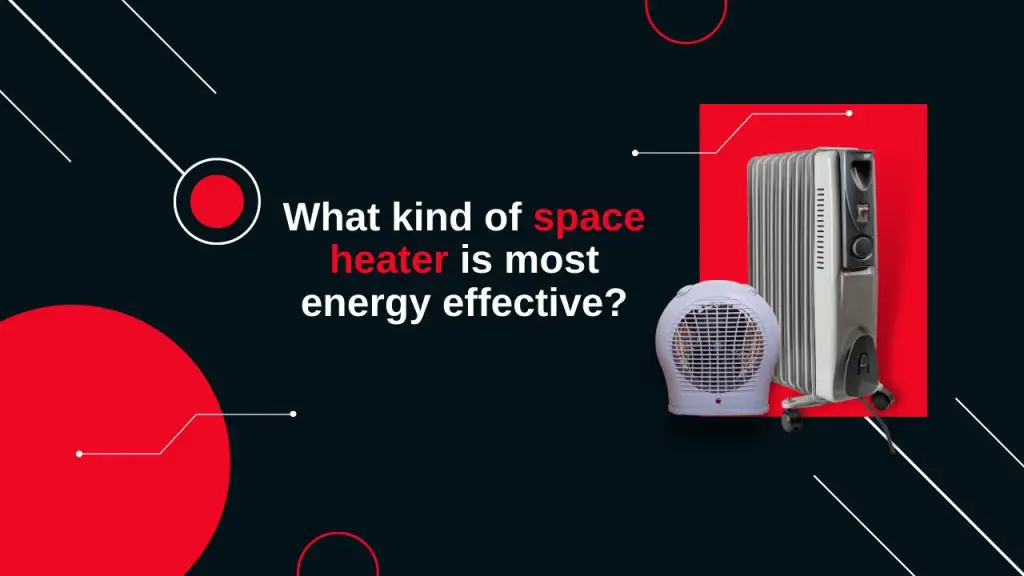
Targeted Heating: Only heat the room you're in! Close the doors to other rooms to prevent heat from escaping. Think of it like keeping the lid on a pot while you're cooking – it traps the heat and cooks the food faster (and more efficiently!).
*Thermostat Control: Use the thermostat wisely! Set it to a comfortable temperature, but don't overheat the room. Every degree you lower the thermostat can save you money.
*Timing is Everything: Don't leave the heater running all day and night if you're not home or asleep. A timer can be a lifesaver! Or better yet, a smart heater with scheduled on/off times.

Seal the Deal: Drafts are the enemy! Seal any cracks or gaps around windows and doors to prevent heat from escaping. It’s like plugging holes in a leaky bucket – you'll keep more of the heat inside where you want it.
*Layer Up: Sometimes, the simplest solutions are the best. Before cranking up the heater, throw on a cozy sweater, some warm socks, and grab a blanket. You might be surprised how much warmer you feel!
In conclusion, finding the space heater that uses the least electricity is about understanding the different types, paying attention to wattage, and using smart heating strategies. By making informed choices, you can stay warm and comfortable without breaking the bank. Happy heating!