
What Size Wire Is Required For A 200 Amp Service
Hey there, friend! So you're diving into the electrifying world of 200 amp service, huh? That's like upgrading from a bicycle to a rocket ship in terms of electrical capacity! Don't worry, I'm here to help you figure out what size wire you need without turning it into a shocking experience.
The Million-Dollar Question: Wire Size
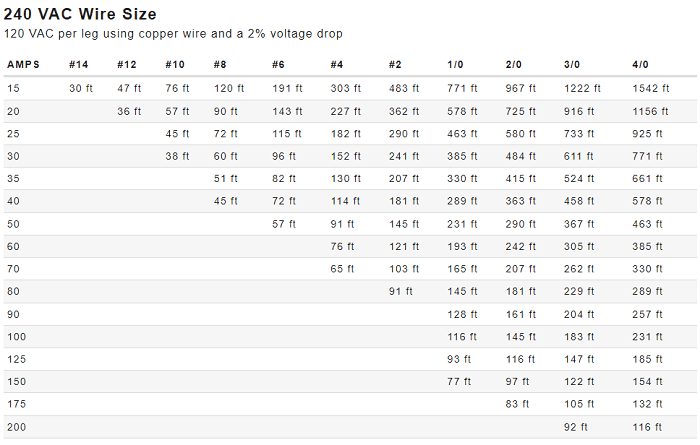
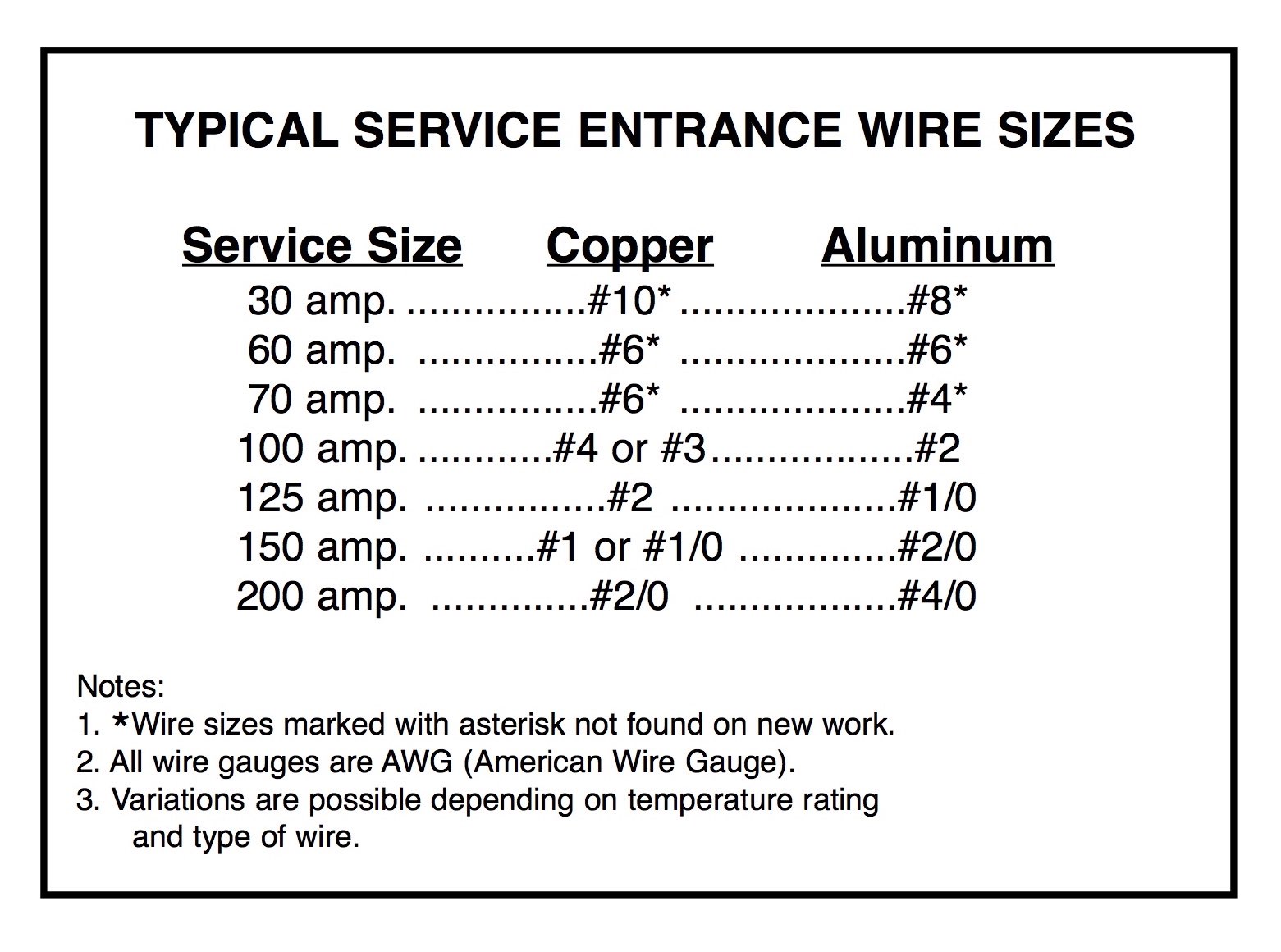
Alright, let's get straight to the juicy details. When we're talking about a 200 amp service, you generally need to use either 2/0 AWG copper wire or 4/0 AWG aluminum wire. Notice the emphasis on generally. Always, always, always check your local electrical codes. They're like the bouncers at the electrical party – they decide who gets in!
Now, why the difference between copper and aluminum? Well, copper is the gold standard (literally, it used to back our money!). It conducts electricity better than aluminum, so you can use a slightly smaller gauge. Aluminum is more affordable but requires a larger gauge to carry the same amount of current. Think of it like using a wider straw to drink the same milkshake.
Must Read
Important Note: These are just general guidelines. Factors like the length of the wire run, ambient temperature, and even how the wires are bundled together can affect the required wire size. Electricity is a bit like baking – you need to get the proportions right!
Don't Forget the Ground Wire!
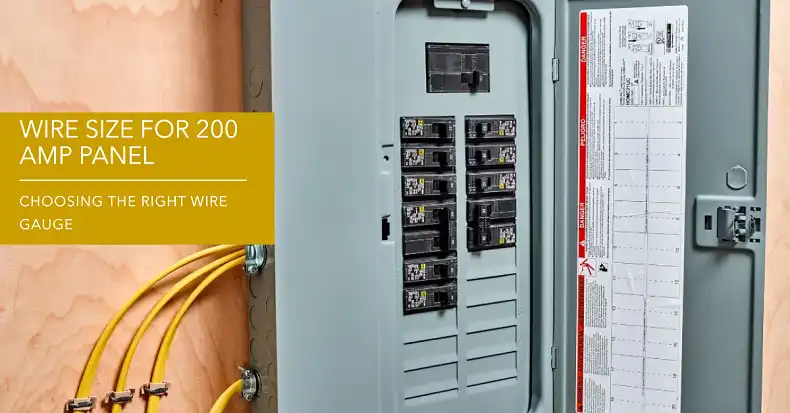
You might be thinking, "Okay, got the main wires covered. What about the ground?" Good question! Ignoring the ground wire is like forgetting to put on your seatbelt – it’s a big no-no. For a 200 amp service, you'll typically need a #4 AWG copper ground wire or a #2 AWG aluminum ground wire.
The ground wire provides a safe path for electricity to flow in case of a fault. It's like a safety net for your electrical system, preventing shocks and fires. Basically, it’s the unsung hero of your electrical setup.
Conduit Considerations (Because, Why Not?)
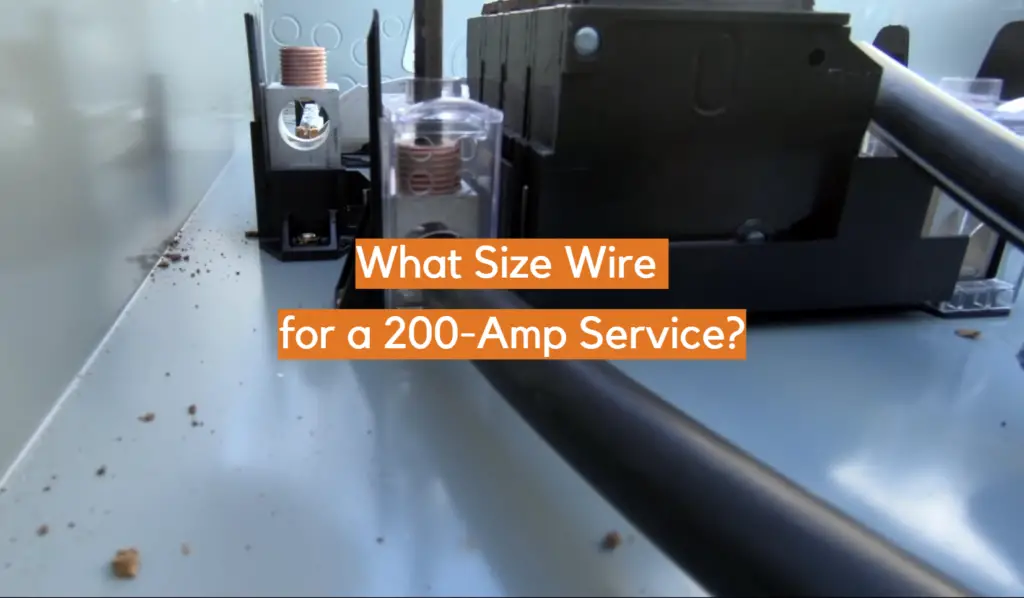
Speaking of safety, let's chat about conduit for a sec. Conduit is the protective pipe that houses your wires. Think of it as the bodyguard for your electrical system, protecting it from physical damage and the elements.
The type and size of conduit you need will depend on the number and size of wires you're running. PVC, EMT (Electrical Metallic Tubing), and Rigid Metal Conduit are all common choices. It's a bit like picking out the right outfit for a party – you want something that looks good and fits the occasion.
When in Doubt, Call a Pro!
Now, I know I've made this sound relatively straightforward, but electricity is not something to mess around with. If you're feeling even slightly unsure about any aspect of this project, please, please, please call a qualified electrician. They're like the doctors of the electrical world – they know how to diagnose and fix problems safely and effectively.
Trying to save a few bucks by DIYing your electrical work can end up costing you a whole lot more in the long run, not to mention putting your safety at risk. Remember, a little knowledge is a dangerous thing, especially when dealing with electricity! Think of it this way: you wouldn't try to perform surgery on yourself, would you? (I sincerely hope not!)
Local Codes Are Your Bible (Electrical Edition)
Seriously, I can’t stress this enough. Your local electrical codes are the ultimate authority on what's allowed and what's not. They're not just there to make your life difficult – they're there to protect you and your property. These codes can vary from city to city, and even from neighborhood to neighborhood, so make sure you're following the specific regulations in your area.
Think of electrical codes like the rules of a board game. You can't just make up your own rules as you go along – you have to follow the official instructions to avoid getting zapped (or, you know, getting fined by the inspector!).

Wrapping It Up with a Spark!
So, there you have it! Figuring out the right wire size for a 200 amp service doesn't have to be a hair-raising experience. Remember to consider copper versus aluminum, factor in the ground wire, choose the appropriate conduit, and, most importantly, consult with a qualified electrician and adhere to your local electrical codes. You've got this!
And hey, once you've got your electrical system all wired up and ready to go, you can finally enjoy that new hot tub, power up your home theater, or charge your electric car without blowing a fuse. It's a bright future ahead, full of electrical possibilities!
Now go forth and conquer the world of 200 amp service! Just remember to be safe, be smart, and maybe keep a fire extinguisher handy... just in case. (Okay, I'm kidding! Mostly.)