What Size Wire For 30 Amp 240v
Alright, picture this: You’re all set for a cozy movie night. Popcorn's popped, drinks are chilling, and you're about to hit play on that epic sci-fi marathon. Suddenly, BAM! Darkness. Not the cinematic kind, but the 'breaker tripped' kind. You shuffle in the dark, reset the breaker, and just as the opening credits roll... BAM! Again. Sound familiar? We've all been there, pushing our electrical systems a little too hard, or perhaps inheriting a wiring job that makes you scratch your head.
That little scenario, while maybe not directly about wire size, perfectly illustrates how crucial it is to understand the invisible rivers of electricity flowing through our homes. Get it wrong, and you're not just looking at a tripped breaker; you could be looking at melted wires, appliance damage, or worse – a fire hazard. Yikes!
Which brings us to today's burning (pun intended!) question: What size wire for 30 Amp 240v? This isn't just some random technical blurb; this is super relevant if you're installing something hefty like an electric dryer, a new water heater, or maybe even that sweet Level 2 EV charger you've been eyeing. These aren't your toaster-oven circuits, folks; these are the heavy hitters.
Must Read
The Big 30 Amp 240v Question: It's Not a One-Size-Fits-All (But Kinda Is)
When you're dealing with a 30-amp circuit at 240 volts, you're looking for wire that can safely carry that current without overheating. Think of electricity like water flowing through a pipe. If the pipe is too narrow for the amount of water, pressure builds up, and things get messy. Similarly, if your wire is too thin for the current, it heats up, and that's a recipe for disaster.
Now, before we dive into the numbers, a little heads-up: electrical work isn't for the faint of heart or the uninitiated. Always consult local codes and consider hiring a qualified electrician. Seriously, your safety (and your home's!) is worth it. But for the curious DIYer wanting to understand the 'why' behind the 'what,' let's get into it!
Copper vs. Aluminum: The Material Matters
Wire isn't just wire; it's typically made of either copper or aluminum. Copper is generally preferred for its excellent conductivity and durability, while aluminum is lighter and cheaper, but requires a slightly larger gauge for the same current due to its lower conductivity. Most residential wiring today is copper, but you might encounter aluminum for larger service entrances or older installations. It's a key distinction!
Understanding AWG: The Smaller the Number, The Bigger the Wire
You'll often hear about wire sizes in terms of AWG, which stands for American Wire Gauge. Here's the counter-intuitive part: the smaller the AWG number, the thicker the wire. So, 10 AWG is thicker than 12 AWG. Why? Don't ask me, I didn't invent the system, but it's important to remember! Thicker wire means less resistance, less heat, and more capacity to carry current.

The Moment of Truth: What Wire Size for 30 Amp 240v?
Okay, drumroll please! For a dedicated 30-amp, 240-volt circuit, here's the general go-to, as per the National Electrical Code (NEC) guidelines (which most local codes follow):
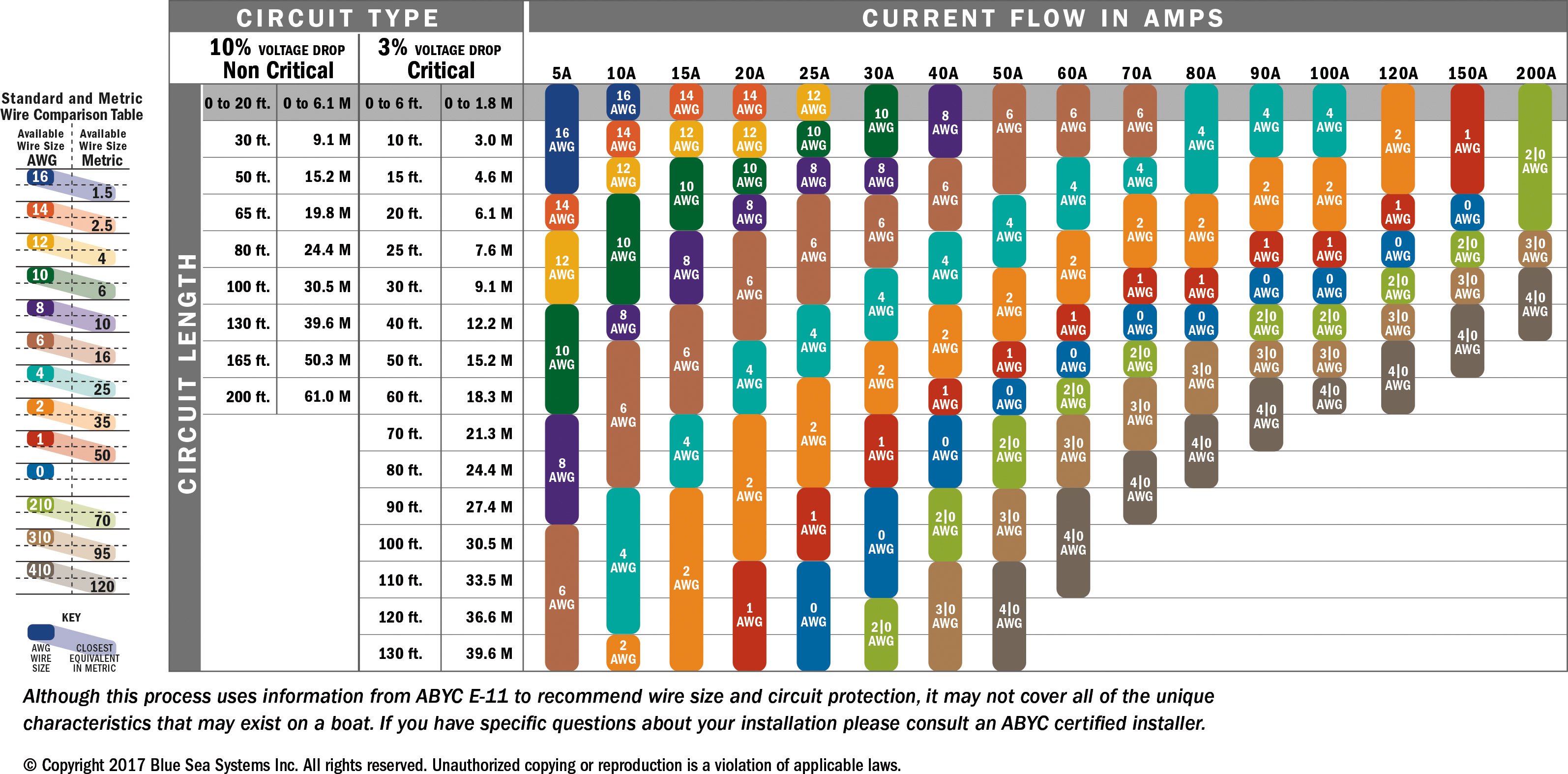
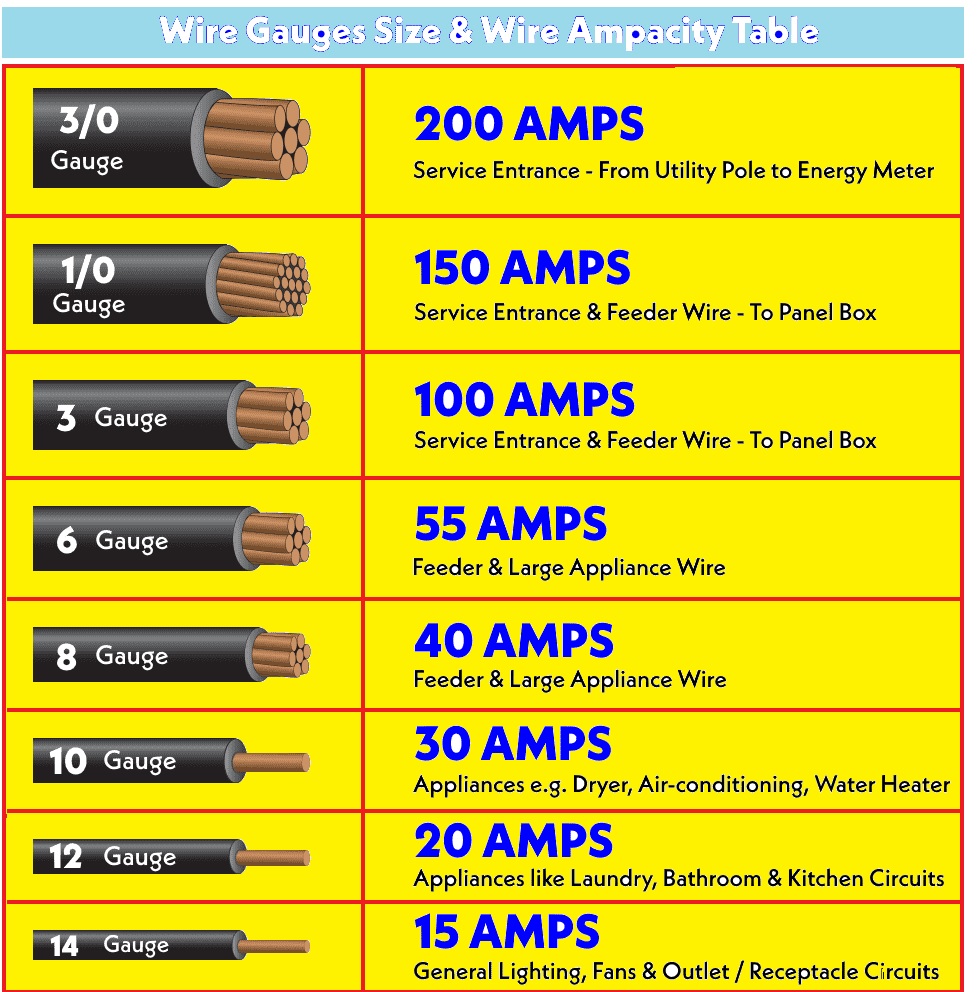
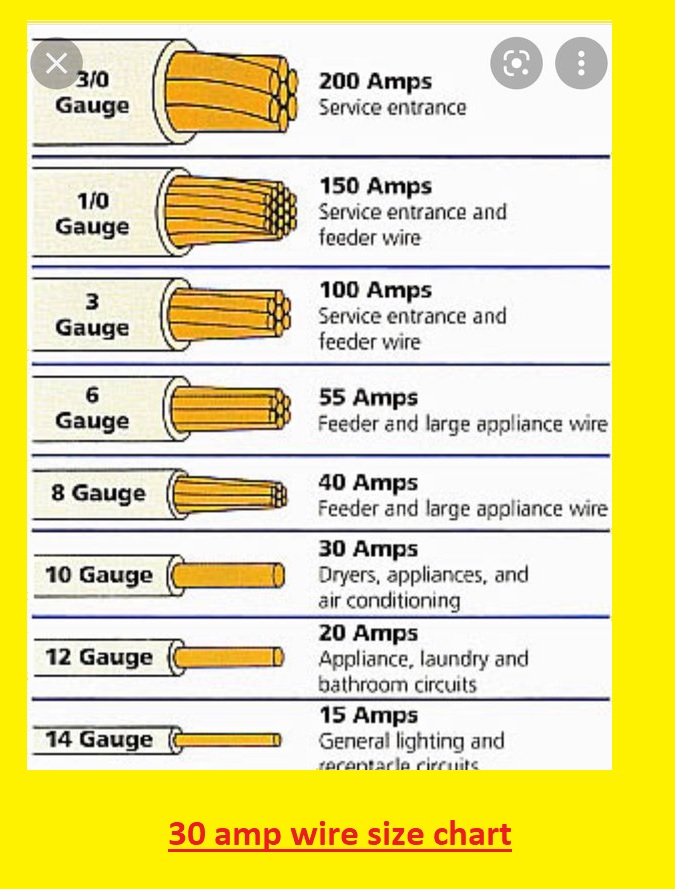
- For Copper Wire: You'll typically want 10 AWG copper wire. This gauge is robust enough to handle 30 amps safely over standard distances for residential applications. You'd use this with a 30-amp circuit breaker, naturally.
- For Aluminum Wire: If, for some reason, you're using aluminum (less common for these circuits in new residential builds, but possible), you would need 8 AWG aluminum wire. Remember, aluminum needs to be a step thicker than copper for the same amperage rating.
See? It's not too complicated once you know the rules! You're looking for that sweet spot where the wire can carry the juice without breaking a sweat (or, you know, melting). And always remember, you'll need three wires for a 240V circuit (two hots and a ground), and often a neutral as well (making it four wires: two hots, one neutral, one ground), depending on your specific appliance.
A Few More Nuggets of Wisdom (Don't Skimp on Safety!)
- Voltage Drop: For really long runs (think 50+ feet to a detached garage or shed), you might need to go one size thicker (e.g., 8 AWG copper instead of 10 AWG) to compensate for voltage drop. This ensures your appliance gets the full power it needs. Don't let your electrons get tired on their journey!
- Insulation Temperature Rating: Wires come with different insulation temperature ratings (e.g., 60°C, 75°C, 90°C). For residential applications, 75°C rated wire (like THHN/THWN-2) is common and usually sufficient, but always confirm it meets your specific needs and local codes.
- Match Your Breaker: The wire size must match the circuit breaker. A 30-amp breaker needs wire rated for at least 30 amps (like 10 AWG copper). Putting a 30-amp breaker on 12 AWG wire is a big no-no; the wire would overheat before the breaker trips, which, as you can imagine, is less than ideal.
So there you have it, fellow electrical explorers! For most common 30 Amp 240v needs, you're typically looking at 10 AWG copper wire. Knowing this little tidbit can save you headaches, trips to the hardware store, and most importantly, keep your home safe and sound. Stay curious, stay safe, and maybe leave the really tricky stuff to the pros. After all, nobody wants another 'breaker tripped' movie night, right?