
What Size Wire For 240v 30 Amp

Alright, let's talk about something that might sound a little bit like rocket science but is actually pretty straightforward once you get the hang of it: choosing the right wire size for a 240-volt, 30-amp circuit. Think of it less like an intimidating electrical equation and more like picking the right straw for your favorite drink.
You see, electricity needs a pathway, much like water needs a pipe or you need a good internet connection for your streaming binge. And just like you wouldn't try to sip a super thick milkshake through one of those tiny coffee stirrers (unless you enjoy a challenge and a lot of sucking noise), you shouldn't try to cram too much electrical current through a wire that's too small for the job.
Why Should We Even Care About This Witty Wire Wisdom?
Good question! And here's the fun (and slightly serious) answer: It's all about keeping your home safe and your appliances happy. Imagine trying to squeeze a full garden hose's worth of water through a tiny drinking straw. What happens? Pressure builds up, things get hot, and eventually, something bursts or breaks. The same principle applies to electrical wires.
Must Read
If your wire is too small for the amount of electricity (amps) trying to pass through it, it's like a freeway suddenly shrinking to a bike path during rush hour. Things get jammed, friction increases, and in the world of electricity, that means heat. Too much heat can melt the wire's insulation, damage your appliance, or in a worst-case scenario, lead to a good ol' fashioned house fire. Nobody wants that kind of "excitement," right?
So, choosing the right wire size isn't just a technical detail; it's a critical safety measure. It ensures your electricity flows smoothly and your home stays safe and sound, avoiding any smoky kitchen dramas or unexpected power outages during your favorite show.
The Big Reveal: What Wire Size Do We Need?
Okay, drumroll please! For a 240-volt, 30-amp circuit, you're generally looking at one of two options, depending on the material:

If you're using good old copper wire (which is most common and highly recommended for its excellent conductivity), you'll want to go with a 10-gauge wire. Think of 10-gauge copper as the reliable, sturdy workhorse of the wiring world for this specific job.
Now, if for some reason you're using aluminum wire (which you might occasionally see, especially in older installations or very long runs, but it's less common for these smaller circuits), you'd need a slightly thicker wire because aluminum isn't quite as good at conducting electricity as copper. For aluminum, you'd step up to an 8-gauge wire.
Quick Refresher: Copper is king here. It's more efficient, safer, and generally easier to work with. Aluminum needs to be thicker to carry the same amount of current safely.

A Little Trick for Remembering Wire Gauge
Here's where it can get a little counter-intuitive, so lean in! When it comes to wire gauge numbers, it's actually backward from what you might expect. Imagine you're buying shoes. A smaller number usually means smaller shoes, right? Well, with wire gauge, it's the exact opposite!
A smaller gauge number means a thicker, beefier wire. So, a 10-gauge wire is thicker than a 12-gauge, and an 8-gauge is even thicker than a 10-gauge. Think of it like this: a higher number means a skinnier wire, and a lower number means a fatter, more capable wire. For our 240V 30A circuit, we need that capable 10-gauge copper (or 8-gauge aluminum).
What Kinds of Things Use 240V 30A?
So, what appliances are usually the reason you're asking this question? It's typically the bigger energy hogs in your house. We're talking about:
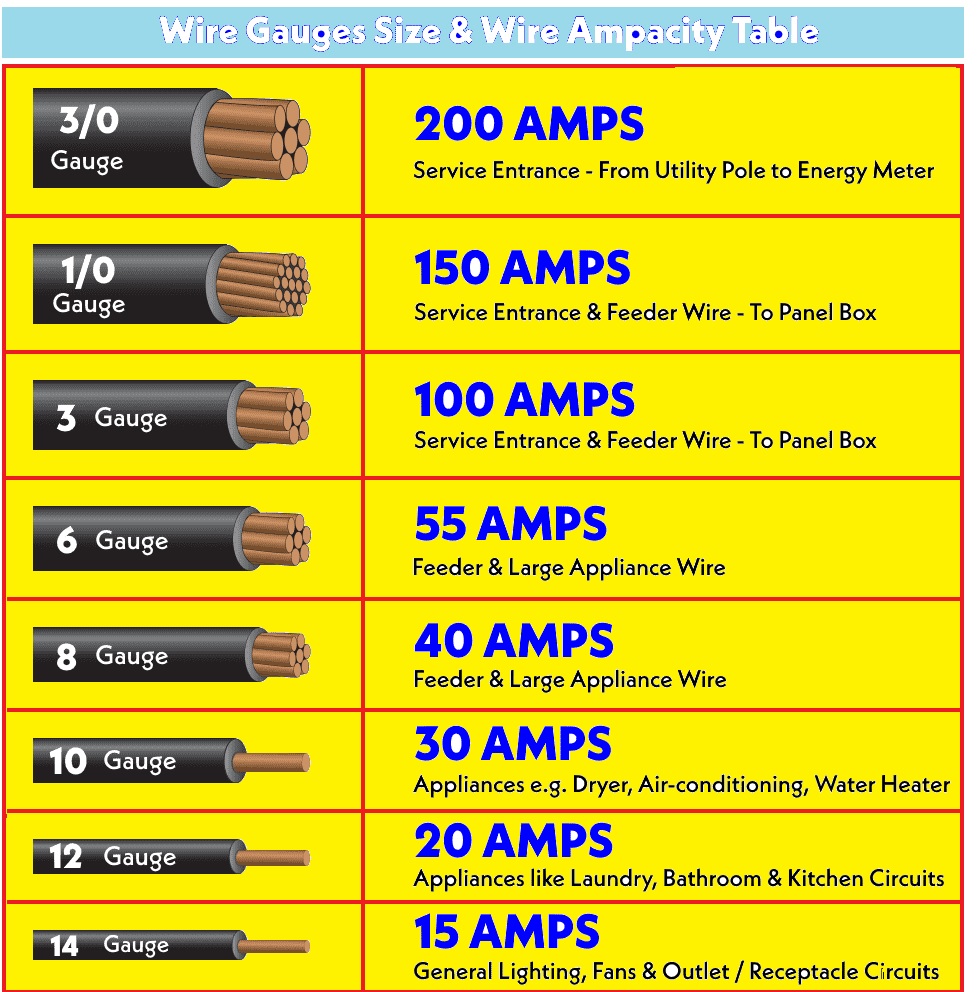
- Your beloved electric clothes dryer (because who wants wet laundry?).
- Smaller electric water heaters that keep your showers toasty.
- Some of the more powerful window air conditioning units that can cool down a whole room.
- Or perhaps you're dabbling in the future with a Level 2 electric vehicle charger for your fancy new car (the less beefy kind, of course).
These are the kinds of appliances that really appreciate having a dedicated, appropriately wired circuit to draw all the power they need without breaking a sweat (or making your wires sweat!).
When in Doubt, Don't Be a Hero!
While understanding wire sizing is super helpful and makes you sound like a pro at dinner parties, actually doing the wiring is a whole different ballgame. Electricity, especially 240 volts, isn't something to mess around with if you're not completely confident.
If you're feeling even a tiny bit unsure, or if your internal "uh-oh" alarm is ringing, please, please, please: call a qualified electrician. They're the experts, they know the local codes, and they'll ensure everything is done safely and correctly. It’s like trying to fix your own broken leg – sure, you can read a book about it, but a doctor is going to do a much better, safer job!
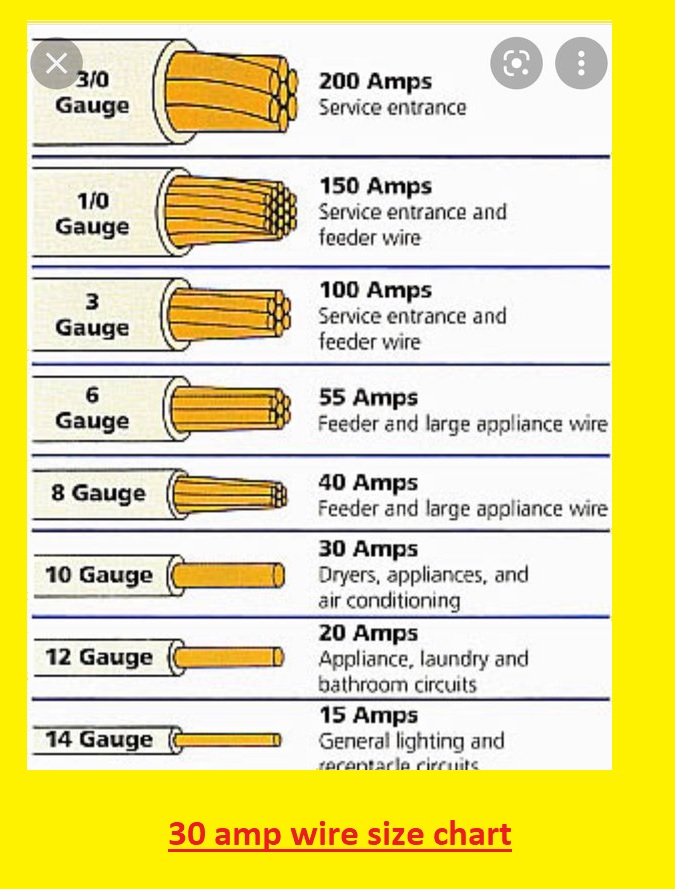
Think of it as an investment in your home's safety and your peace of mind. A little professional help goes a long way in preventing future headaches (and potential dangers!).
Wrapping It Up With a Bow
So, there you have it! For your 240-volt, 30-amp circuit, the star of the show is typically a 10-gauge copper wire. If you ever encounter aluminum, you'll need 8-gauge. Remember that quirky gauge number rule (smaller number = thicker wire!), and always prioritize safety over DIY heroics.
Now you're not just an everyday reader; you're an informed, wire-savvy individual ready to make smart decisions for your home's electrical needs. Go forth and power safely!