What Size Wire Do I Need For 30 Amp Breaker
Let's talk about wires and electricity! Now, before you glaze over, trust me, this is actually pretty exciting. Think of it like this: electricity is the lifeblood of our homes, powering everything from our coffee makers to our massive entertainment systems. And wires? They're the arteries carrying that lifeblood. Figuring out what size wire you need for a 30 amp breaker isn't just some dry, technical thing – it's about making sure everything runs smoothly, safely, and without turning your house into a crispy critter. So, grab a virtual toolbox, and let's dive in!
So, what's the big deal about wire size and breaker amperage? It all boils down to safety and efficiency. A circuit breaker's job is to protect your wiring from overloading. An overload happens when you try to draw more current (measured in amps) than the wire can safely handle. The wire heats up, and if the breaker doesn't trip, you're looking at a potential fire hazard. Not fun! Choosing the right wire size ensures that the wire can safely carry the amount of current the 30 amp breaker is designed to protect.
The purpose of matching the correct wire size to your 30 amp breaker is threefold:
Must Read
- Safety: This is paramount. Undersized wires can overheat and cause fires.
- Performance: Using the correct size ensures efficient power delivery. Undersized wires can cause voltage drop, meaning your appliances won't get the power they need to operate correctly. Think dim lights and weak coffee.
- Code Compliance: Electrical codes exist for a reason – to keep us safe. Following these codes is essential for your home's safety and for passing inspections if you're doing electrical work.
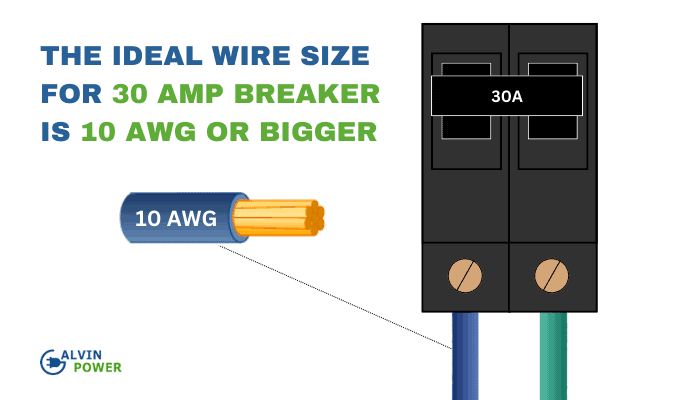
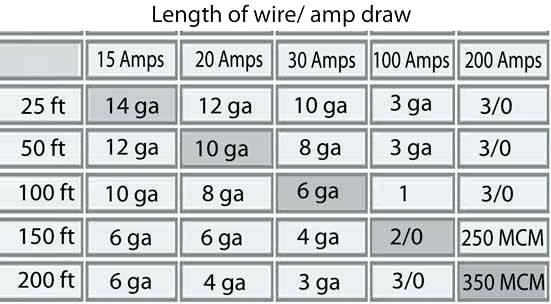
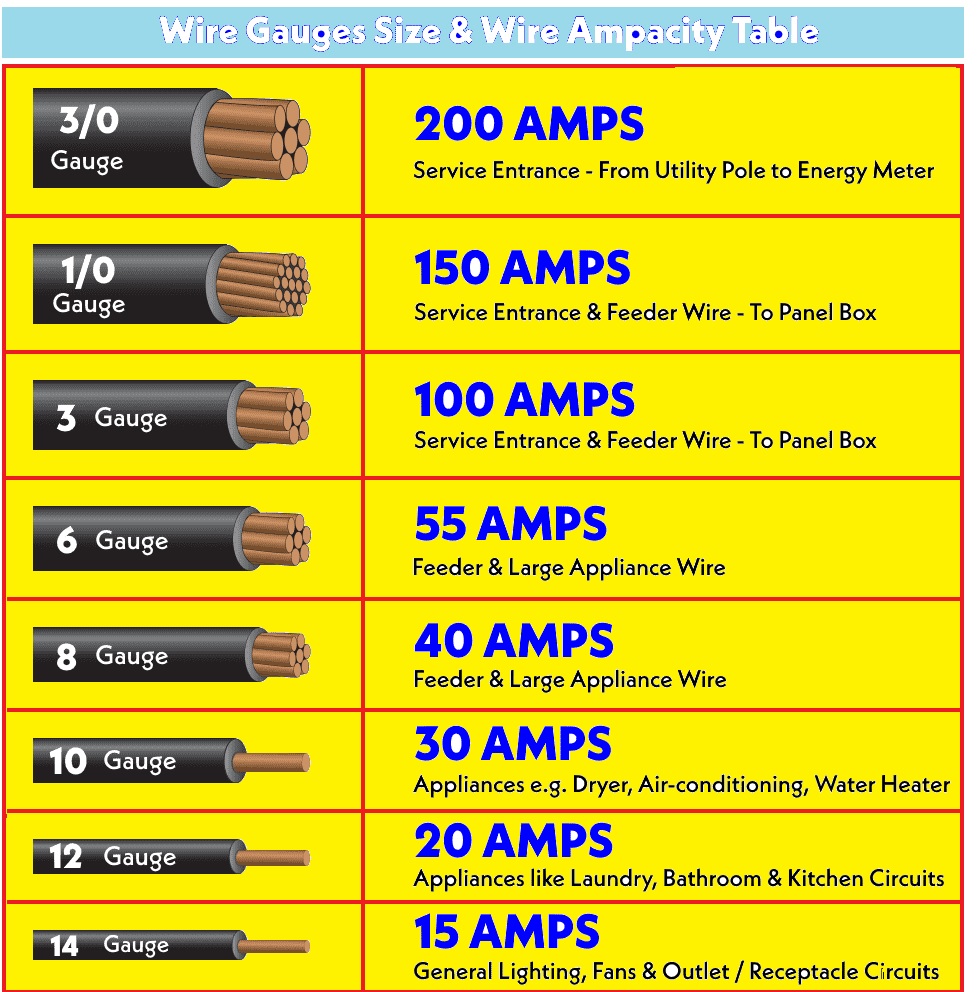
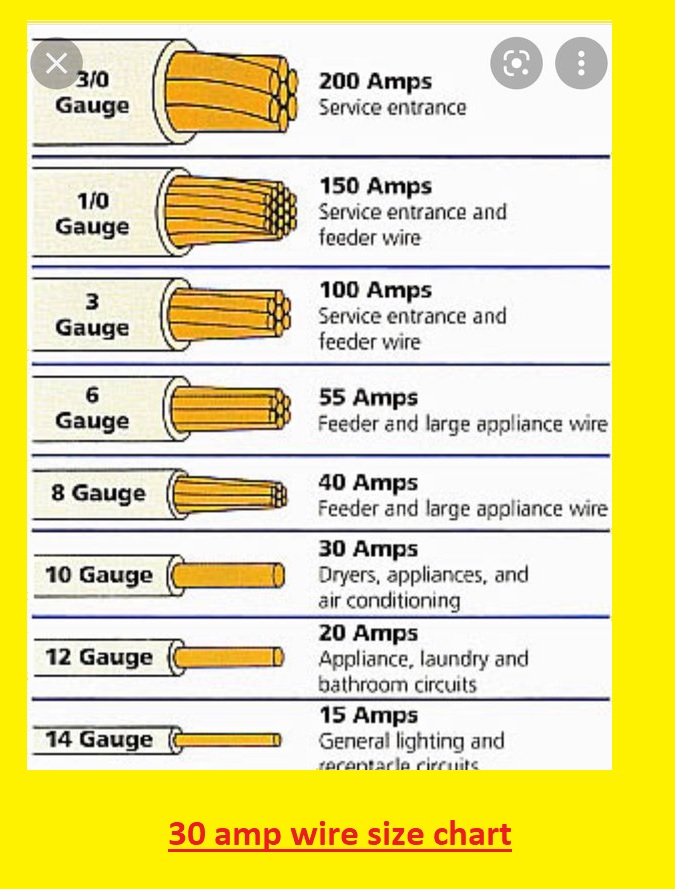
Okay, so what size wire do you need for a 30 amp breaker? The general rule of thumb is that you'll need at least 10 AWG (American Wire Gauge) copper wire. AWG is the standard measurement for wire thickness; the smaller the number, the thicker the wire. However, there are a few caveats. For example, if you are using aluminum wire, you will need a larger gauge, typically 8 AWG. Aluminum wire has a higher resistance than copper, so it needs to be thicker to carry the same amount of current.
It's crucially important to consult your local electrical codes and the National Electrical Code (NEC) for the most accurate and up-to-date information. These codes can vary depending on your location and the specific application. Also, factors like the type of insulation used on the wire and how the wire is installed (e.g., buried in conduit) can affect the wire's ampacity (its ability to carry current).
Important Disclaimer: Working with electricity can be dangerous. If you're not comfortable working with electrical wiring, it's always best to hire a qualified electrician. They have the knowledge, experience, and tools to ensure the job is done safely and correctly. Don't risk your safety or the safety of your home by attempting electrical work you're not qualified to do. Think of it as calling a plumber for a major leak – sometimes it's best to leave it to the pros!
So there you have it! Understanding wire size and breaker amperage is a vital step in keeping your home powered safely and efficiently. Remember, when in doubt, consult a professional. Happy wiring (safely, of course)!