
What Size Power Supply Do I Need
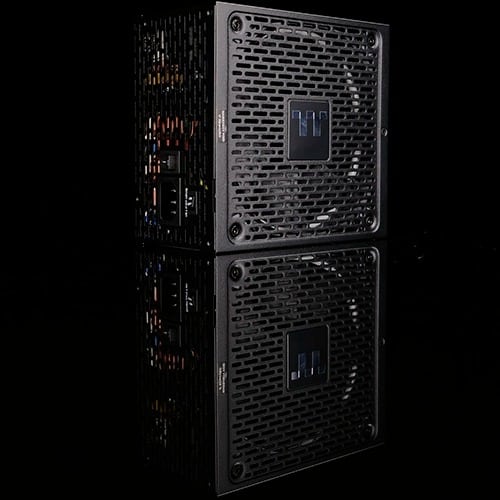
Imagine your computer's power supply as the silent, unsung hero of your digital world.
It’s not as flashy as a new graphics card or as exciting as a lightning-fast processor, but it's arguably the most crucial component.
Think of it like the main electrical panel for your entire home, but scaled down for your PC, tirelessly feeding every single component with the juice it needs to run.
Must Read
We often forget about this crucial box until something goes wrong, much like we only notice the quiet hum of our refrigerator when it suddenly stops.
The big question many folks grapple with, often late at night, is: What size power supply do I actually need?
It's less about technical jargon and more about finding that perfect fit, like a comfy pair of slippers after a long day.
The Case of the Fading Festivities (Too Little Power)
Let's tell a story about Leo, a budding digital artist with big dreams.
He'd just invested in a brilliant new monitor and a powerful drawing tablet, eager to bring his fantastical worlds to life.
His trusty old computer, however, started acting peculiar, like a car sputtering on an empty tank.
Every time Leo would zoom in on a detailed canvas or add a new layer, his screen would dim slightly, and the PC would hesitate.
It felt like walking uphill with heavy boots, a constant drag on his creative flow, making his artistic journey a frustrating one.
His old power supply was simply a garden hose trying to fill a swimming pool – simply not enough oomph for his ambitious new setup.
Or consider young Maya, an aspiring eSports champion in the making.
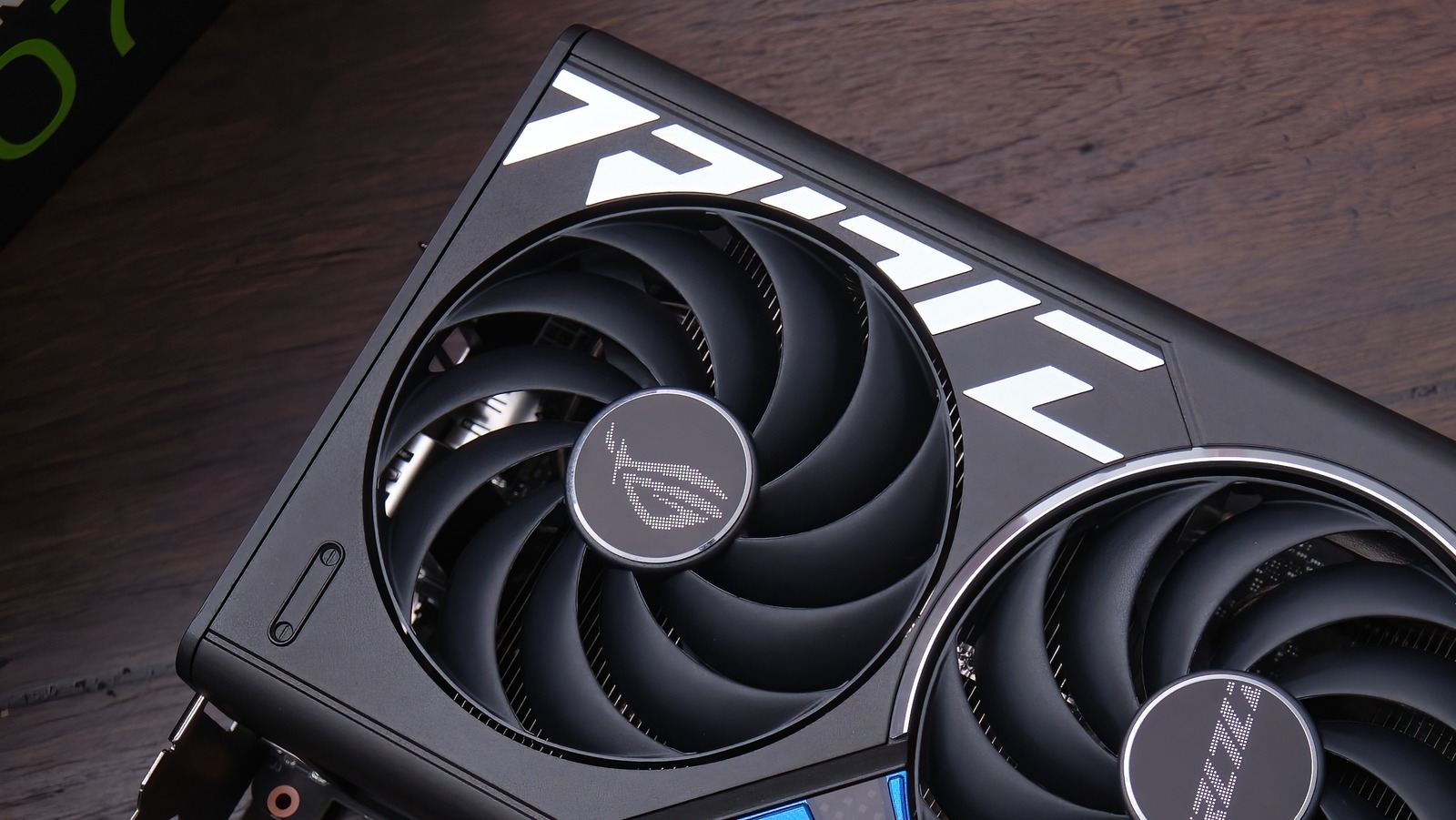
She saved up for months for a new, powerful graphics card, hoping to dominate her favorite online game.
But during the most intense moments, when the action got frenetic and the special effects exploded on screen, her entire computer would just… blink out.
A heartbreaking defeat, often just as she was about to land the winning blow, leaving her in frustrated silence.
Maya discovered her existing power supply was like trying to run a whole Christmas light display off a single AA battery; it just couldn't handle the demand when all those digital decorations lit up.
The consequence of too little power is often a subtle slowdown, or, more dramatically, a complete system crash, always at the worst possible moment.
When the Lights Go Out (More "Too Little")
It's a universal feeling of frustration when your tools fail you, especially when you've put your heart into an activity.
The computer wasn't broken, per se, but it was being starved, unable to perform its duties fully.
This is where the power supply's role becomes acutely, albeit painfully, clear: it's the lifeline, and a weak one causes despair.
Imagine preparing a grand feast, only to find you don't have enough oven space for all the delicious dishes.
Some things simply won't get cooked, or will be undercooked, much like your computer components underperforming.

A power supply that’s too small is a bottleneck, holding back the true potential of all your expensive and exciting components.
The Gentle Giant (Too Much Power)
Now, let's flip the coin. What about buying a power supply that's too big?
Is that even a problem? Surprisingly, not in the way you might think!
It's like buying a monster truck to commute to the grocery store; you've got enough power to tow a small house, but you're only carrying milk and bread.
Meet Brenda, who built her very first computer and, wanting to be absolutely safe, bought the largest, most powerful power supply she could find.
It was a truly magnificent piece of engineering, capable of powering a small data center, yet her computer was mostly used for spreadsheets and online shopping.
It was like having a personal chef on standby for a single packet of instant noodles; overkill, but certainly not harmful.
Unlike having too little power, which can lead to instability and crashes, having too much power is rarely a technical issue for your computer itself.
Your computer components will only draw the power they need, no more, no less.
The extra capacity simply sits there, like a generously sized spare tire you hope to never use.
The "Future-Proofing" Sweet Spot (Just Right, with a buffer)
While outright overkill can be a bit like overpaying for an empty parking spot, there’s a wonderful sweet spot where "too much" becomes incredibly smart.

This is where we talk about future-proofing, a strategy that brings a heartwarming sense of security.
It’s like having a big pantry for future guests, not just for today's meal, ensuring you're ready for whatever comes next.
A little extra "wiggle room" means you can upgrade your graphics card, add more hard drives, or install a new processor down the line without a hitch.
You won't have to worry about replacing your power supply every time you get a new gadget for your PC.
It’s about investing in peace of mind, knowing your digital engine won't sputter when you decide to add a turbo boost later.
"A little extra power now saves a lot of headaches later."
Finding Your Goldilocks Zone
So, how do you find this "just right" amount of power without getting bogged down in confusing numbers?
It's much simpler than it sounds; think about what your computer does for you.
Are you mostly checking emails, browsing funny cat videos, and doing light schoolwork? That's a small sip of power, like a leisurely stroll.
Are you a hardcore gamer, a video editor, or someone who designs intricate 3D models? You need the whole buffet, a full-throttle sprint.

Each "hungry" part inside your computer, especially the graphics card and the processor, needs its fair share of that precious digital sustenance.
Don’t worry about complicated math formulas; it's more like counting guests at a dinner party and estimating how much food you'll need.
Most reputable computer builders and online guides offer simple calculators or recommendations based on your main components.
A good rule of thumb, if you’re ever in doubt, is that a little extra capacity is always better than having just enough.
That extra buffer provides not just the ability to upgrade, but also a layer of stability and efficiency for your system.
The Happy Ending: Smooth Sailing
The joy of a perfectly powered machine is subtle, yet profound.
It’s the silent hum of reliability, the comfort of knowing your system is always ready for whatever you throw at it.
No more crashes during epic boss battles; no more frustrating lags when you’re on a creative roll.
Your computer becomes a dependable companion, like a well-oiled machine or a perfectly tuned orchestra, each part working in harmony.
This often-overlooked hero, the power supply, ensures that your digital tales end happily ever after, consistently delivering the power and stability you need.
It’s about making your computing experience seamless, enjoyable, and free from those pesky, power-related interruptions.