
What Size Of Wire For A Dryer

Alright, so you’ve got a new dryer, perhaps a shiny upgrade, or maybe you’re just moving into a new place and staring at that intimidating 240-volt outlet like it’s a portal to another dimension. Suddenly, a simple laundry appliance turns into an electrical engineering puzzle. And the question that invariably pops up, usually accompanied by a slight bead of sweat, is: "What size of wire do I need for this beast?"
Let's be real, plumbing, electrical work, anything involving a specific "gauge" or "amp" can feel like deciphering ancient hieroglyphs. But trust me, for your dryer, it’s not as scary as it sounds. Think of it less like rocket science and more like making sure you’ve got the right size straw for your milkshake.
The Big Gulp of Electricity: Why Wire Size Matters
Your dryer, bless its cotton-drying heart, isn't just sipping power; it's practically chugging a super-sized mega-gulp of it. Unlike your toaster or lamp, which are pretty chill about their electricity needs, a dryer requires a hefty dose of juice to generate all that heat and tumble your clothes into fluffy submission. We're talking about a significant amount of electrical current, measured in amperage.
Must Read
Imagine electricity as cars on a highway. The wire is the highway itself. If you have too many cars (amps) trying to squeeze onto a tiny, one-lane country road (a wire that’s too small), things are going to get ugly. Traffic jams, overheating, and eventually, a big, fiery mess. That’s why getting the right size wire isn't just about making your dryer work; it’s about keeping your house from becoming a bonfire for your socks.
The Magic Numbers: 30 Amps and 10-Gauge Wire
For most standard electric dryers in residential homes, you’re almost certainly looking at a circuit designed for 30 amps. This is the sweet spot, the Goldilocks zone for powering your average laundry appliance. And for a 30-amp circuit, the go-to wire size is a 10-gauge wire.

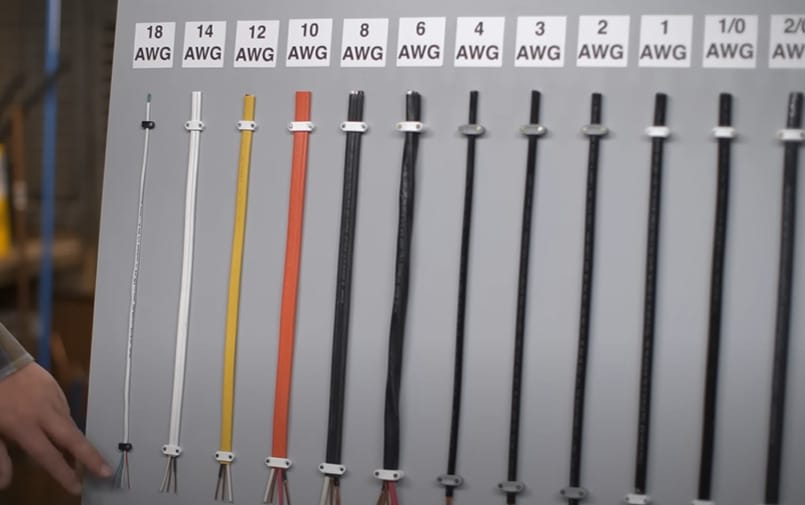
Now, here's where it gets a little counter-intuitive, just to keep us on our toes: with wire gauges, the smaller the number, the thicker the wire. So, a 10-gauge wire is thicker than, say, a 14-gauge wire. Think of it like a marathon runner: the lower their race number, the more elite they usually are. Or, if you prefer, think of it like those numbered weights at the gym – a '10' is lighter than a '20', but with wire, it's the opposite for thickness. Confusing, I know!
So, for your everyday, garden-variety dryer, you'll most likely need a 10-gauge wire. This wire is robust enough to handle the 30 amps your dryer demands without breaking a sweat (or melting, which is far less ideal).

The Circuit Breaker: Your Home's Electrical Bouncer
Every circuit in your house has a circuit breaker in your electrical panel. This is like the bouncer at the electricity nightclub. Its job is to ensure that no more power than intended flows through that particular circuit. If your dryer (or anything else) tries to pull too much juice, or if there's a short, the breaker says, "Whoa there, cowboy!" and trips, cutting the power. This is a good thing! It prevents damage and, more importantly, fires.
So, if you connect your 30-amp dryer with a wire that’s too thin (like a 12-gauge), two things could happen: either the wire itself could overheat and melt before the breaker even notices, or your breaker will be constantly tripping because the wire can't handle the load. Both scenarios are annoying at best, and downright dangerous at worst.
What About Super Duper Dryers or Gas Dryers?
A quick note: if you have a really fancy, super-sized, commercial-grade dryer that promises to dry your entire neighborhood's laundry in 10 minutes, it might require a 50-amp circuit and a 6-gauge wire. But honestly, that's pretty rare for standard homes. For 99% of us, 30 amps and 10-gauge is the answer.
And if you have a gas dryer, you still need an electrical connection, but it's typically just a standard 120-volt outlet (like for a lamp). This powers the controls, lights, and the igniter for the gas. The big heat comes from gas, not electricity, so you don't need the heavy-duty 240-volt circuit or a thick 10-gauge wire for the main power.
When in Doubt, Shout (for an Electrician!)
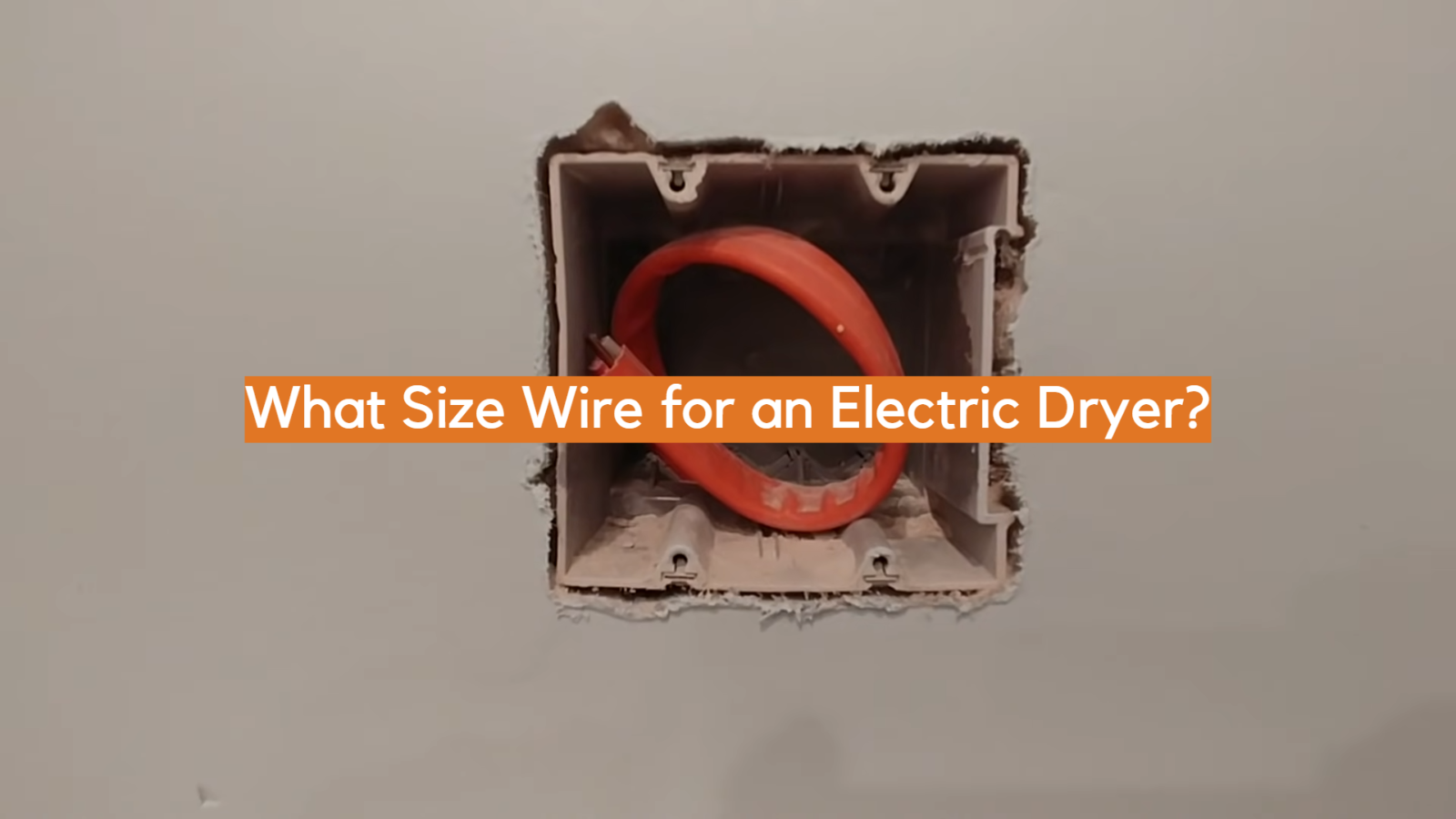
Look, I'm all for DIY, for that satisfying feeling of accomplishment. But when it comes to electricity, especially 240-volt circuits, it's not exactly a "throw caution to the wind" situation. If you're looking at your wiring and it feels like you're trying to perform open-heart surgery with a spork, that's your cue.
Seriously, if you're not 100% confident, if your house is older than dirt and has wiring that looks like it belongs in a museum, or if you just prefer peace of mind over a potential electrical saga, please call a qualified electrician. They can assess your existing wiring, recommend the correct wire and breaker, and install everything safely and to code. It's a small investment for the safety of your home and the smooth operation of your laundry routine.
So, there you have it! The mystery of dryer wire sizing, hopefully demystified and made a little less intimidating. Go forth, get the right wire, and enjoy your beautifully dry, non-electrically-hazardous clothes!