
What Size Of Generator Do I Need For My Home
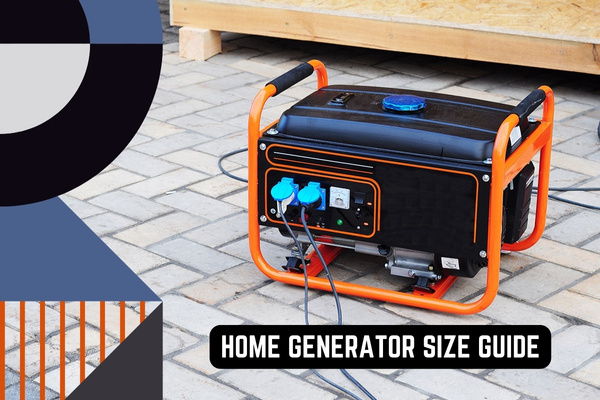
Alright, settle in, grab your metaphorical coffee (or actual coffee, I'm not judging), because we're about to tackle a question that’s plagued homeowners since… well, since the first time the power went out. We’re talking generators, baby! And specifically, "What size generator do I need for my home?"
Now, I know what you're thinking: "Generators? Sounds about as exciting as watching paint dry." But trust me, folks, the moment the lights flicker and die, and the fridge starts emitting ominous groaning sounds, a generator suddenly becomes the sexiest piece of machinery this side of a Ferrari. It's your knight in shining armor, your electrical Gandalf, your… okay, I'll stop. You get the picture.
The Watt's Up (With Your Needs)
First, let's talk watts. No, not the kind that make you say "Watt?!", but the kind that measure electrical power. See, everything in your house that plugs into the wall—lights, fridge, TV, your fancy electric toothbrush (because who doesn't have one these days?)—requires a certain number of watts to operate.
Must Read
Figuring out your generator size is like planning a potluck. You need to know how many people (appliances) are coming and how much each one eats (watts they consume). Underestimate, and you'll have hungry guests (a fridge full of melting ice cream). Overestimate, and you'll have enough leftovers to feed a small army (a generator that's costing you extra money and fuel).
So, how do you figure this out? Well, most appliances have a little sticker somewhere that lists their wattage. It might be on the back, the bottom, or even hiding inside a secret compartment guarded by a grumpy house elf (okay, maybe not that last one). Just look carefully!
Pro Tip #1: If the sticker only lists amperage (amps) and voltage (volts), you can easily calculate watts using this handy-dandy formula: Watts = Amps x Volts. Bam! You’re basically an electrical engineer now.

Starting vs. Running Watts: The Plot Thickens
Now, here's where things get a little tricky. Some appliances, like refrigerators and air conditioners, require a surge of power when they first start up. This is called "starting watts," and it's often much higher than their "running watts" (the power they need to keep humming along).
Imagine trying to push a car. Getting it rolling takes a lot of effort, right? But once it's moving, it's much easier to keep it going. Same principle applies to your appliances. You need a generator that can handle that initial burst of power.
Pro Tip #2: Pay close attention to the starting watts of your larger appliances, especially refrigerators, freezers, and air conditioners. These are the power hogs that can trip up an undersized generator.

The "Essentials Only" Approach (aka The Zombie Apocalypse Plan)
Let's be real, most of us don't need to power the entire house during an outage. We just need the essentials to survive (and maybe watch some Netflix – priorities!). This is where the "essentials only" approach comes in.
Make a list of the appliances you absolutely cannot live without: Refrigerator? Definitely. Lights? Probably. Internet router so you can keep up on cat videos? Absolutely essential. Electric can opener? Maybe not so much.
Add up the running watts of these essential appliances, and then add the starting watts of the largest appliance on the list. That's a good starting point for your generator size.
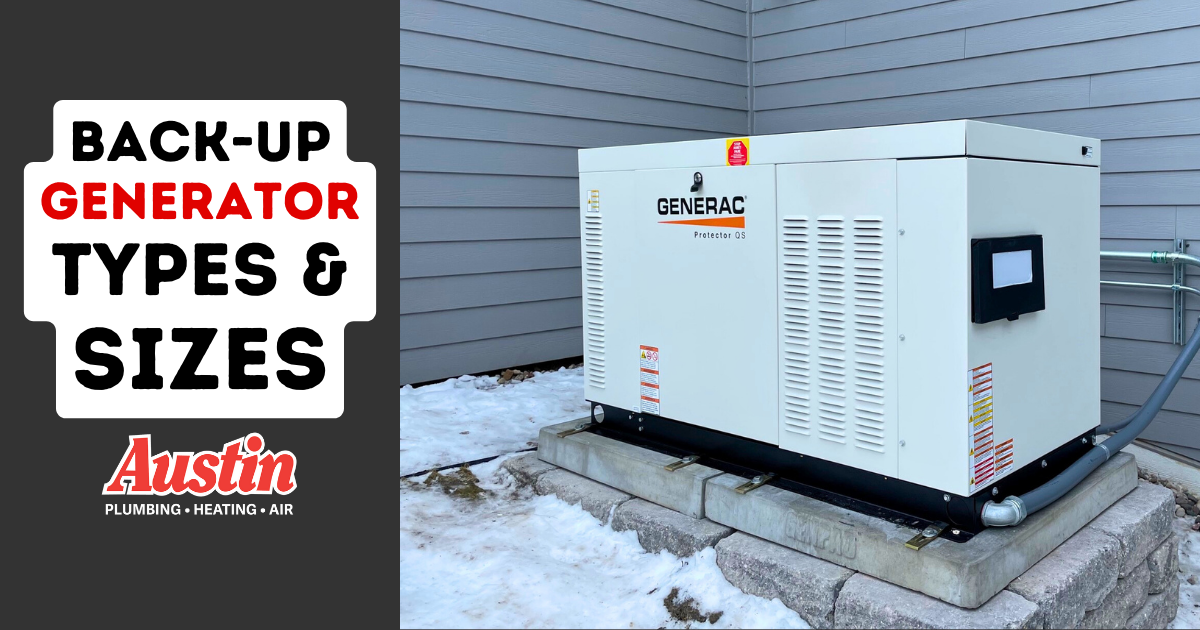
Example: Let’s say your essentials are a refrigerator (600 running watts, 1800 starting watts), a few lights (100 watts total), and a fan (50 watts). You’d need a generator that can handle at least 1800 (fridge starting watts) + 600 (fridge running watts) + 100 (lights) + 50 (fan) = 2550 watts. So, a 3000-watt generator would probably do the trick, giving you a little wiggle room.
Don't Be a Watt-chamacallit! (Oversizing vs. Undersizing)
Okay, so you've crunched the numbers, and you have a rough idea of the generator size you need. Now, should you go bigger or smaller? This is the age-old question that keeps generator salesmen up at night (probably not, but let's pretend).
Undersizing a generator is a recipe for disaster. It can damage your appliances, overload the generator, and leave you in the dark (literally). Don't do it!

Oversizing a generator, on the other hand, is less dangerous, but it can be wasteful. You'll be paying for more power than you need, and the generator might be less fuel-efficient. However, having extra capacity allows you to add appliances later and provides a safety net in case your calculations were a little off.
The sweet spot is usually a generator that's slightly larger than your calculated needs. This gives you some breathing room without breaking the bank.
The Final Verdict (and a Little Encouragement)
Choosing the right size generator can seem daunting, but it's totally doable. Take your time, do your research, and don't be afraid to ask for help from a qualified electrician or generator expert. And remember, even if you accidentally buy a generator that's slightly too small or slightly too big, it's still better than no generator at all when the lights go out and the ice cream starts to melt.
Now go forth and conquer the darkness! You've got this!