What Size Miter Saw Do I Need
Ever gazed upon a beautifully crafted picture frame, a perfectly fitted shelf, or a custom piece of trim, and wondered at the precision? There’s a quiet magic in those clean, angled cuts that transform ordinary lumber into something extraordinary. This magic is often the handiwork of a miter saw, a tool that might seem intimidating at first glance but is, in reality, a creative enabler for anyone with a spark of DIY ambition. It’s not just for professional carpenters; it’s for the artist dreaming of framing their own canvases, the hobbyist building miniature worlds, and the casual learner eager to add a personal touch to their home.
The miter saw brings unparalleled accuracy to your projects, allowing you to cut precise angles for perfect joints every time. This means no more crooked frames or wobbly shelves! For artists, this translates to beautifully mitered frames that elevate their work, giving it a gallery-ready finish. Hobbyists will find it indispensable for creating intricate boxes, dollhouse furniture, or even detailed models, where every millimeter counts. Casual learners will discover a newfound confidence in tackling home improvement tasks, from installing baseboards to building custom storage solutions. It’s about transforming your vision into reality with cuts so clean, they almost sing.
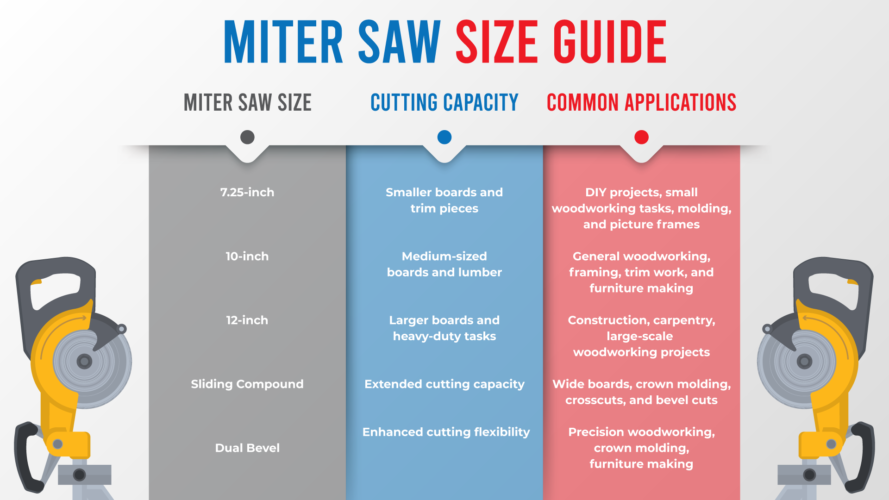
So, what size miter saw do you actually need? The most popular options are 10-inch and 12-inch, referring to the diameter of the blade. For many common projects like elegant picture frames, small decorative boxes, shadow boxes, or even intricate trim work around windows and doors, a 10-inch miter saw is often the perfect companion. Its lighter weight and smaller footprint make it ideal for workshops where space is at a premium. If your ambitions stretch to wider materials – think chunky shelving units, deck boards, larger crown molding, or substantial furniture components – then a 12-inch miter saw, especially a sliding model, offers the increased cross-cut capacity you’ll appreciate. The sliding feature dramatically increases the width of the material you can cut in a single pass, making it incredibly versatile.
Must Read
Ready to bring this precision to your own projects? Here are a few lighthearted tips for trying it at home. First, think about your typical projects. Are you a meticulous crafter, or do you dream in large-scale furniture? This will guide your decision on blade size and whether a sliding feature is a must-have. Second, measure the widest board you anticipate cutting. A 10-inch non-sliding saw might handle a 2x6, while a 12-inch sliding saw could tackle a 2x12 or wider. Third, consider your available space and budget. A 10-inch non-sliding compound miter saw is often an excellent, more affordable entry point, offering plenty of versatility for most home DIYers. Always, always, read the manual thoroughly and wear appropriate safety gear—eye protection is non-negotiable! Start with scrap wood to get a feel for the tool and its capabilities before moving to your main project.
Ultimately, a miter saw isn't just a power tool; it's a gateway to a new level of creative expression. The joy comes from the satisfaction of perfect joints, the pride in a project that looks professionally made, and the sheer delight of bringing your ideas to life with such crisp precision. It empowers you to build, create, and customize with confidence, turning daunting tasks into delightful accomplishments. Once you experience the magic of a perfectly mitered corner, you’ll wonder how you ever lived without it!