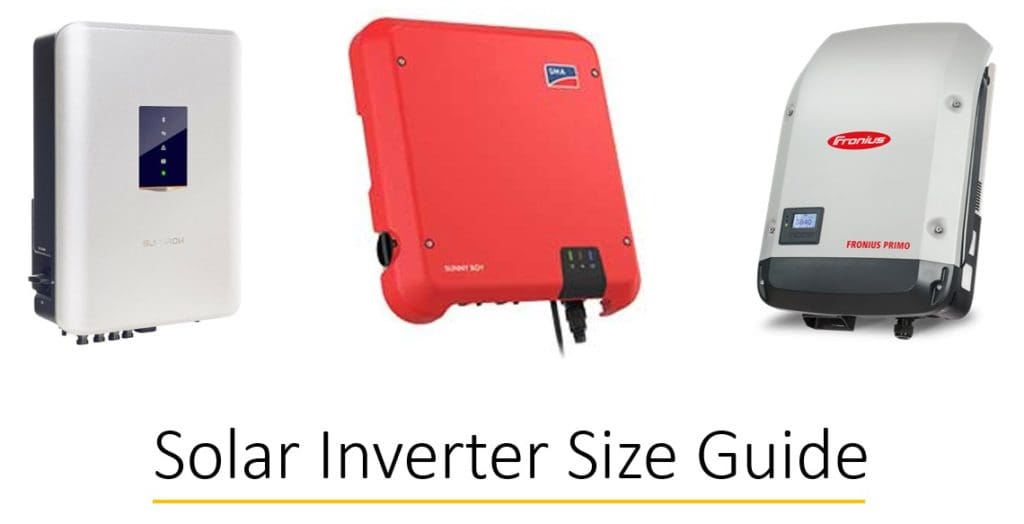
What Size Inverter Do I Need For Solar Panels
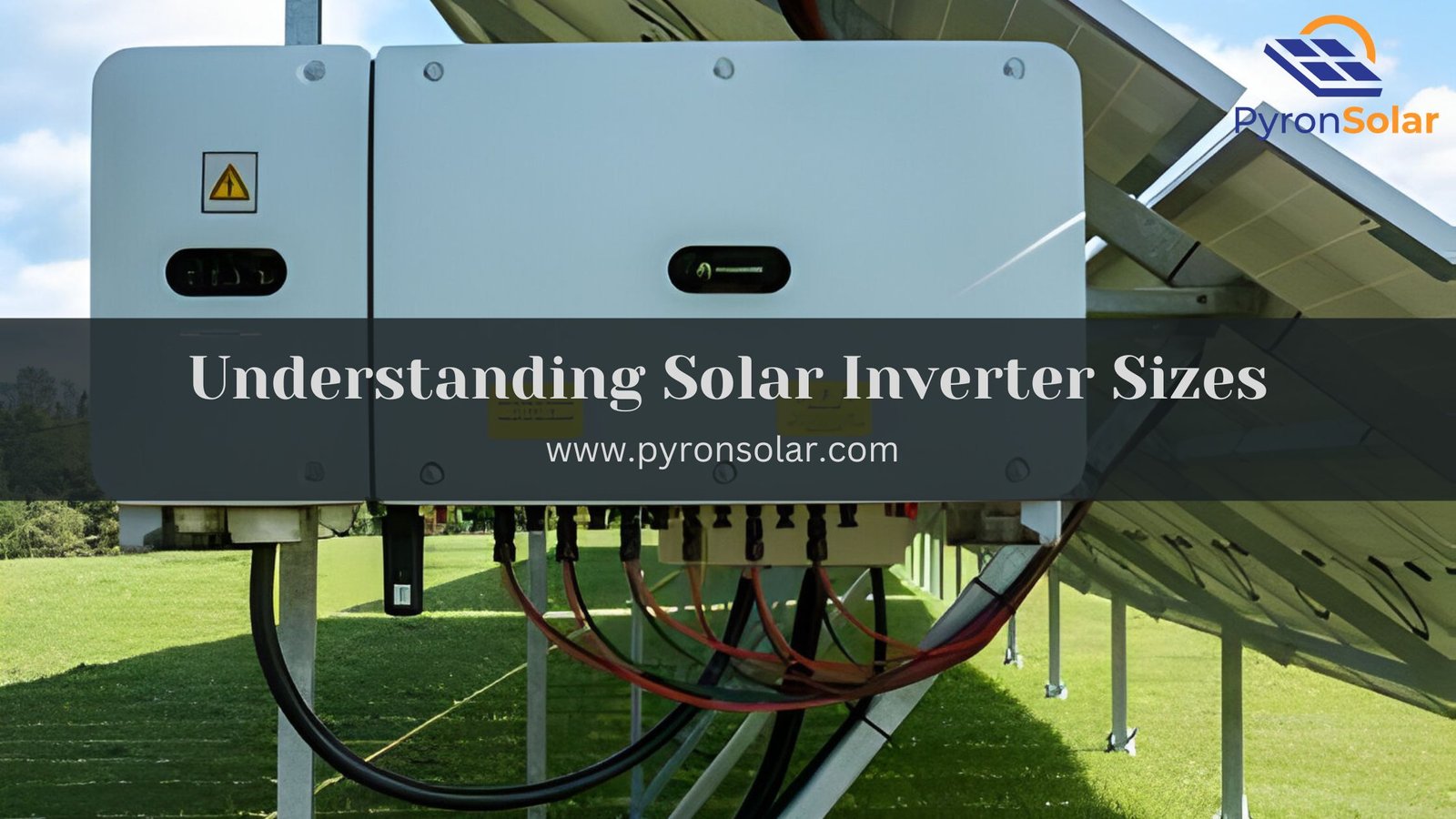
Okay, so you're thinking about getting solar panels? Awesome! You're about to join the cool kids club of energy independence. But before you start picturing yourself swimming in a Scrooge McDuck-style vault of savings (let's be real, it'll probably be more like paying off bills with a smug grin), there's a little techy detail we gotta nail down: the inverter. Think of it as the translator between your solar panels' language (DC electricity) and your house's language (AC electricity). Getting the right size inverter is crucial; otherwise, it's like trying to fit an elephant into a Mini Cooper. Things just ain't gonna work right.
What's an Inverter Anyway? (The Short, Sweet Version)
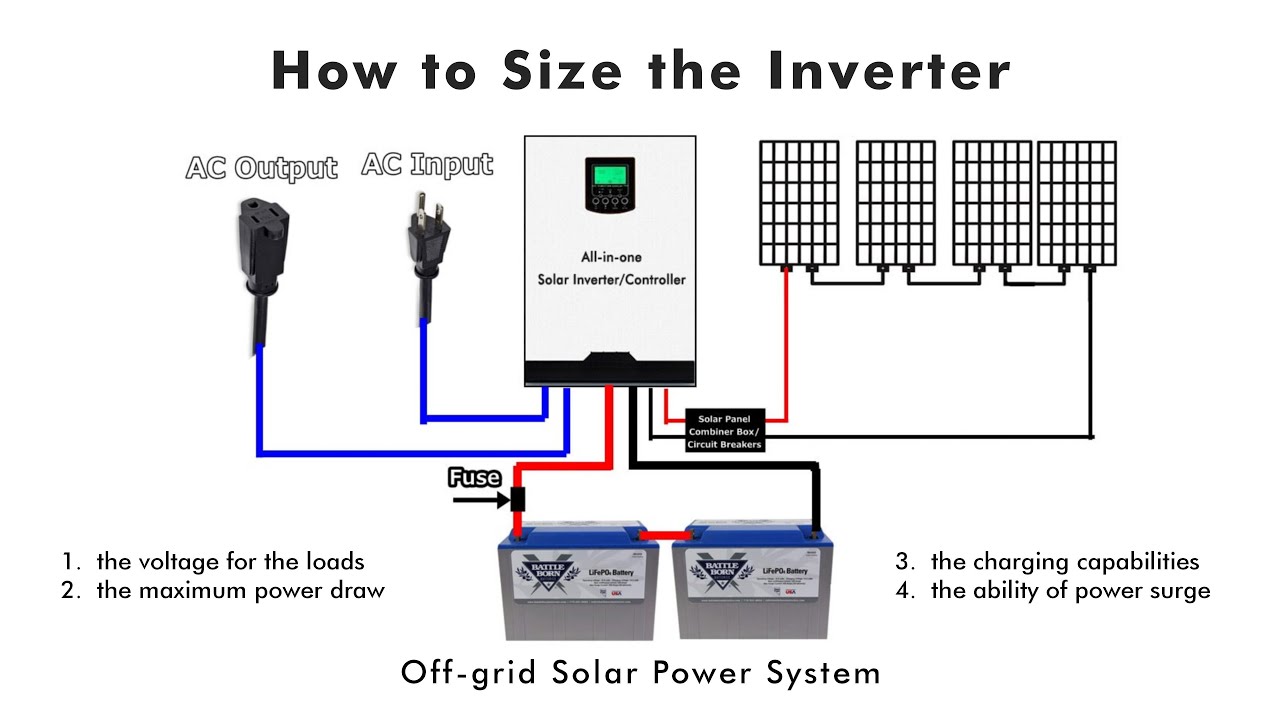
Imagine your solar panels are like a team of eager beavers, constantly gnawing away and generating electricity. That electricity is in DC format, which is like speaking Beaver-ese. Your house, on the other hand, only understands AC, which is like...English, I guess? The inverter is the diligent interpreter, seamlessly converting all that Beaver-ese into perfectly understandable English so your fridge can keep your beer cold and your TV can keep you entertained. Without it, you'd have a lot of potential energy sitting around doing absolutely nothing. Sad beaver noises indeed.
So, How Big Should My Inverter Be? (The Not-So-Scary Math)
This is where things can seem a little intimidating, but don't sweat it. It's not rocket surgery, just a little bit of friendly math. Basically, you need to match your inverter size to the output of your solar panel array. Think of it like this: you wouldn't hook up a tiny kiddie pool pump to a giant Olympic-sized swimming pool, right? It would take forever to fill and probably burn out the poor little pump.
Must Read
The golden rule is that your inverter should be somewhere around 75% to 100% of your solar panel array's total wattage. Let's say you're installing a 6kW (kilowatt) solar panel system. That means your inverter should ideally be somewhere between 4.5kW and 6kW. Why the range? Well, sometimes oversizing the inverter slightly (going a little bigger than your array's output) can be beneficial, especially if you plan on adding more panels later. It's like buying pants that are a size too big – better to have a little room to grow into than to be busting at the seams after Thanksgiving dinner!

Don't just grab any old inverter! Consult with your solar installer (the pros!) for specific recommendations. They'll take into account factors like your roof's orientation, shading, and your local climate to make sure you get the perfect match. They're like the personal shoppers of the solar world, guiding you to the perfect fit.
What Happens If My Inverter Is Too Small?
If your inverter is too small for your solar array, you run into a problem called "clipping." Imagine your solar panels are throwing a wild party, generating tons of electricity, but your tiny little inverter can only handle so many guests. The excess electricity gets, well, clipped off. It's like throwing a pizza party but only having enough plates for half the people – total party foul! You're losing potential energy (and money!) which is a bummer.
What Happens If My Inverter Is Too Big?
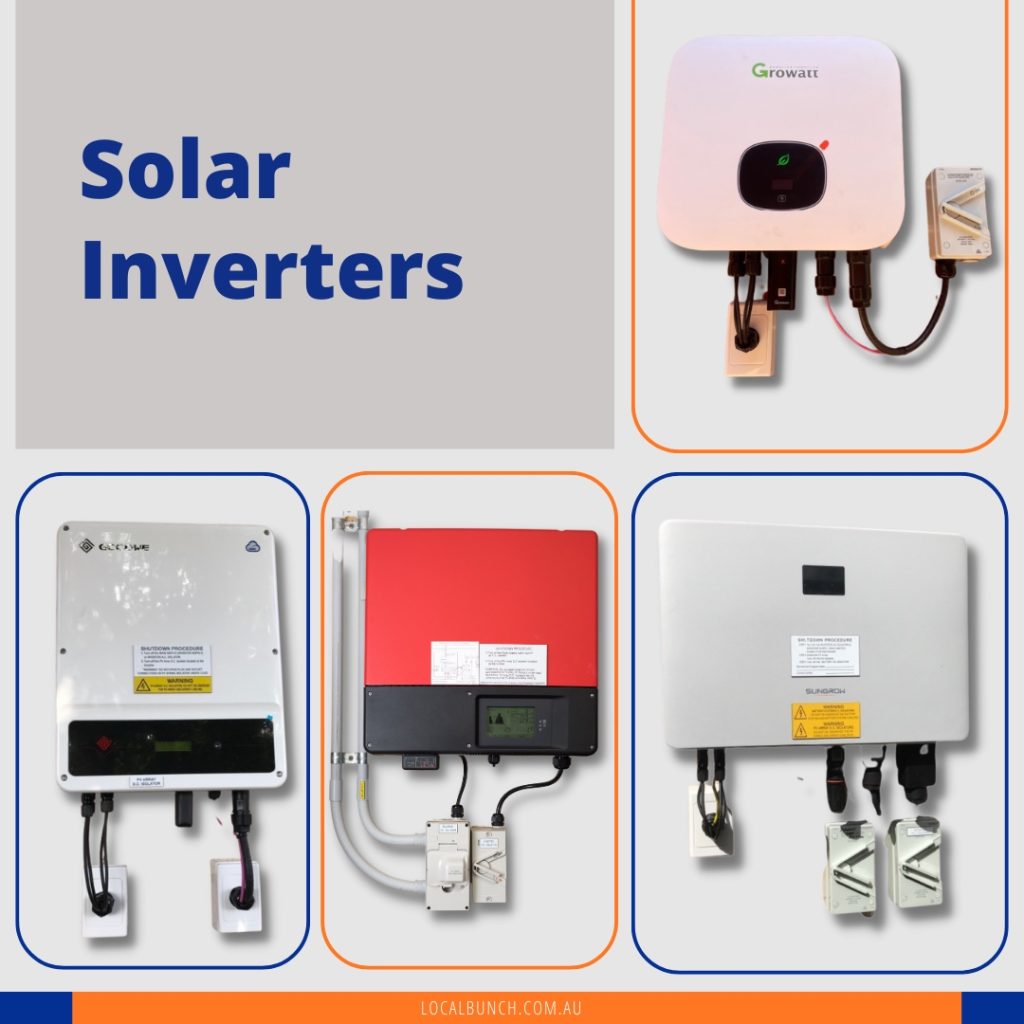
Oversizing isn't terrible, but there can be some downsides. Think of it like buying a giant industrial-sized blender to make a single smoothie. It'll work, but it's overkill, wastes energy, and likely cost you a lot more. An oversized inverter can be less efficient at lower power levels, potentially costing you money in the long run. Plus, you paid extra for capacity you aren't even using!
In Conclusion: Get it Right, Get it Bright!
Choosing the right size inverter for your solar panel system is key to maximizing your investment and keeping your solar setup running smoothly. So, do your research, talk to the experts, and don't be afraid to ask questions. After all, you're about to harness the power of the sun – you deserve to do it right! And who knows, maybe one day you will have that Scrooge McDuck vault of savings. Now that's a bright idea!