What Size Generator To Run Rv Air Conditioner
Okay, picture this: you're nestled in your RV, somewhere gorgeous. Birds are chirping, the sun is shining... but it's HOT. Sticky-shirt, can't-breathe, melting-ice-cream hot. That's where your RV's air conditioner becomes your absolute best friend. But here's the thing: it needs power! And that's where the generator comes in. So, what size generator do you need to keep your cool on wheels? Let's dive in, because this is way more exciting than it sounds!
The Great Air Conditioner Power Grab
RV air conditioners are power-hungry beasts. They're not just sipping electricity; they're gulping it down, especially when they first start up. That initial surge of power, called the "starting wattage," is what you really need to worry about. It's like a sprinter exploding off the blocks – a lot of energy all at once.
So, how do you find out how much juice your AC needs? Check the label! Seriously, it’s usually right on the unit. Look for the running wattage (what it uses to keep cool) and the starting wattage (that initial power burst). Don't skip this step! It's like trying to bake a cake without a recipe. Disaster awaits.
Must Read
Most RV air conditioners are either 13,500 BTU (British Thermal Units) or 15,000 BTU. A 13,500 BTU AC unit will generally need around 1700 running watts, and a starting surge of around 2200 watts. A 15,000 BTU unit? Expect to see something closer to 2000 running watts and a starting surge of maybe 3000 watts. But remember, these are just estimates. Your AC unit might be different. That label is your guiding star.
Generator Sizing: Not as Boring as it Sounds!
Now that you know how much power your AC demands, let's talk generators. You need a generator that can handle that starting wattage without breaking a sweat. Think of it as inviting a bunch of friends over for a party. You need enough chairs, right? Same with a generator and watts.

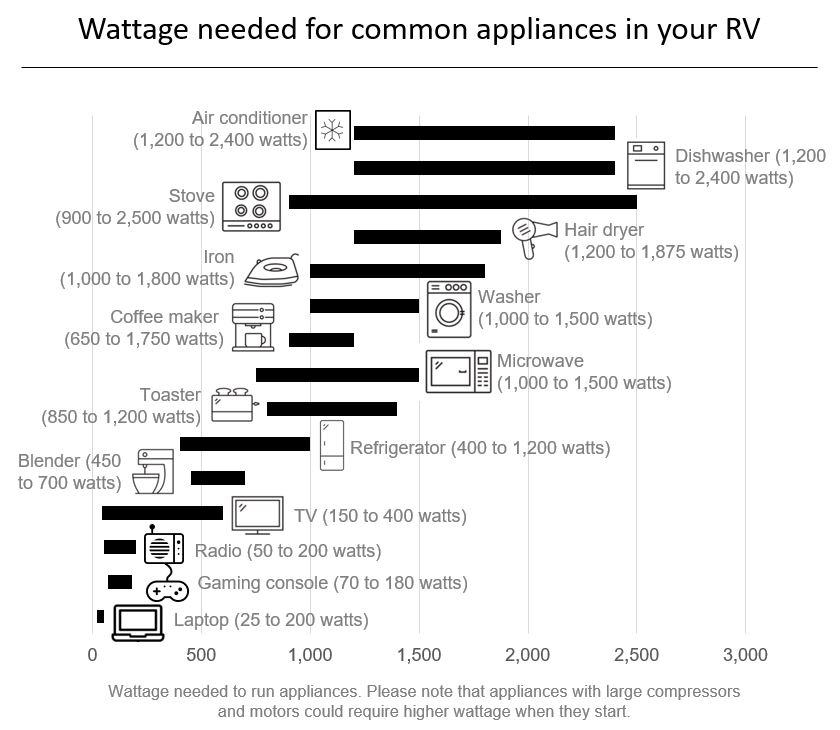
As a general rule of thumb, a 3000-watt generator should be able to handle most 13,500 BTU RV air conditioners. For a 15,000 BTU unit, you might want to bump up to a 3500-watt or even a 4000-watt generator. But before you rush out and buy the biggest generator you can find, consider what else you'll be running. Will you also need to power a fridge, a TV, or a microwave? Add up the wattage of all those appliances, and make sure your generator can handle the combined load.
Don't forget to leave yourself some wiggle room! Overloading a generator is a surefire way to shorten its lifespan (and potentially ruin your RV's electrical system). It's better to have a generator that's slightly too big than one that's constantly struggling.

The Quirky World of Soft Starters
Want to make things even more interesting? Enter the soft starter. This nifty little device reduces the starting surge of your air conditioner, allowing you to use a smaller generator. It's like putting your AC on a diet, making it easier to start up. Some people swear by them, others think they're unnecessary. Do your research and see if a soft starter is right for you.
Think of it this way: a soft starter is like teaching your AC to start a marathon at a jog, instead of a full-blown sprint. This means less initial strain on your generator.
The Bottom Line (and It's Not About Generators)
Choosing the right size generator for your RV air conditioner isn't just about watts and BTUs. It's about freedom! It's about being able to camp anywhere you want, without being tethered to shore power. It's about staying cool and comfortable, no matter how hot it gets outside. It's about enjoying the RV life to the fullest!
So, grab that flashlight, find the label on your AC unit, and start crunching those numbers. It might seem a little daunting at first, but trust me, it's worth it. Once you've got the right generator, you'll be ready to conquer any campsite, and look like a total pro while doing it. And remember, a little planning now saves a whole lot of sweaty misery later. Happy camping!
Disclaimer: This article is for informational purposes only. Always consult with a qualified electrician or RV technician before making any electrical modifications to your RV. Your specific needs may vary.