What Size Generator Is Needed To Run A Whole House
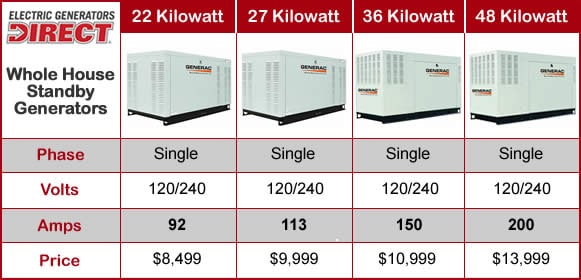
Power outages. They’re the bane of modern existence, disrupting everything from movie nights to crucial work deadlines. More and more homeowners are considering whole-house generators as a way to keep the lights on, the fridge running, and life humming along smoothly. But before you rush out and buy the biggest, baddest generator on the market, you need to figure out what size you actually need. Think of it like picking the right paintbrush – too small, and you can't cover the canvas; too big, and you're wasting resources!
For the creatively inclined, a whole-house generator offers a unique advantage: uninterrupted creative flow. Imagine an artist engrossed in a painting, a hobbyist tinkering with an intricate model train layout, or a casual learner deep in an online coding course – all powered down mid-stride. A generator ensures that inspiration doesn't get short-circuited by a power outage. No more lost projects, unsaved files, or abruptly ended creative sessions!
Think of the possibilities. A ceramic artist could continue firing their kiln, ensuring a perfect glaze. A musician could keep recording their latest track, capturing that fleeting moment of inspiration. A woodworker could safely operate power tools, finishing a project despite a storm raging outside. Even simple hobbies like knitting or jigsaw puzzles become more enjoyable knowing a sudden darkness won't send you scrambling for candles. Generators also allow for climate control, protecting sensitive art supplies and instruments from temperature and humidity fluctuations during extended outages.
Must Read
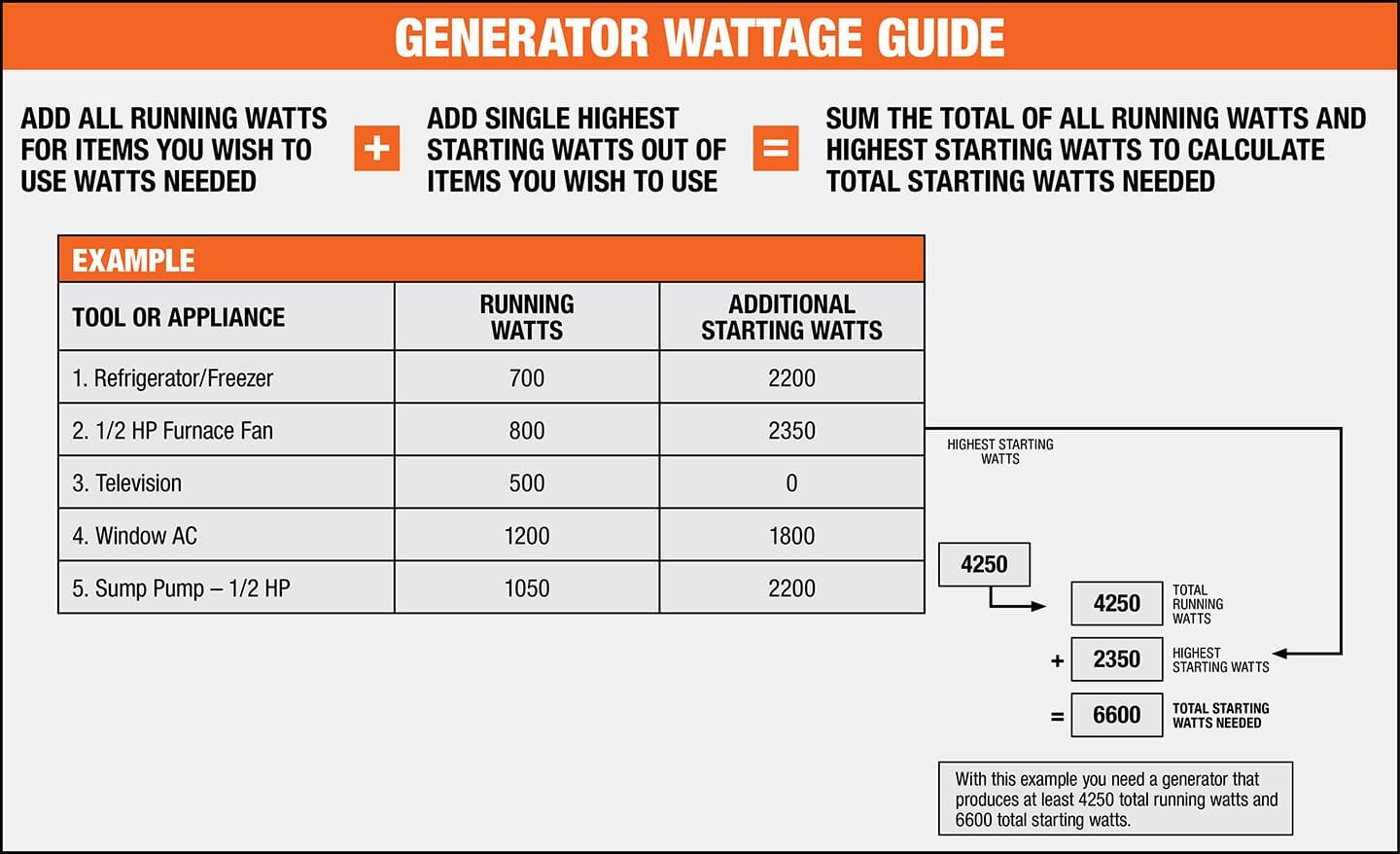
So, how do you determine the right size generator for your needs? The key is to calculate your total wattage demand. Start by listing all the appliances and devices you want to run during an outage. Include the wattage for each, paying special attention to larger appliances like refrigerators, air conditioners, and electric water heaters. These often have a higher "starting wattage" than their running wattage, which needs to be factored in. You can usually find the wattage information on the appliance's label or in its manual. Once you have a list, add up the wattage of everything you want to run simultaneously. As a rule of thumb, add a safety margin of around 10-20% to this total to account for unexpected surges.
Remember to consider different types of generators. Portable generators are less expensive and easier to install, but they typically require manual starting and refueling. Standby generators are permanently installed and automatically kick on when the power goes out, offering more convenience but at a higher cost. Consider your budget, power needs, and comfort level when making your decision.
Tips for Trying It At Home (Research, Not Installation!):
- Start by making a list of your essential appliances and their wattage.
- Use an online wattage calculator to get a rough estimate of your power needs.
- Talk to a qualified electrician about your specific situation and get professional advice.
- Research different generator brands and models to find one that fits your budget and needs.
Ultimately, investing in a whole-house generator is about more than just keeping the lights on. It's about maintaining a sense of security, independence, and control in the face of unexpected circumstances. For artists, hobbyists, and anyone who values uninterrupted creative time, it's an investment in their passion. And let's be honest, who doesn't enjoy the peace of mind knowing they can weather any storm, both literally and figuratively, while continuing to pursue their favorite activities?