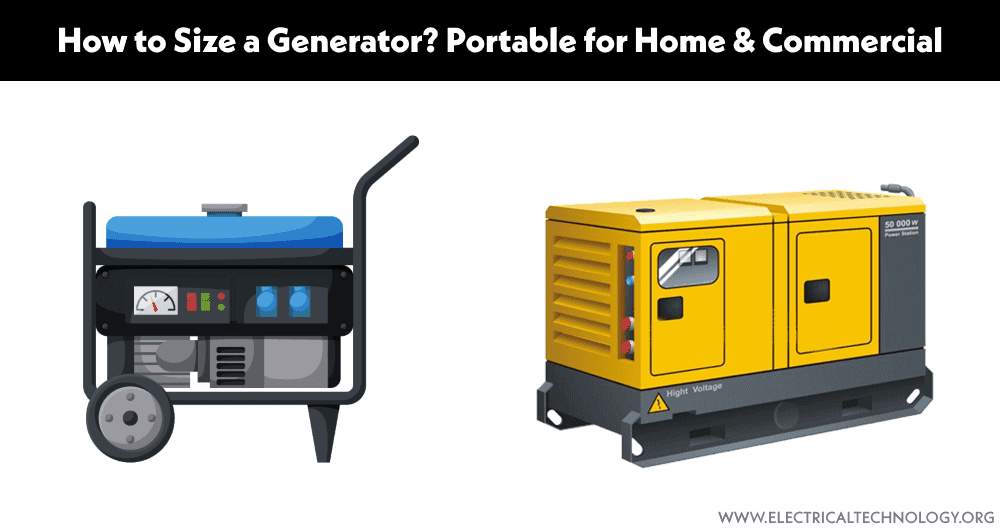
What Size Generator Is Needed To Power A House
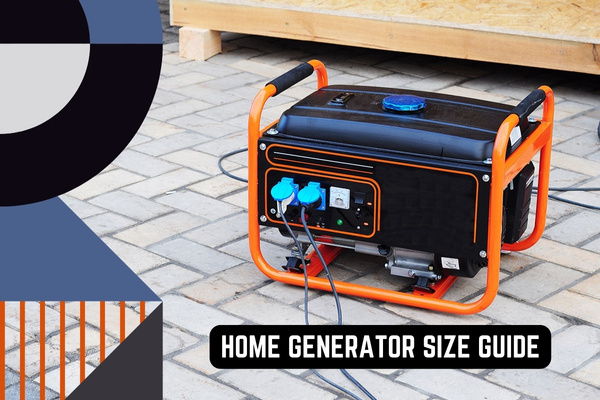
Let's face it, power outages are no fun. They can strike at any time, leaving you in the dark, disconnected, and potentially uncomfortable. But fear not! The solution? A trusty generator. But before you rush out and buy the biggest, loudest beast on the market, let's talk about figuring out what size generator you actually need to power your house. Think of it as a fun little math puzzle with the ultimate reward of keeping the lights on!
So, why bother figuring out the right size? Well, a generator that's too small will constantly struggle and potentially damage your appliances. A generator that's too big is just wasteful – like using a fire hose to water a houseplant. Getting it just right ensures you have reliable backup power without breaking the bank or unnecessarily burning fuel.
The primary purpose of a generator is to provide electricity when the grid fails. The benefits are numerous: keeping your refrigerator running (say goodbye to spoiled food!), powering essential medical equipment, staying connected to the world through the internet, and simply maintaining a sense of normalcy during a disruptive event. It's about peace of mind and a safety net for you and your family.
Must Read
Okay, let's get down to business. How do you determine the right size? The key is understanding watts. Think of watts as the “energy currency” your appliances need to operate. Every appliance has a wattage rating, usually found on a sticker or plate on the back or bottom. This tells you how many watts it needs to run.
Step 1: Make a List. Walk through your house and identify the appliances you absolutely need to run during an outage. This might include the refrigerator, freezer, lights, furnace (if it's gas and uses electricity for the blower), sump pump, and maybe a TV or computer. Be realistic! You probably don't need to power the jacuzzi.

Step 2: Add Up the Running Watts. For each appliance on your list, find its running watts (also called rated watts) and add them together. This gives you the minimum wattage your generator needs to supply.
Step 3: Account for Starting Watts. This is where it gets a little trickier. Some appliances, especially those with motors (like refrigerators, freezers, and air conditioners), require a surge of power to start up. This is called the starting wattage, and it's often much higher than the running wattage. You can usually find the starting wattage listed, but if not, a good rule of thumb is to multiply the running wattage by 2 or 3 for appliances like refrigerators and freezers. For air conditioners, it can be even higher.

The easiest way to deal with starting watts is to choose the appliance with the highest starting wattage and add that to your total running watts. For example, if your total running watts are 3000 and your refrigerator has a starting wattage of 2000 (even though its running wattage is only 200), you'll need a generator that can handle at least 5000 watts.
Step 4: Add a Safety Margin. It's always a good idea to add a little extra headroom – say, 10-20% – to your total wattage requirement. This prevents the generator from being overloaded and gives you some flexibility to add a small appliance later.
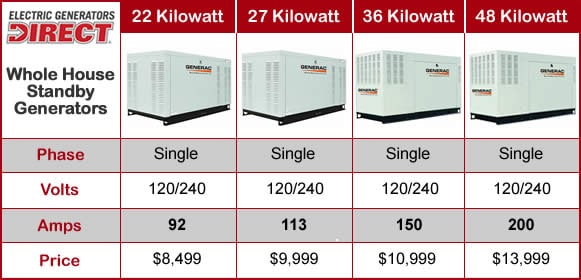
In summary: List essential appliances, find their running watts, estimate starting watts (focusing on the highest surge), add them all together, and add a safety margin. Now you have a good idea of the size generator you need. Remember to consult with a qualified electrician for professional advice and to ensure safe installation.
Choosing the right generator size might seem daunting at first, but with a little planning and these simple steps, you can ensure you're prepared for the next power outage and keep the lights – and everything else – running smoothly. Happy generating!