
What Size Generator Do I Need For Refrigerator
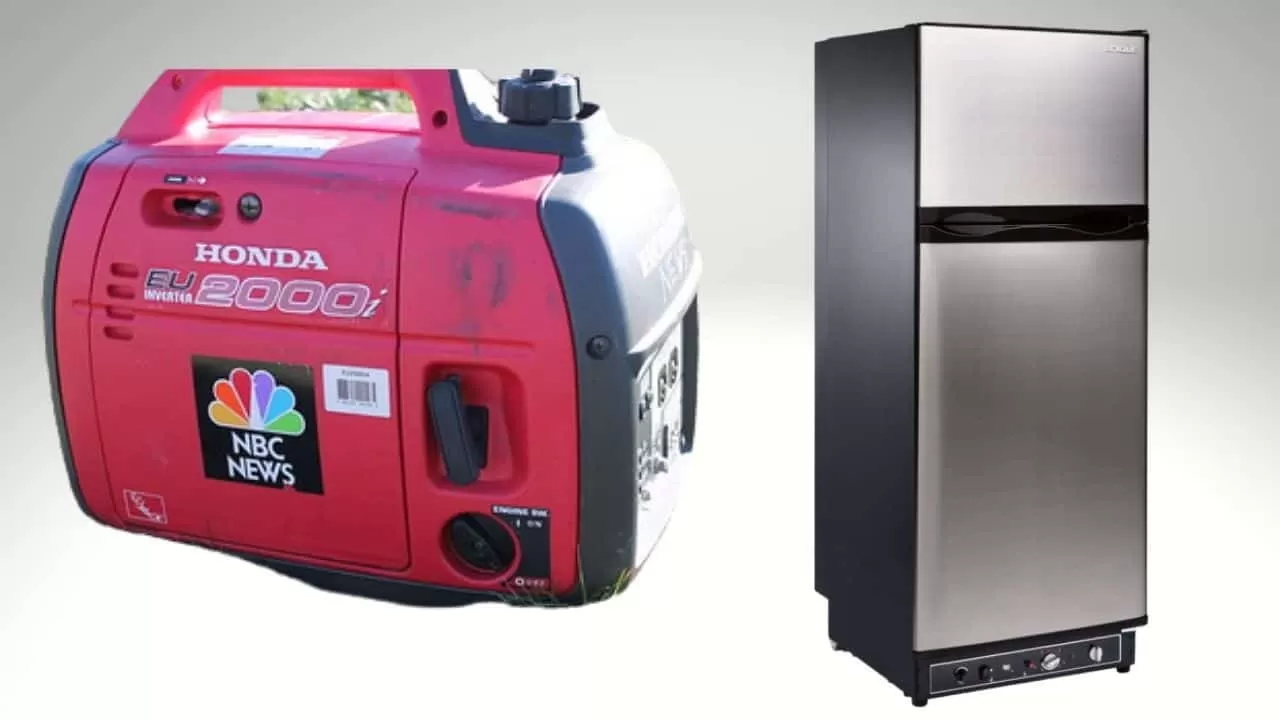
Picture this: A summer storm rolls in, the power lines groan, and suddenly – darkness. You’re not worried; you've got a generator! But is it up to the challenge of keeping the heart of your kitchen, your trusty refrigerator, humming?
Choosing the right generator size for your fridge can feel like deciphering ancient hieroglyphics. Fear not! We're here to break it down, sans the headache and overflowing with delightful analogies.
The Fridge: A Power-Hungry Beast?
Your refrigerator, that silent sentinel of snacks and leftovers, is deceptively complex. It's not just a box that keeps things cold; it's a mini-engineering marvel, powered by a compressor, fan motors, and sometimes even fancy ice makers.
Must Read
This means it requires a certain amount of power to start up (starting watts) and a lesser amount to keep running (running watts). Think of it like a car: it needs more juice to get going than to cruise down the highway.
Decoding the Wattage Mystery
Where do you find these mysterious wattage numbers? Look for a sticker, usually located inside the fridge near the light or on the back panel. This sticker should list the refrigerator's wattage or amperage.
If you find the amperage (amps), don't panic! You can easily convert it to watts using a simple formula: Watts = Amps x Volts. In most homes, voltage is around 120 volts.
So, if your fridge says it draws 5 amps, that's 5 amps x 120 volts = 600 watts. But wait! There's more to the story.
The Startup Surge: A Shocking Revelation
Remember that initial burst of power your fridge needs to start? This is the starting wattage, and it's typically much higher than the running wattage.
This surge can be two to three times the running wattage. So, a fridge that runs on 600 watts might need 1200 to 1800 watts to start! This is crucial to consider when choosing a generator.
Imagine trying to start a motorcycle with a AA battery. You need that extra oomph! Your generator needs to provide that oomph for your fridge.
The "Add-Em-Up" Method: Simple Math for the Win
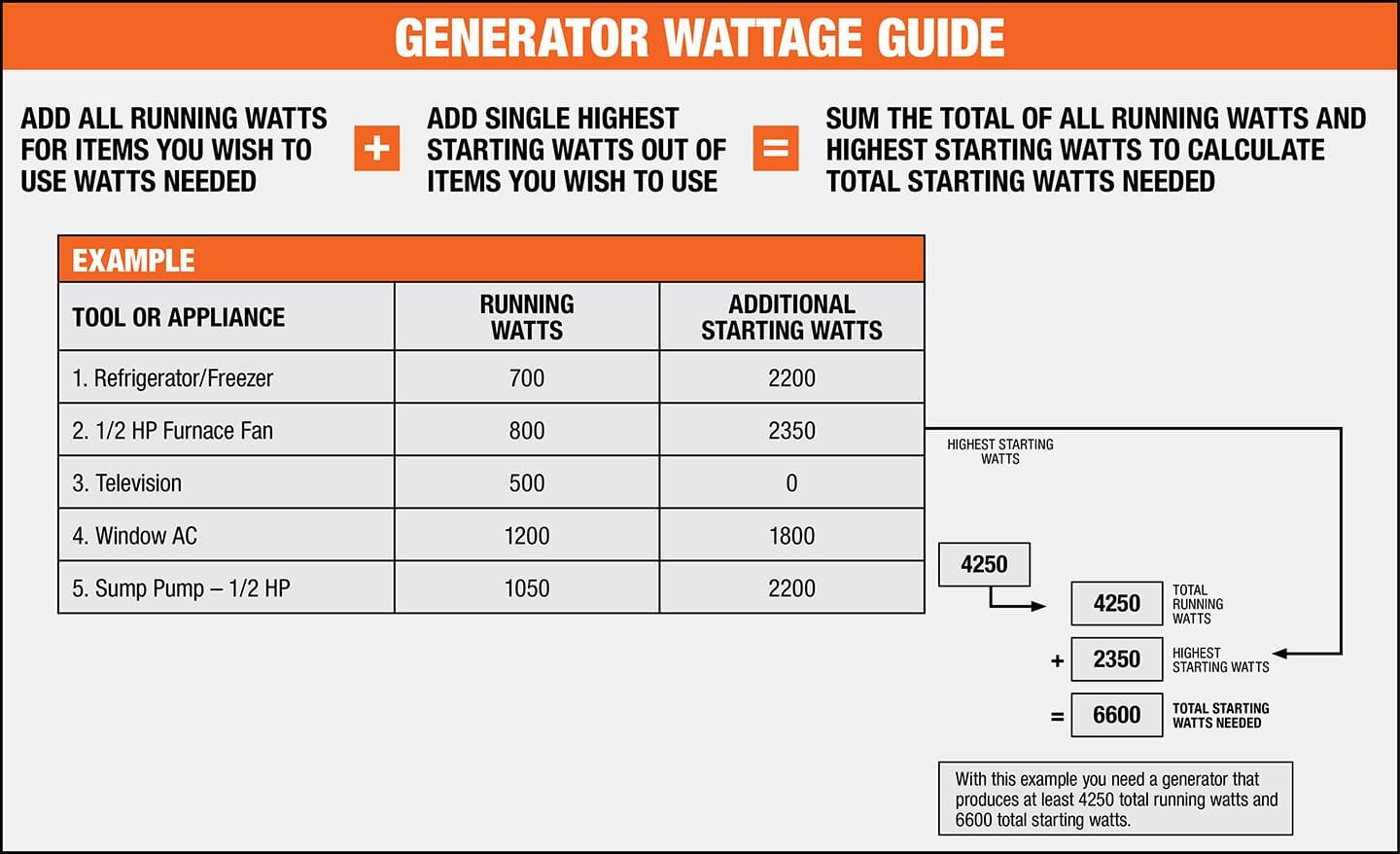
Here's the most straightforward way to figure out what size generator you need: Add up the running watts of all the appliances you want to power simultaneously during a power outage.
Then, identify the appliance with the highest starting wattage (likely your refrigerator) and add that to the total. This is a good estimate of the generator size you need. Don't forget to factor in the starting wattage.
For example: You want to power your fridge (600 running watts, 1800 starting watts) and a lamp (100 running watts). Total running watts are 700. Add the fridge's starting wattage (1800) and you get 2500 watts. A 2500-watt generator should do the trick!
Beyond the Fridge: Powering Your Peace of Mind
While keeping your food cold is essential, you might want to power other necessities during an outage. Consider lights, phone chargers, a radio, or even a small fan.
Each of these devices adds to the wattage load on your generator. Being realistic about your power needs will prevent disappointment and ensure a smoother experience during a blackout.
Think about it. Are you going to be wanting to watch TV? That's needs to be added. Just keep in mind of the additional load.

A Little Extra Room: The Safety Buffer
It's always a good idea to have a little extra wattage capacity in your generator. This provides a safety buffer and prevents you from overloading the generator, which can damage it.
Aim for a generator that's 10-20% larger than your calculated needs. So, if you calculated 2500 watts, consider a 2750 or 3000-watt generator. Just in case!
Overloading a generator is like running a marathon without training. It will fail.
Generator Types: Fueling Your Choices
Generators come in various types, each with its own pros and cons. Portable generators are a popular choice for home use, running on gasoline, propane, or even dual fuel.
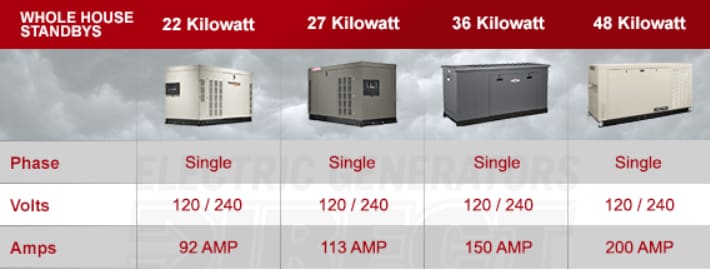
Inverter generators are quieter and produce cleaner power, making them ideal for sensitive electronics. Standby generators are permanently installed and automatically kick in during a power outage.
Consider your budget, power needs, and noise tolerance when choosing a generator type. A little bit of research goes a long way.
Fueling the Fridge (and the Fun)
Don't forget about fuel! Make sure you have an adequate supply of gasoline, propane, or whatever fuel your generator requires. Store fuel safely and according to manufacturer's instructions.
Running out of fuel in the middle of a power outage is a recipe for disaster (and potentially spoiled food!). Plan ahead and be prepared.
Imagine a cold night without any fuel. That's terrible!
Safety First: A Shocking Reminder
Generators produce carbon monoxide, a deadly, odorless gas. Never run a generator indoors or in a garage attached to your home.
Operate the generator in a well-ventilated area, away from windows and doors. Install carbon monoxide detectors in your home to protect your family.
Safety is more important than the convenience of a generator. Always follow the manufacturer's instructions and take precautions.
Extension Cord Considerations
Use heavy-duty extension cords rated for outdoor use to connect appliances to the generator. Avoid using multiple extension cords plugged together, as this can create a fire hazard.
Check the wattage rating of the extension cord to ensure it can handle the load. A too-small extension cord is like a traffic jam for electricity.
Invest in quality extension cords; they're worth their weight in gold (or maybe frozen dinners!).
The Bottom Line: Fridge-Friendly Power
Choosing the right generator size for your refrigerator doesn't have to be a daunting task. By understanding the wattage requirements of your fridge and other appliances, you can make an informed decision.
Remember to factor in starting wattage, consider your overall power needs, and prioritize safety. With a little planning, you can keep your fridge (and your peace of mind) powered up during the next power outage.
So, the next time the lights go out, you'll be prepared. The refrigerator will be happy, and so will you.
Beyond the Blackout: A New Perspective
Think of your generator not just as a backup power source, but as a symbol of self-reliance and preparedness. It's a testament to your ability to weather any storm, both literally and figuratively.
Having a generator is like having a superhero in your garage, ready to spring into action when needed. It's a comforting thought during uncertain times.
It’s not just about the fridge; it's about peace of mind. It’s about knowing you've got this!