
What Size Generator Do I Need For My Motorhome
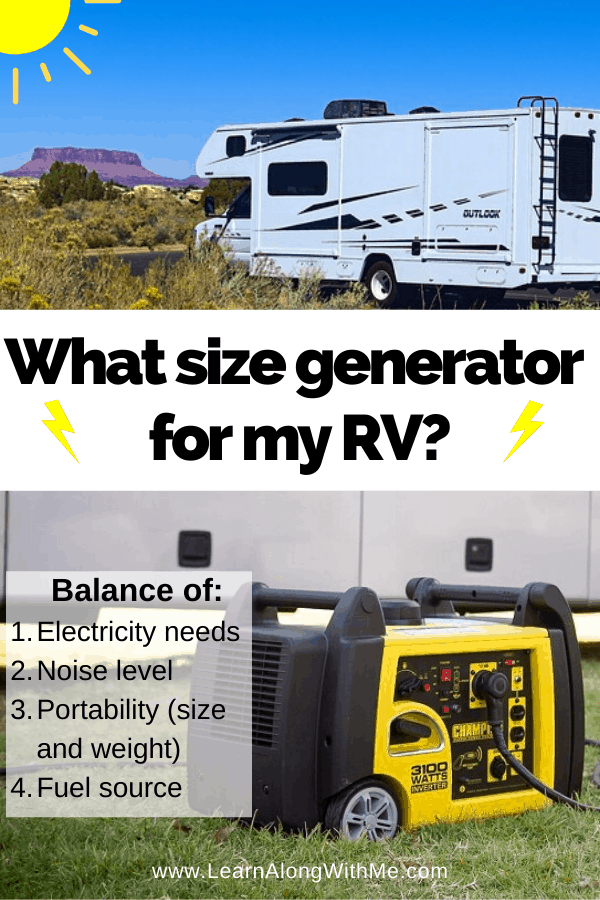
Okay, so you're hitting the open road in your motorhome. Freedom! Adventure! Roasting marshmallows under the stars! But wait... there's a tiny (or maybe not so tiny) detail: power. You're going to need electricity, and unless you plan on living solely on candlelight and the kindness of campground neighbors (who might get tired of you real quick), you need a generator.
Choosing the right generator size is like picking the right size pizza. Order too small, and everyone's hangry. Order too big, and you’re eating leftover pizza for a week. Nobody wants either of those scenarios, right?
So, how do you avoid generator regret? Let's break it down, nice and easy.
Must Read
The Watt's Up? (And Why You Need to Know)
First things first, we gotta talk about watts. Think of watts as the language your appliances speak. Your fridge, microwave, AC unit, even your phone charger, all need a certain number of watts to run. This information is usually plastered somewhere on the appliance itself - a little sticker, the back panel, maybe even etched into the plastic like some kind of secret code.
Starting watts are the initial surge of power an appliance needs to kick on. It’s like when you’re trying to start your car on a cold morning – it needs that extra oomph. Running watts are what it needs to keep humming along once it's going. The starting watts are almost always higher than the running watts.
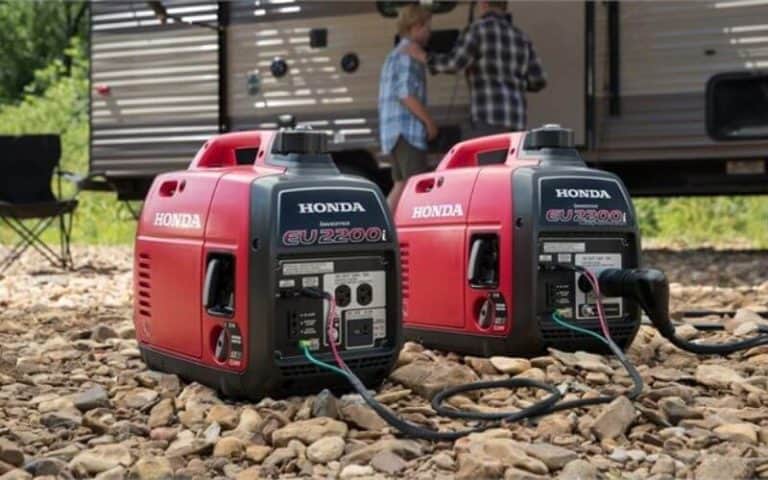
Ignoring starting watts is like inviting a bunch of friends over for a potluck and only buying enough chairs for half of them. Someone's gonna be standing awkwardly in the corner.
Inventory Time: What Are You Powering?
Grab a notepad and pen (or use your fancy tablet, whatever floats your boat) and go on a wattage scavenger hunt in your motorhome. List every appliance you plan to use at the same time. For example:
- Air conditioner
- Microwave
- Refrigerator
- Television
- Coffee maker
- Lights
- Phone charger
Write down both the starting and running watts for each appliance. If you can't find the starting watts, a good rule of thumb is to multiply the running watts by 3 for appliances with motors (like your AC or fridge). Better safe than sorry!
Crunching the Numbers (Don't Worry, It's Not Scary)
Add up all the running watts of the appliances you'll likely be using simultaneously. This is your base load. Now, find the appliance with the highest starting watts. Add that number to your base load. Boom! You've got your minimum generator size.
Let's say your running watts add up to 2000, and your AC has a starting wattage of 3000. You'd need a generator that can handle at least 5000 watts (2000 + 3000).

A Little Wiggle Room Never Hurts
Don't buy a generator that exactly matches your calculated wattage. You want a little headroom. Think of it as buying pants that are slightly too big rather than squeezing into ones that are way too small after that holiday dinner. Aim for a generator with at least 10-20% more wattage than you think you need. This will prevent overloads and extend the life of your generator.
Pro-Tip: If you're planning on adding more appliances to your motorhome in the future, factor that into your generator choice now. Future-proofing is always a smart move.

Inverter vs. Conventional Generators: The Quiet Revolution
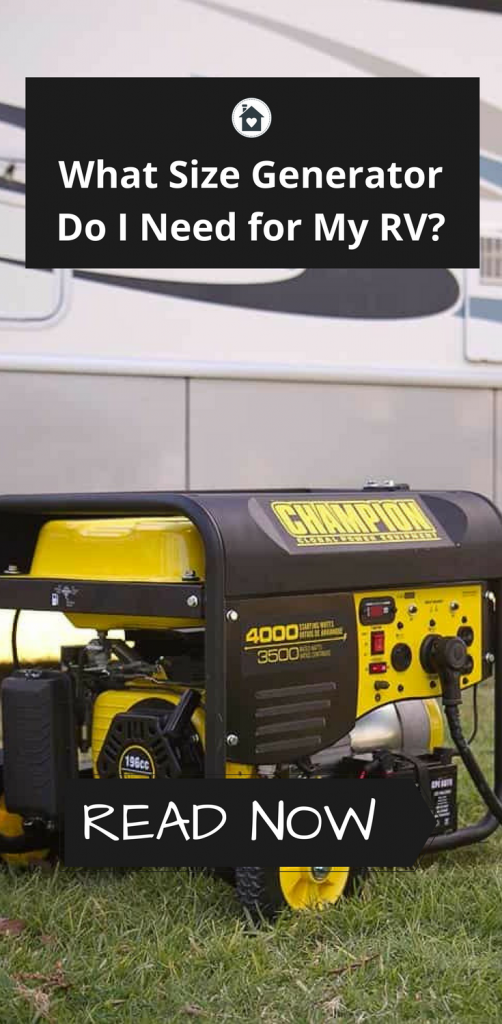
Finally, consider the type of generator. Inverter generators are generally quieter, more fuel-efficient, and produce cleaner power (important for sensitive electronics like laptops and smartphones). They're also usually more expensive. Conventional generators are typically more powerful and less expensive, but they're also louder and less fuel-efficient.
Choosing between the two is like deciding between a hybrid car and a pickup truck. Depends on your needs and priorities!
So, there you have it. Figuring out the right generator size might seem daunting, but with a little bit of research and some basic math, you can power your motorhome adventures with confidence. Now go forth and explore... with all your gadgets fully charged!