
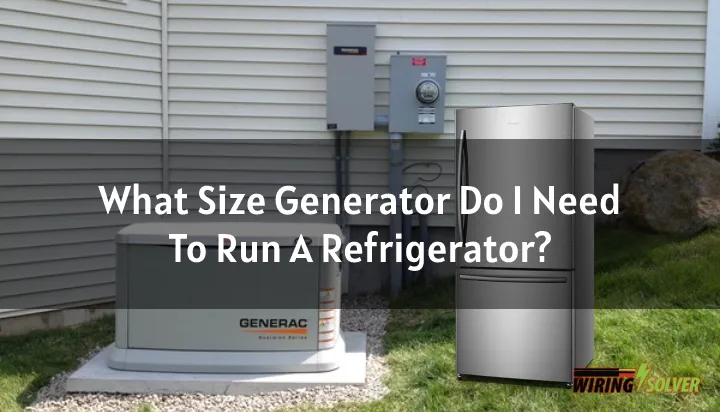
What Size Generator Do I Need For A Refrigerator
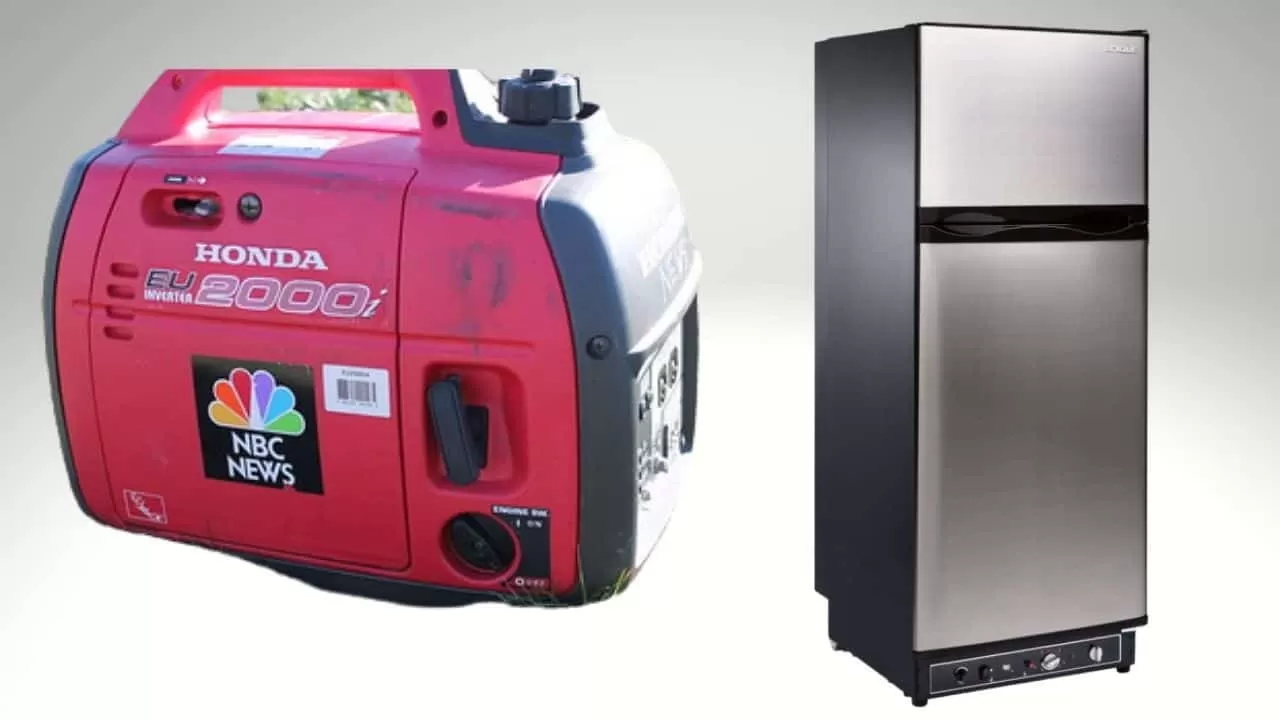
Okay, picture this: You're hosting the ultimate summer BBQ. Burgers are sizzling, the tunes are bumping, and your friends are finally mastering that TikTok dance. But then…BAM! The power goes out. Crickets. Silence. And the slowly defrosting realization that your precious craft beer is about to become lukewarm soup. Nightmare fuel, right? That's where a generator comes in. But how do you even begin to figure out what size generator you need, especially just for keeping the fridge humming?
Decoding the Fridge's Power Hunger
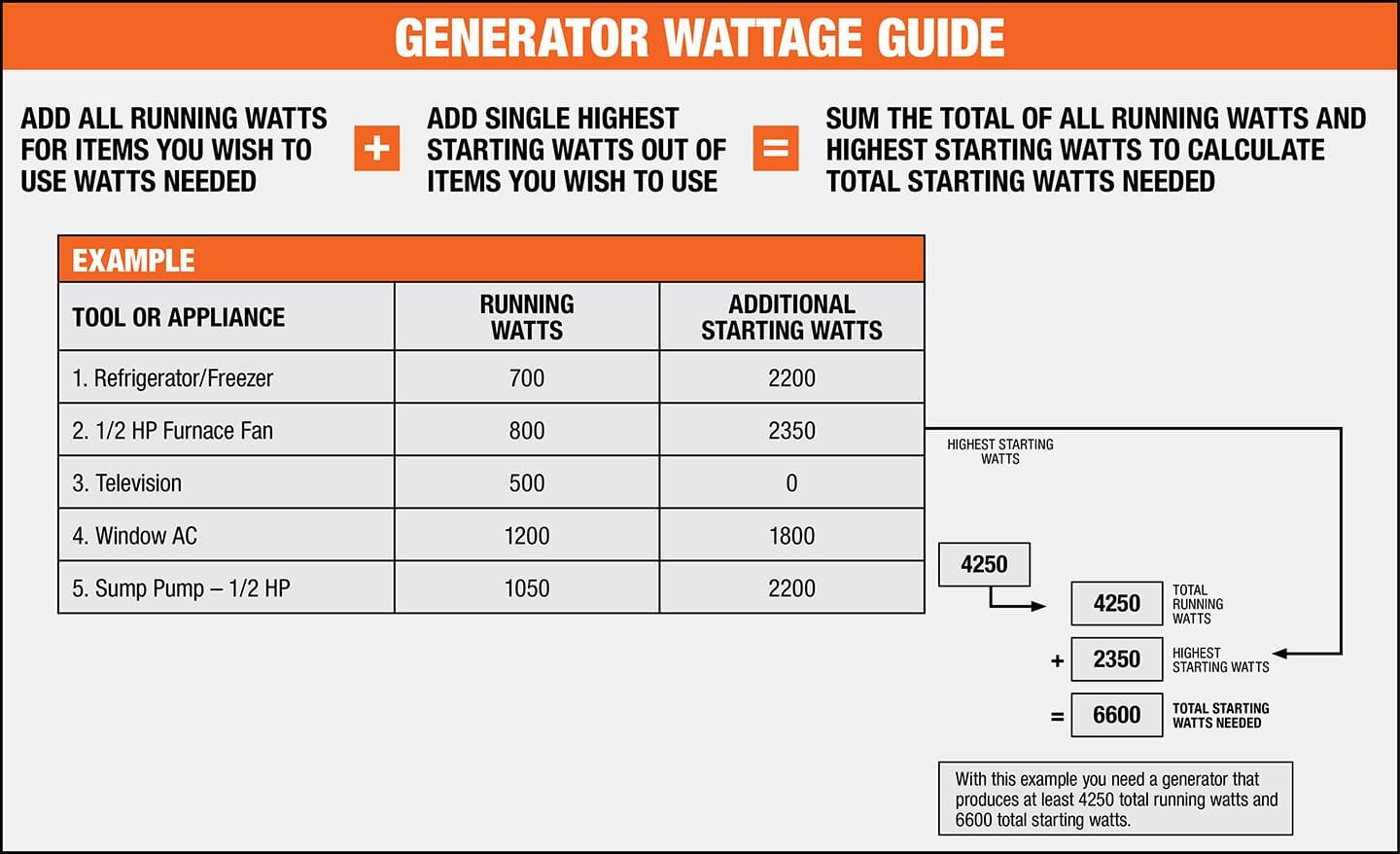
First things first, let's talk fridge specs. Every refrigerator has two key power ratings: Starting Watts and Running Watts. Think of Starting Watts as the initial oomph needed to kick the compressor into gear. It’s like the energy needed to get your vintage VW Beetle moving from a standstill. Running Watts, on the other hand, is the steady power it needs to keep chilling once it's going. It's like the gas it needs to keep cruising on the open road.
You'll usually find these numbers on a sticker inside the fridge door or on the back. If you’re lucky enough to have a smart fridge, it might even be displayed on the digital screen (because, you know, the future is now!). If the sticker's MIA, check the manufacturer's website or your owner's manual. Don't have that either? No worries, we’ve all been there. As a general (and very broad) estimate, most standard refrigerators need around 150-200 Running Watts and 500-700 Starting Watts. But always double-check your fridge’s specific requirements!
Must Read
The Generator Sizing Equation (It’s Easier Than You Think!)
Alright, time for a little math – but I promise, it’s not calculus. It's more like deciding how many marshmallows you need for s'mores (essential BBQ planning, BTW). To figure out the minimum generator size, you need to consider that starting wattage. You want a generator that can handle the fridge's highest power surge.
Here's the super-simple formula:
Generator Size (Watts) = Fridge Starting Watts + (Running Watts of Other Essentials)
The "(Running Watts of Other Essentials)" part is important. Are you just running the fridge, or do you also want to power, say, a lamp, your phone charger, or a small fan to keep cool while you wait for the power to return? Add up the running watts of anything else you want to power simultaneously.

Pro Tip: It's always better to oversize slightly. Generators run more efficiently (and last longer) when they're not constantly maxing out their capacity. Plus, you might want to add more devices later.
Beyond the Fridge: Considering Your Power Needs
Think about your overall emergency preparedness plan. Do you live in an area prone to frequent outages? A larger generator that can power more appliances (lights, TV, maybe even a window AC unit) might be a worthwhile investment. Imagine being able to watch your favorite show while your neighbors are stuck in the dark – pure bliss! (Just kidding… mostly).
Also, consider the type of generator. Inverter generators are quieter and produce cleaner power, making them ideal for sensitive electronics (and keeping your neighbors happy). Conventional generators are generally more powerful for their size but can be louder.
Quick Tips & Cultural Nods
* Test Before You Need It: Run your generator periodically to ensure it's in good working order. Think of it like practicing your karaoke song before the big night. * Read the Manual: Yes, I know, nobody likes reading manuals. But trust me, it can save you a lot of headaches (and potentially expensive repairs). * Safety First: Never run a generator indoors or in a poorly ventilated area. Carbon monoxide is a silent killer. * Cultural Note: In many parts of the world, power outages are a daily reality. People have become experts at conserving energy and making the most of limited resources. We could all learn a thing or two from their resilience!A Chilling Reflection
Choosing the right generator isn't just about keeping your food cold. It's about peace of mind. It's about knowing you can handle unexpected situations with grace (and a well-stocked freezer). It's a small investment that can make a big difference in your comfort and security. So, do your homework, crunch the numbers, and be prepared. Because life, like a perfectly chilled margarita, is always better when you're ready for anything.
