
What Size Generator Do I Need For 200 Amp Service
Power outages. Ugh. Nobody likes them, right? Imagine your lights flickering and then…nothing. The fridge stops humming. The Wi-Fi dies. Game over!
That’s where a generator comes in handy. It’s your backup power superhero. But how do you choose the right one? Especially when you have a 200 amp service?
Understanding Your Power Needs
Think of your electrical service like a water pipe. Amps are like the pipe's diameter. A 200 amp service means you can handle a lot of electrical flow. It's like having a super-wide pipe for all your appliances!
Must Read
Figuring out your needs isn't as scary as it sounds. It's more like a fun puzzle! Let's dive in.
What's a 200 Amp Service Anyway?
Your electrical panel likely has a big number on it. That number is your amperage. A 200 amp service is common in larger homes. It means you can run a lot of appliances simultaneously.
Think of it this way: big house, big power needs. Smaller apartment, smaller needs. 200 amps generally means you have a spacious place and plenty of gadgets!
Why Knowing Your Amps Matters for Generator Sizing
Sizing a generator is like choosing the right shoes. Too small and you'll be cramped. Too big and you'll be tripping all over the place! The wrong generator can lead to frustration.
A generator that's too small will get overloaded. This means it will shut down, leaving you in the dark. A generator too big will be inefficient and a waste of money. We want Goldilocks levels of "just right!"
Estimating Your Generator Size
Ready to do a little math? Don't worry, it's not calculus! We're just adding up some numbers to see what your power needs are.
We'll look at essential appliances. Then we'll convert amps to watts. Watts are what generators are usually rated in. Think of watts like the total volume of water flowing through the pipe.
Identifying Essential Appliances
First, make a list of what you absolutely need during an outage. Is it the refrigerator? The lights? Maybe your home office setup?
Prioritize! What can you live without? What absolutely must stay on? Remember, we're talking survival here!
Think about critical medical equipment, too. These are non-negotiable. Prioritize these before even the TV!
Converting Amps to Watts: A Quick Lesson
Here's the magic formula: Watts = Volts x Amps. In the US, standard voltage is usually 120 volts for smaller appliances. For larger ones (like dryers or stoves) it's 240 volts.
So, a 10-amp appliance running on 120 volts needs 1200 watts. (10 x 120 = 1200). Easy peasy!
Most appliances have a label showing their wattage. Check the back or bottom. If it only lists amps, use the formula above.
Calculating Starting Watts vs. Running Watts
Here's a tricky part: starting watts. Some appliances, especially those with motors, need extra power to start. Think refrigerators and air conditioners.
They need a surge of power to get going. This surge is the starting watts. It's usually higher than their running watts.
The running watts are what they need to keep running. Make sure your generator can handle the highest starting watt requirement, even if it's only for a few seconds!
Example Scenario: A 200 Amp Home
Let's imagine a scenario. You have a fridge (600 running watts, 1800 starting watts). You also have lights (200 watts). And a furnace fan (800 running watts, 1500 starting watts).
Add up the running watts: 600 + 200 + 800 = 1600 watts. Now, find the highest starting watt item. In this case, it's the refrigerator at 1800 watts.
Add the highest starting watt to the other running watts. 1800 (fridge) + 200 (lights) + 800 (furnace) = 2800 watts. You'd need a generator that can handle at least 2800 watts.
Considering Future Needs
Think about what you might add in the future. Maybe a new appliance? Or a home office setup? It's always good to have a little extra capacity.
Adding a buffer of 10-20% is smart. This prevents overloading and extends the life of your generator. Overestimating is better than underestimating.
Don't forget about seasonal needs. Consider extra power for summer air conditioning or winter heating.
Types of Generators: Which One is Right for You?
Generators come in different flavors. Portable, inverter, and standby generators each have pros and cons. Let's explore your options!
Portable generators are great for temporary power. Inverter generators are quiet and fuel-efficient. Standby generators are installed permanently and kick on automatically.
Your budget, power needs, and convenience preferences will influence your choice.
Portable Generators: The Versatile Option
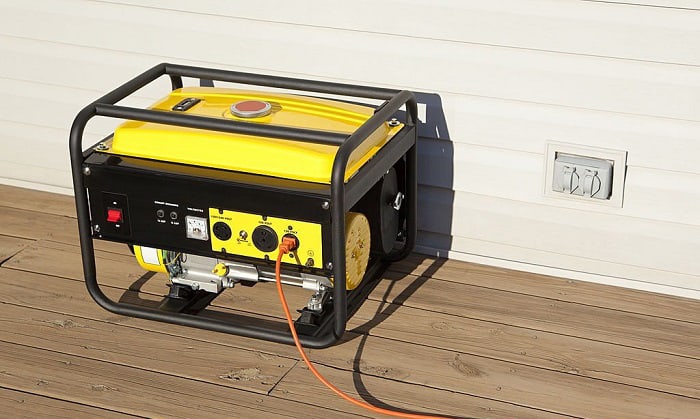
Portable generators are affordable and easy to move. They run on gasoline or propane. They are great for camping and smaller outages.
You'll need to manually start them. You'll also need to run extension cords to your appliances. Think of them as the "DIY" option.
They are ideal if you only need power occasionally. Or if you want something flexible for different situations.
Inverter Generators: Quiet and Efficient
Inverter generators are quieter than traditional models. They also produce cleaner power. This makes them suitable for sensitive electronics.
They are usually smaller and more fuel-efficient. They are perfect for smaller loads and situations where noise is a concern. Think of them as the "polite" generators.
They are great for tailgating or powering a few essential devices.
Standby Generators: The Automatic Choice
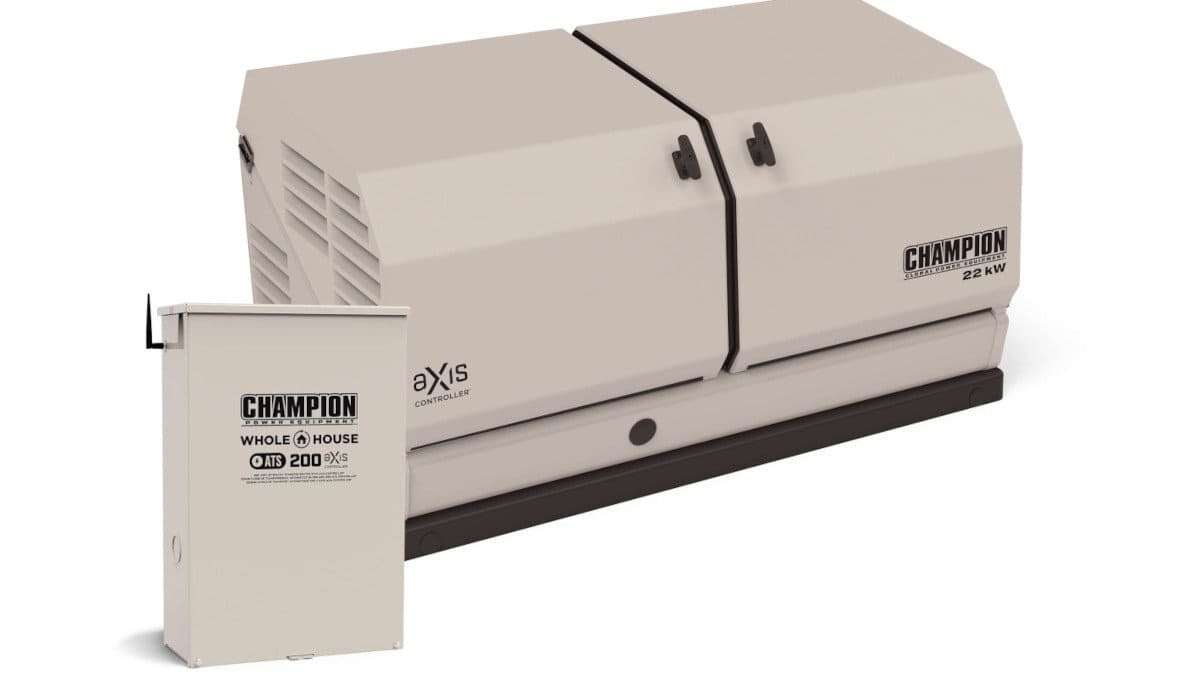
Standby generators are permanently installed. They automatically kick on when the power goes out. They run on natural gas or propane.
They require professional installation. They are the most expensive option. But they provide seamless power backup. Think of them as the "set it and forget it" option.
They are ideal for homes that need continuous power. Or for those who want peace of mind during outages.
Safety First! Important Considerations
Generators can be dangerous if not used properly. Always read the manufacturer's instructions. And follow safety guidelines.
Never run a generator indoors. Carbon monoxide is deadly. Keep it outside, away from windows and doors.
Use heavy-duty extension cords. Never overload the generator. A little caution goes a long way.
Carbon Monoxide: A Silent Killer
Carbon monoxide is an invisible, odorless gas. Generators produce it. It's crucial to have carbon monoxide detectors in your home. Especially near sleeping areas.
Test your detectors regularly. Replace them every 5-7 years. Early detection can save lives!
If you feel sick, dizzy, or nauseous, get fresh air immediately. And seek medical attention.
Proper Grounding and Extension Cords
Ground your generator properly. This prevents electrical shocks. Use heavy-duty, outdoor-rated extension cords.

Inspect cords for damage before each use. Don't overload them. Overloading can cause fires.
Keep cords away from water and foot traffic. Tripping and electrocution are serious risks.
Professional Advice: When to Call an Electrician
If you're unsure about sizing or installing a generator, call a qualified electrician. They can assess your needs. They can also ensure safe and proper installation.
Especially for standby generators, professional installation is a must. It involves electrical wiring and gas lines. These are not DIY projects.
Peace of mind is worth the investment. A professional can guarantee a safe and reliable setup.
Understanding Load Balancing
Load balancing is distributing power evenly across your circuits. This prevents overloading. An electrician can help you set this up properly.
They can install a transfer switch. A transfer switch safely connects your generator to your home's electrical system. It also prevents backfeeding onto the grid. Backfeeding is dangerous for utility workers.
A professional ensures your generator works seamlessly and safely with your home's electrical system.
Wrapping Up: Power Up with Confidence
Choosing the right generator for a 200 amp service involves a few steps. Identify your essential appliances. Calculate your wattage needs. Consider starting watts. And prioritize safety!
With a little planning, you can conquer power outages. You'll have the power to keep the lights on. You'll keep the fridge running. And you'll keep your life going smoothly. Even when the grid fails.
Now go forth and be prepared! Power outages, beware!