
What Size Generac Generator For 2000 Sq Ft House
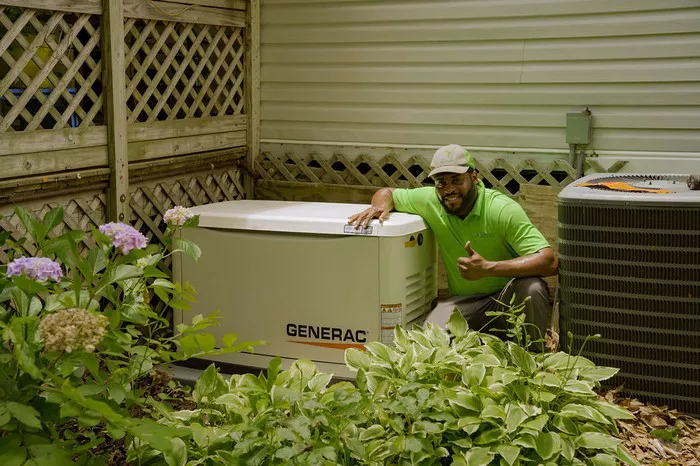
Okay, so you've got a 2000 square foot castle (I mean, house!). And you're thinking about getting a Generac generator to keep the lights on when Mother Nature throws a tantrum. Smart move! Nobody wants to be stuck eating cold pizza in the dark while the wind howls outside. But how do you figure out what size generator you actually need?
The "Don't Be a Guinea Pig" Guide to Generator Sizing
First things first, forget about guessing. Unless you enjoy the thrill of potentially buying a generator that's either a useless paperweight or a fire-breathing monster way too powerful for your needs. Let's do this right, shall we?
We're going to break down the process into bite-sized, easily digestible chunks. Think of it like building a Lego castle, but instead of plastic bricks, we're using watts and amps. Don't worry, it's way less painful than stepping on a Lego in bare feet.
Must Read
Step 1: The "Essentials Only" Approach
Imagine the power goes out. What are the absolute must-haves to keep your sanity intact? We're talking fridge (because nobody wants spoiled milk), a few lights (so you don't trip over the cat), the furnace (unless you're into that whole "living like a polar bear" thing), and maybe the TV (because Netflix is essential for survival, right?).
Write down each of these essential appliances. Now, find the wattage listed on each appliance's label. It's usually on the back or bottom. Don't have the wattage? Look for the amps (A) and multiply that by 120 to get the wattage (Watts = Amps x Volts). Voila! You're a power-calculating wizard.
Add up all those wattages. This is your essential power needs. This number represents the bare minimum wattage your Generac generator needs to supply to keep your essentials running smoothly.
Step 2: The "I Like Creature Comforts" Upgrade
Okay, so you've figured out how to survive. But what about thriving? Do you want to be able to run the microwave to heat up some popcorn? Or maybe keep the coffee maker brewing that sweet, sweet nectar of the gods? We need to add those into the equation.
Think about the non-essential appliances that would make a power outage less... apocalyptic. Air conditioning (if you live in a sauna), the washing machine (because nobody wants to wear dirty socks), the computer (gotta stay connected!), and any other power-hungry gadgets.
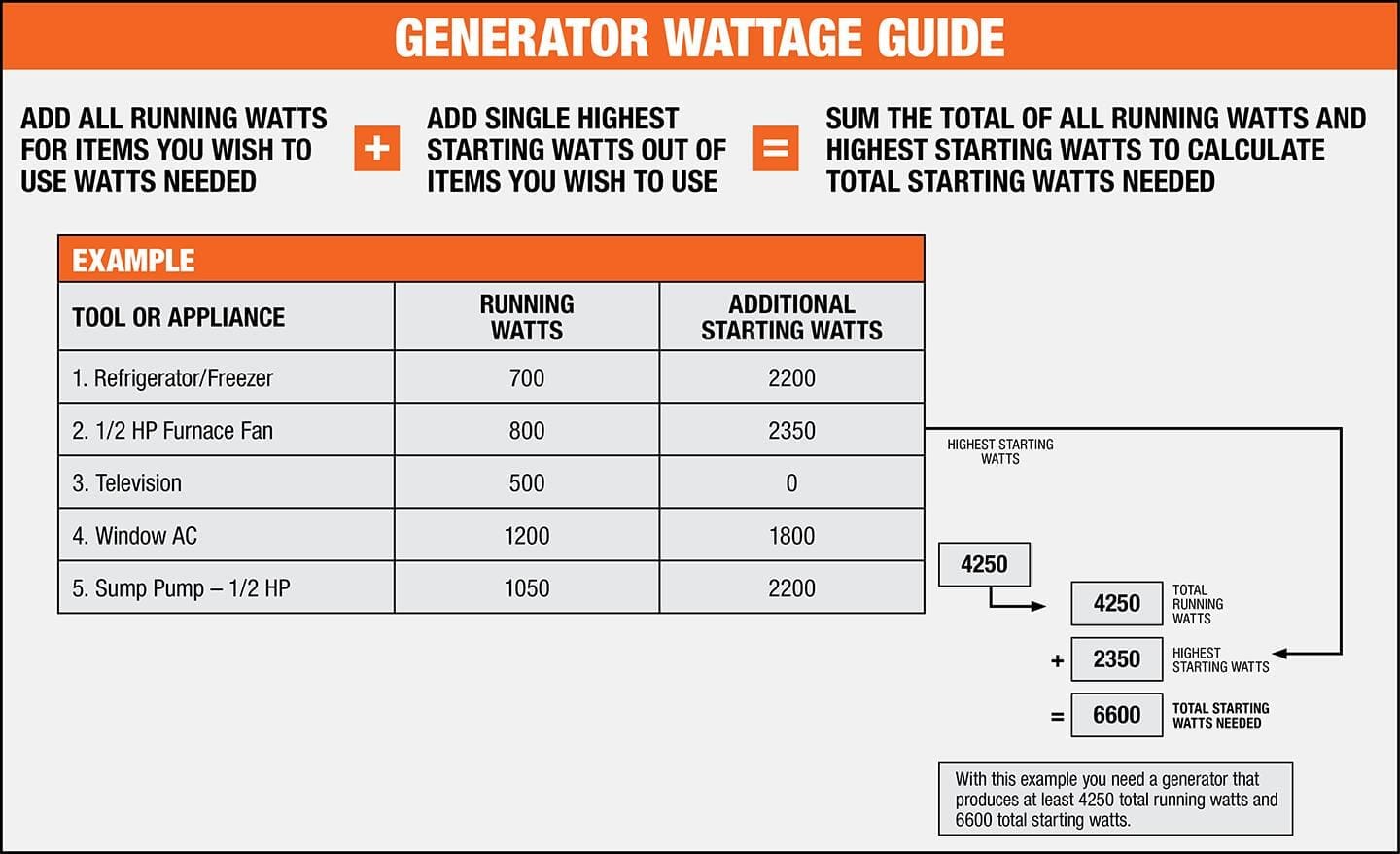
Again, find the wattage of these appliances and add them to your total. Now you have a new, bigger number. This represents your total desired power needs.
Step 3: The "Starting Wattage Surprise"
Remember that "starting wattage" thing I mentioned? Some appliances, like air conditioners and refrigerators, need a surge of power to get them going. This is their starting wattage, and it's usually much higher than their running wattage.
The Generac generator needs to be able to handle this initial surge. So, instead of just adding up all the starting wattages, figure out which appliance has the highest starting wattage and add that to your running wattage total. This is a more realistic picture of your power needs.
Ignoring starting wattage is like trying to start a car with an empty gas tank. It ain't gonna happen. And your generator will just groan in protest and possibly shut down.
Step 4: The "Safety Buffer Zone"
Never buy a Generac generator that's exactly the size you need. Always add a safety buffer. Think of it as a little extra insurance against future power creep. Maybe you'll add a new appliance or two down the road. Or maybe your existing appliances will start drawing a little more power as they age.
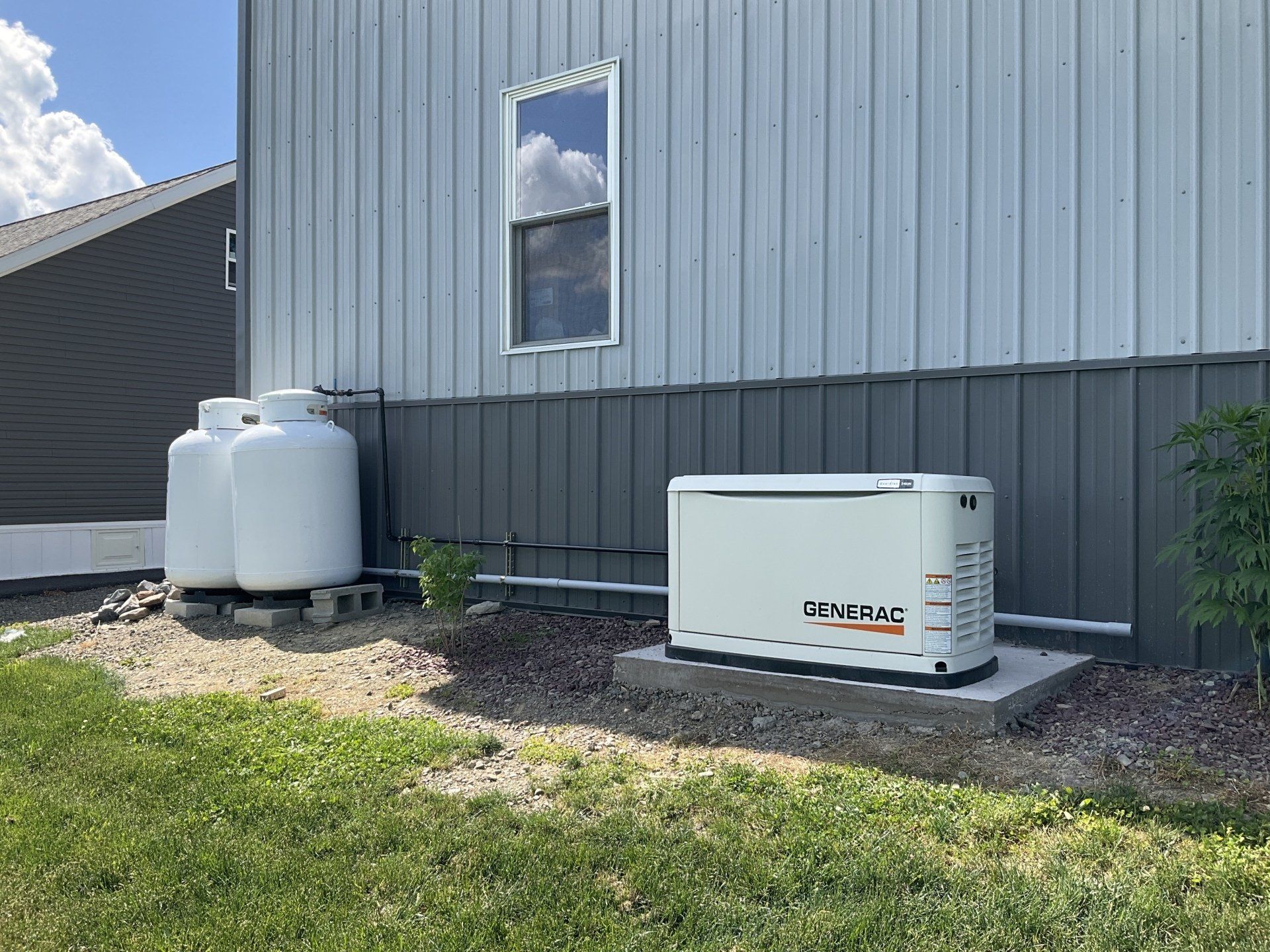
A good rule of thumb is to add at least 10-20% to your total wattage needs. This gives your generator some breathing room and prevents it from being constantly maxed out. A generator running at full capacity all the time will wear out faster and be less efficient.
Imagine trying to run a marathon while carrying a refrigerator on your back. You might make it a few steps, but you're not going to finish strong. Same goes for your generator. Give it a break!
Step 5: The "Convert to Kilowatts" Translation
Generac generators are often rated in kilowatts (kW) instead of watts. Don't panic! Converting is easy. Just divide your total wattage by 1000. So, if your total wattage is 7500 watts, that's 7.5 kW.
Now you know the kilowatt size Generac generator you need. Pat yourself on the back. You're practically an electrical engineer now (disclaimer: not really).
Okay, But What Size Generac Generator Specifically For My 2000 Sq Ft House?
Alright, alright, I know what you're thinking. "Just tell me the darn size already!" The truth is, there's no one-size-fits-all answer. It all depends on your specific appliances and power needs. But I can give you some ballpark figures.
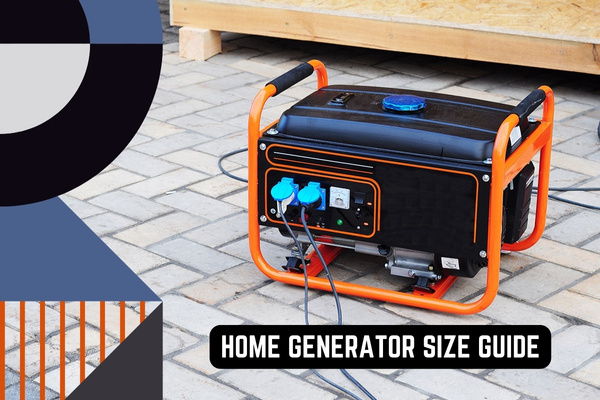
For a 2000 square foot house, a Generac generator in the 7.5kW to 12kW range is often a good starting point. This size should be able to handle your essential appliances, plus a few creature comforts.
If you have central air conditioning, you'll likely need a larger generator, maybe in the 10kW to 15kW range, or even larger. That air conditioner is a power hog! A 20kW generator will handle even more of your appliances without worry. However, a smaller 7.5kw generator would still likely only handle essential appliance such as refrigerators and small fans.
Consider a Whole-House Generator
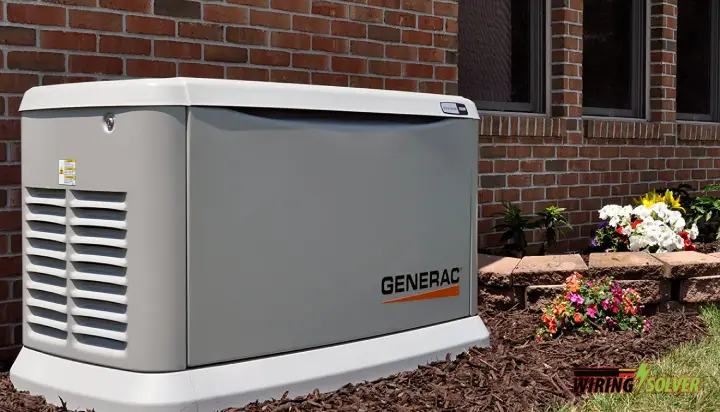
If you really want peace of mind and the ability to run everything in your house during a power outage, consider a whole-house Generac generator. These are larger, more powerful units that can automatically kick on when the power goes out.
They're also more expensive, but they offer unparalleled convenience and comfort. Think of it as having your own personal power plant in your backyard.
A whole-house generator typically requires professional installation and a transfer switch to safely connect it to your home's electrical system. But the peace of mind is priceless.
Don't Forget the Installation!
Speaking of installation, don't try to DIY this unless you're a licensed electrician. Generators produce electricity, and messing with electricity can be dangerous (and potentially fatal). Hire a qualified professional to install your Generac generator safely and correctly. It's worth the investment.
A professional installer can also help you determine the best location for your generator and ensure that it meets all local codes and regulations. Plus, they can handle all the necessary wiring and connections, so you don't have to worry about accidentally electrocuting yourself.
Safety first, folks! Always.
The Final Word
Choosing the right size Generac generator for your 2000 square foot house is an important decision. Take the time to carefully assess your power needs, consider your options, and consult with a professional.
With a little planning and research, you can find the perfect generator to keep your lights on, your food cold, and your sanity intact during the next power outage. Stay safe and stay powered!
Now go forth and conquer that power outage! You've got this!