
What Size Furnace For 2000 Sq Ft
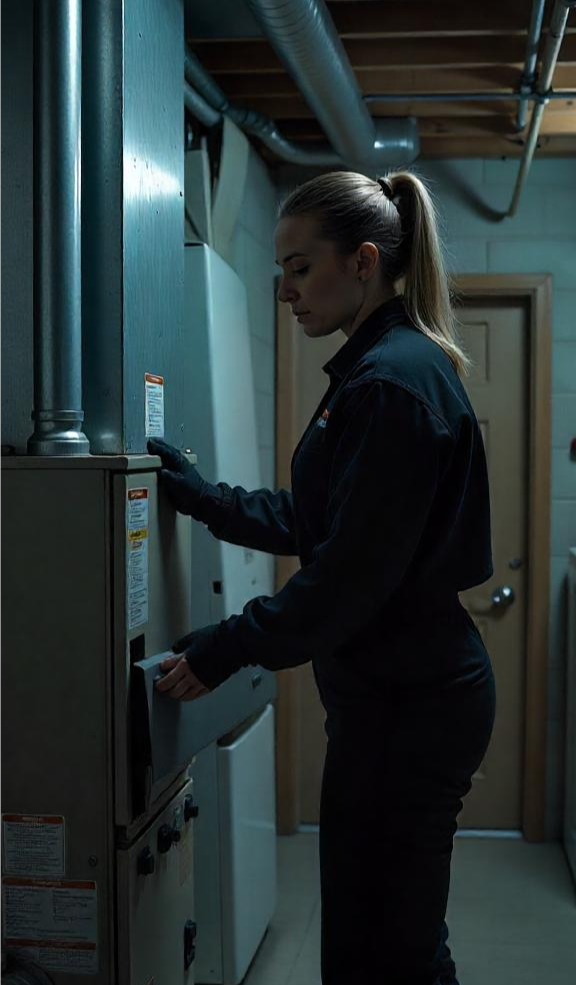
Alright, gather 'round, folks, because we need to talk furnaces. Specifically, what size furnace for a 2000 sq ft house. Now, you might be thinking, "That's easy! Just punch some numbers into a calculator and call it a day!" Oh, my sweet summer child. If only it were that simple.
Let me tell you a quick story. I once had a friend who bought this charming old house. The moment winter hit, it was a battle. One room would be like a tropical rainforest, while the adjacent one felt like you were attempting an Arctic expedition. The furnace, bless its heart, sounded like a jumbo jet attempting takeoff every time it kicked on, and then abruptly shut off. And the energy bills? Let’s just say they could rival a small country’s GDP.
Turns out, the previous owner had slapped in a ridiculously oversized furnace. They figured "bigger is better," right? Wrong. So incredibly wrong. It was a classic case of overkill, leading to terrible efficiency, uneven heating, and a whole lot of wasted money. And that, my friends, brings us directly to the heart of our matter: getting the furnace size for your 2000 sq ft home absolutely, unequivocally right.
Must Read
Why Can't I Just Guess?
You’d think a nice round number like 2000 square feet would have a neat, pre-packaged BTU (British Thermal Unit) answer. But homes are not pizzas. They're intricate, nuanced ecosystems, especially when it comes to keeping them toasty or cool.
The problem with guessing leads to either of two equally miserable scenarios:
If your furnace is too small, it will run constantly, struggling to keep up. Like a tiny hamster on a giant wheel, it’ll never quite reach your desired temperature on the coldest days and will wear itself out trying. You’ll be cold, frustrated, and probably eyeing that space heater with longing.

If it's too large, it will "short cycle." It heats up your house super fast, shuts off, then the temperature drops, and it kicks on again. This constant on-off is incredibly inefficient, causes more wear and tear, and doesn't allow the system to properly dehumidify your air (a huge factor for summer comfort, but indicative of overall system imbalance). Think of it like buying a monster truck to pick up groceries; it’s powerful, but overkill and inefficient.
Factors Beyond Square Footage (It's a Whole Vibe!)
So, if 2000 sq ft isn't the only number that matters, what does? Get ready, because it’s a list! Each of these plays a starring role in your home's unique heating needs:
Your Climate Zone: This is probably the biggest one after square footage. Are you battling blizzards in Minnesota or just warding off a mild chill in Southern California? Colder climates demand a more powerful furnace.
Insulation Levels: This is your home's winter jacket. Well-insulated attics, walls, and floors keep the heat in. An older home with minimal insulation will leak heat like a sieve, requiring a much larger furnace to compensate. Think of your home as a thermos.

Window Quality and Quantity: Old, single-pane, drafty windows are fantastic for letting heat escape. Modern, energy-efficient windows make a huge difference.
Ceiling Height: Your furnace heats volume, not just area. A 2000 sq ft house with 10-foot ceilings has significantly more air to heat than one with standard 8-foot ceilings.
Air Infiltration (Drafts): Those sneaky cracks around doors, windows, and foundations? They’re like tiny open windows, constantly letting cold air in. Sealing these up can drastically reduce your heating load.

Your Desired Temperature: Some folks like it toasty warm at 75°F; others are perfectly happy at 68°F. That difference, over a whole winter, adds up!
So, What's the Magic Number for 2000 Sq Ft?
Okay, I know you're still looking for a ballpark, so let's give you a rough idea. For a 2000 sq ft home, the recommended BTU output can typically range anywhere from 60,000 to 120,000 BTUs.
See that huge range? That's precisely why we can't just pick a number. A super-insulated, modern 2000 sq ft home in a mild climate might be perfectly comfortable with a 60,000 BTU furnace. Meanwhile, an older, less-insulated 2000 sq ft home in a harsh winter climate might genuinely need 100,000 BTUs or more. It’s a truly vast spectrum.
The Real Solution: The Manual J Load Calculation
This, my friends, is where the pros come in. Forget the guesswork, the rules of thumb, and the "my uncle Bob said..." advice. The gold standard for determining the correct furnace size is called a Manual J Load Calculation.
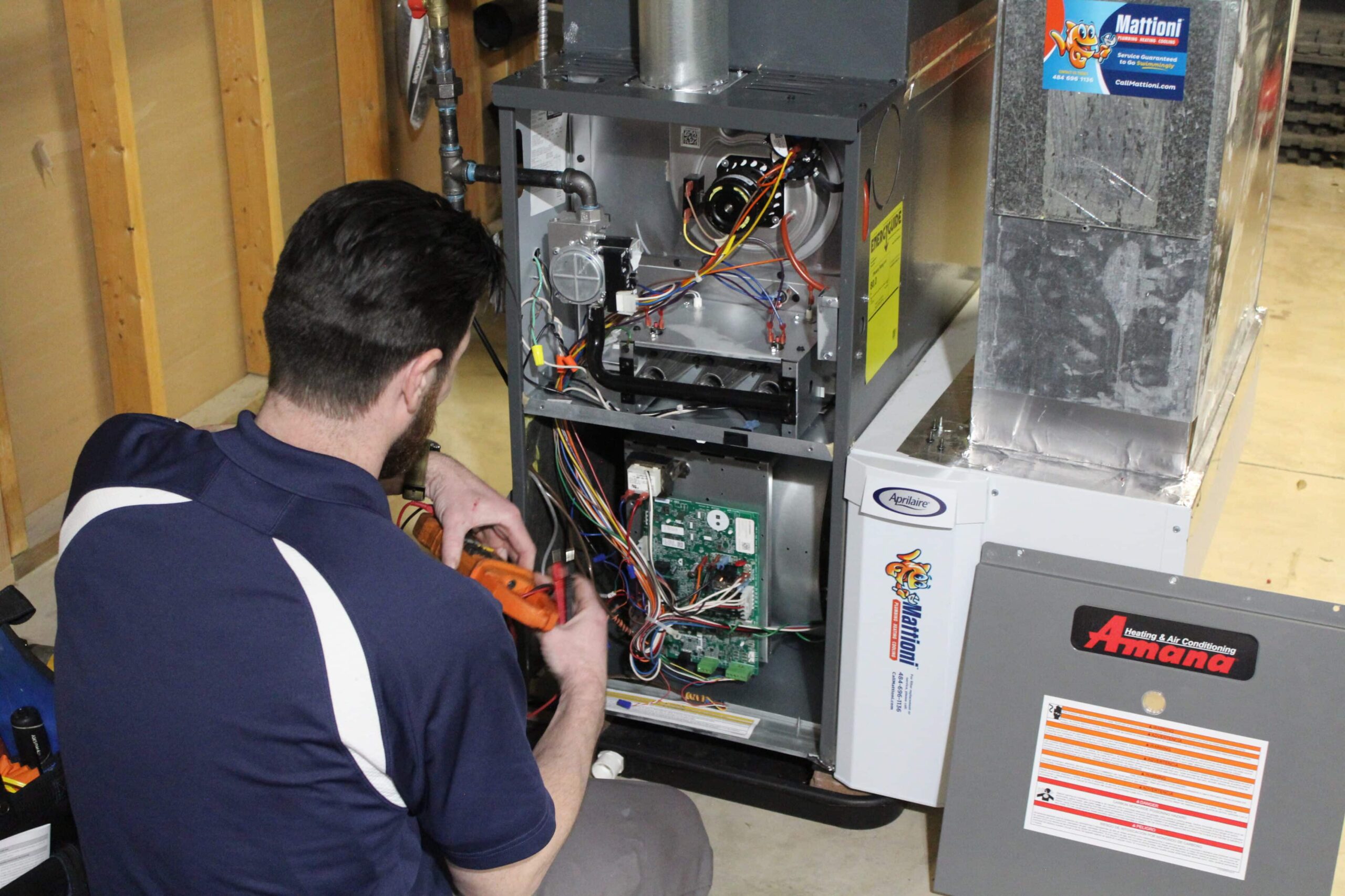
What is it? It’s a detailed, scientific assessment performed by a qualified HVAC professional. They’ll come to your home, measure everything from your window dimensions and insulation R-values to your ceiling height and door types. They'll factor in your local climate data, desired indoor temperatures, and even potential internal heat gains from appliances or occupants. All these inputs go into specialized software that crunches the numbers to determine your home’s exact heat loss and gain.
The result? A precise BTU recommendation for your furnace that's tailored specifically to your house. No more arctic expeditions in one room and rainforests in another. Just consistent, comfortable, and efficient heating.
Don't Forget Efficiency (AFUE!)
While we're talking about sizing, a quick word on efficiency. Look for the AFUE (Annual Fuel Utilization Efficiency) rating. This percentage tells you how much of the fuel your furnace consumes is converted into usable heat (the higher the percentage, the better!). Pairing a perfectly sized furnace with a high AFUE rating is how you achieve peak comfort and minimal energy bills. It's like having a perfectly fitted, super-efficient engine in your car.
So, there you have it. When it comes to what size furnace for 2000 sq ft, it’s not just a numbers game, it's a science. Do yourself (and your wallet, and your toes!) a favor and get a professional HVAC technician to perform a Manual J calculation. Your future cozy self will thank you for it.