
What Size Conduit For 3 #6 Wires

Ever tried to fit five days' worth of clothes into an overnight bag that clearly only holds two? Or, heaven forbid, put on those "skinny jeans" after a particularly joyful holiday season? You know that feeling of optimistic cramming, followed by the inevitable struggle, a few exasperated grunts, and maybe a little sigh of defeat.
Well, when you're dealing with electrical wiring, specifically trying to wrangle three #6 wires into a conduit, you're essentially playing a high-stakes game of packing luggage or trying to get into those unforgiving jeans. And trust me, you want to win this game comfortably.
The Case of the Crowded Elevator (or the Overstuffed Pipe)
Imagine your electrical conduit as an elevator. Each wire is a person. Now, #6 wires aren't your dainty little earbud cables; they're the burly bouncers of the wiring world. They're thick, they're sturdy, and they take up some serious real estate.
Must Read
So, you've got three of these muscular #6 wires. If you try to jam them into a conduit that's too small, it's like trying to squeeze three sumo wrestlers into a phone booth. It might technically "fit," but it's going to be a sweaty, frustrating, and potentially dangerous situation. The wires won't be happy. You certainly won't be happy when you're trying to pull them through.
The goal isn't just to get them in there, but to get them in there with dignity and breathing room. You need space for air circulation (wires get warm when they work hard, just like us!), and space to pull them through without tearing your hair out or damaging the insulation.

Why We Can't Just "Squeeze It In"
Beyond the sheer frustration of trying to thread a needle with a rope, there are some serious reasons why proper conduit sizing isn't just a suggestion; it's practically a commandment.
First, the aforementioned heat. Wires generate heat, especially when they're working hard, powering things like your electric range or a subpanel. If they're packed too tightly, that heat can't dissipate. Think of it like a poorly ventilated attic on a summer day. Overheating wires are a fire hazard – definitely not a risk we want to take for the sake of saving a few bucks on a smaller pipe.
Second, pulling them through. If the conduit is too snug, you'll be swearing a blue streak trying to pull those wires. You risk scraping off the insulation, which creates an immediate short circuit risk. You might even snap a wire. Trust me, the extra effort of running a slightly larger conduit is nothing compared to the nightmare of having to pull everything back out and start over because of damaged wires. Been there, done that, bought the T-shirt that says "I hate pulling wires."

And finally, there's the National Electrical Code (NEC). These folks are like the rulebook for grown-ups who play with electricity. They have very specific guidelines on how much of a conduit can be filled with wires. They're not being arbitrary; they're keeping you safe and making sure your electrical system is reliable.
So, What's the Magic Number for Three #6 Wires?
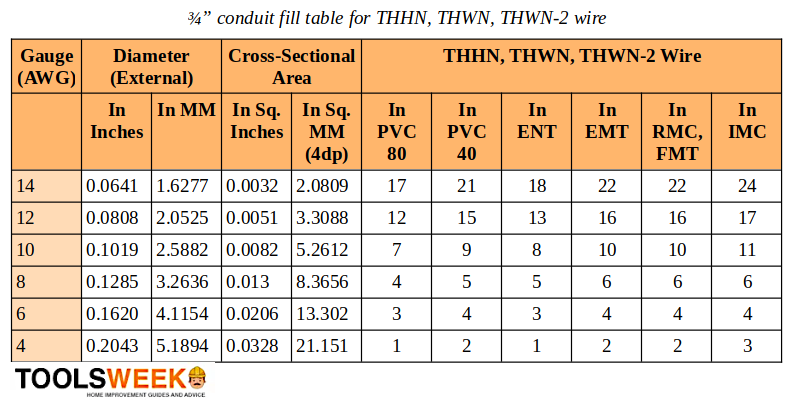
Alright, enough with the analogies, let's get down to brass tacks! For three #6 wires, you're generally looking at a minimum of 3/4-inch conduit.
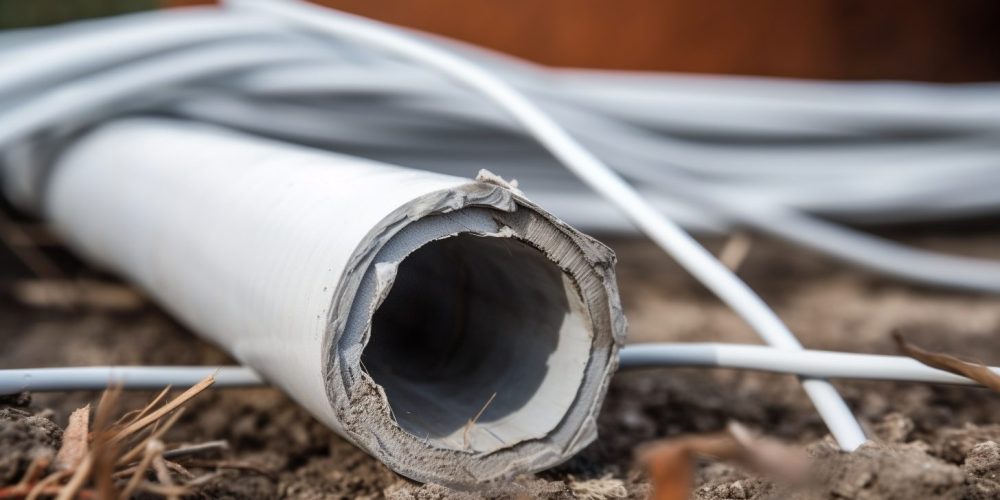
Now, a quick disclaimer: This is for typical applications and generally assumes your wires are THHN/THWN-2 type, which are very common. Different wire types have slightly different diameters, and the NEC fill tables are your ultimate guide. But as a good rule of thumb, 3/4-inch is your baseline for PVC or EMT conduit.
However, here's where my inner "comfort-seeking" DIYer pipes up: While 3/4-inch might technically be compliant, I'm a huge proponent of going a little bigger if you can.
A Little Wiggle Room Goes a Long Way
If you've ever wrestled a reluctant garden hose into a shed, you know the value of a little extra space. For this reason, many experienced electricians (and smart DIYers) will often opt for a 1-inch conduit for three #6 wires.
Why? Because that extra quarter-inch of diameter feels like an Olympic swimming pool compared to a bathtub when you're pulling wires. It makes the job immeasurably easier, reduces the risk of wire damage, and gives you a tiny bit of future-proofing if you ever need to add another small wire later (though always check fill limits!).
Think of it this way: would you rather wear shoes that are a perfect fit but a struggle to put on, or shoes that are just a tiny bit roomy and slide on like a dream? Most of us would choose the dream. The same applies here.
So, when you're planning your electrical project and staring down three beefy #6 wires, remember the skinny jeans, the crowded elevator, and the peace of mind that comes with giving those wires a comfortable home. Opt for 3/4-inch as a minimum, but don't be shy about treating yourself (and your future self) to the luxurious space of a 1-inch conduit. Your knuckles, your sanity, and your electrical system will thank you.