
What Size Btu Ac Unit Do I Need
Ah, the sweet symphony of summer... until you step inside and realize your living room feels less like a cool oasis and more like the inside of a warm, slightly humid muffin. Or maybe you're at the other end of the spectrum, shivering under a blanket in July because your AC thinks it's an Arctic explorer.
Yep, we've all been there. That baffling moment when you're trying to figure out what the heck a "BTU" is and how it relates to your comfort (or lack thereof). It's like trying to translate ancient hieroglyphs while simultaneously baking a soufflé – confusing and prone to disaster!
What's a BTU, Anyway? (And Why Should You Care?)
Let's demystify this beast. BTU stands for British Thermal Unit. Sounds fancy, right? In simple terms, think of it as the measurement of how much heat your air conditioner can remove from a space in an hour. It’s like the "calories" for cooling. A higher BTU number means more cooling power. Easy peasy!
Must Read
And why should you care? Because choosing the right BTU size for your AC is the difference between a perfectly comfortable home and a daily battle against the elements (and your energy bill).
The Tale of Too Small: The Sweaty Struggle
Imagine trying to cool an Olympic swimming pool with a handheld fan. That's what an undersized AC unit feels like. It will run, and run, and run some more, like a marathon runner who's never quite reaching the finish line. It's constantly working its little heart out, but your home never quite gets cool enough. You'll still feel that sticky humidity, and your energy bill will be crying in a corner because the unit is in a perpetual state of "on."

You'll find yourself adjusting the thermostat down, down, down, only to still feel warm. It's frustrating, inefficient, and basically a recipe for a very grumpy summer.
The Saga of Too Big: The Arctic Tundra Trap
Now, you might think, "Well, if too small is bad, I'll just go bigger! More power!" And while that logic makes sense for, say, a monster truck, it's actually a common and costly mistake with AC units.
An oversized AC unit is like using a fire hose to water a small potted plant. It blasts out cold air, quickly dropping the temperature, but then it switches off too soon. This is called "short cycling." Why is this bad? Well, an AC unit doesn't just cool; it also removes humidity. If it's constantly turning on and off quickly, it doesn't have enough time to dehumidify the air properly.
The result? Your house might feel cold, but it will also feel damp and clammy. You'll get that weird, clammy chill, possibly even mold issues down the line. Plus, those constant on-off cycles are incredibly inefficient and put more wear and tear on your unit, leading to earlier breakdowns and higher repair bills. Not exactly a win-win.
Finding Your Goldilocks Zone: Just Right
So, we're aiming for that sweet spot, the "just right" temperature and humidity. How do we get there? It's not just about one simple number, unfortunately. Think of it like a bespoke suit – it needs to be tailored to your specific situation.

Key Factors That Influence Your Perfect BTU:
- Square Footage: This is the big one, the starting point. How large is the space you want to cool?
- Ceiling Height: Taller ceilings mean more air volume to cool, so you might need a bit more power.
- Windows, Glorious Windows: Do you have lots of sunny windows? Poorly insulated windows? All that sun brings in heat, requiring more BTUs.
- Insulation Situation: A well-insulated home holds onto cool air much better than a drafty old house. Good insulation means fewer BTUs needed.
- Climate Control: Living in a scorching, humid climate (hello, Florida!) will naturally require more cooling power than a milder region.
- People Power: Every person in your home generates heat. A bustling family of five needs more BTUs than a single individual.
- Appliance Army: Big screen TVs, computers, kitchen appliances – they all generate heat. If your AC is cooling a busy kitchen, it needs more oomph.
The "Rule of Thumb" (and Why It's Just a Thumb)
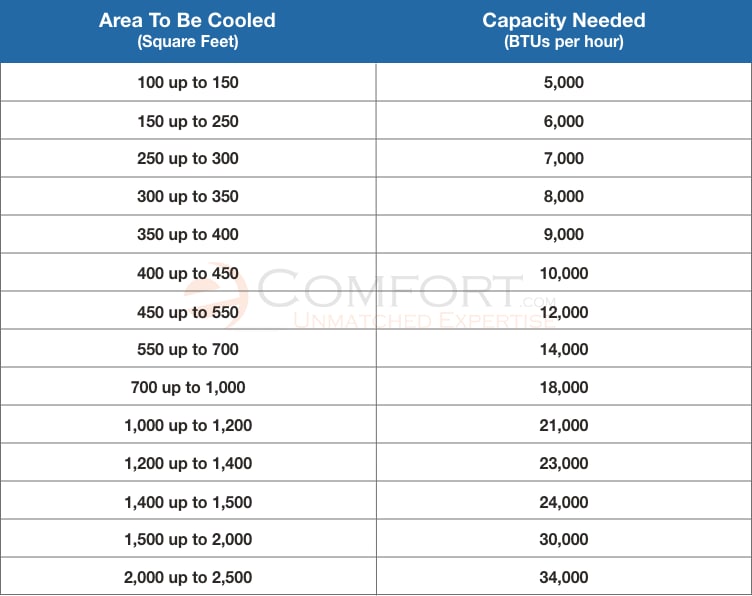
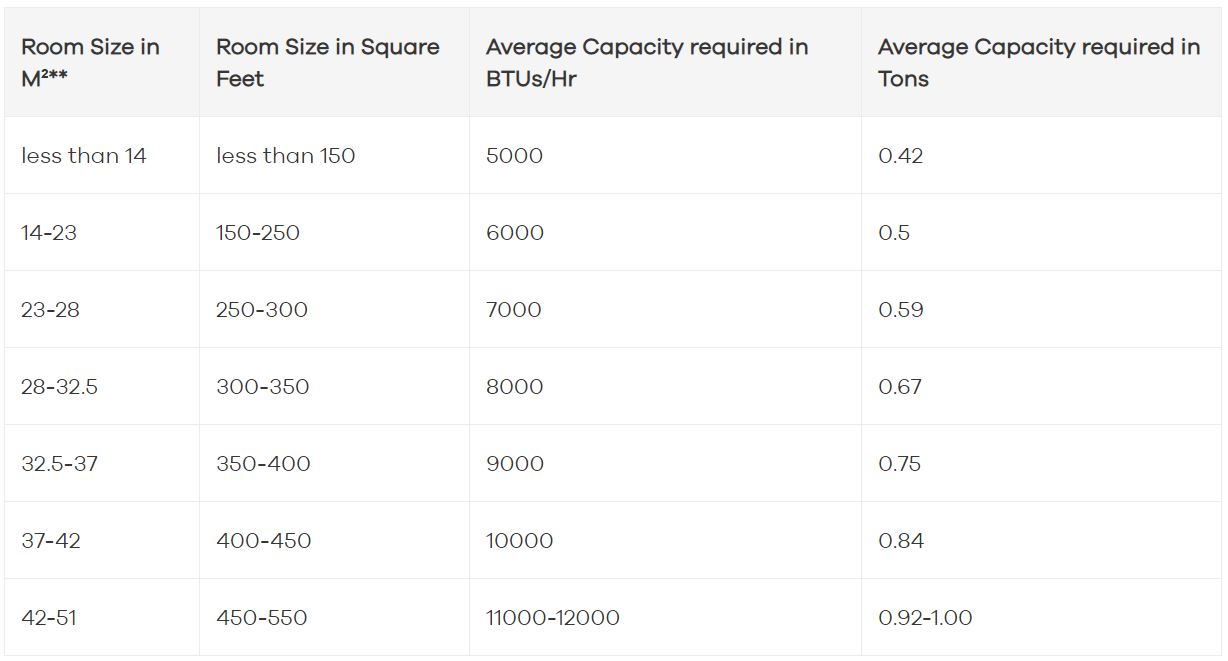
There are general guidelines, like 20 BTUs per square foot. So, for a 500 sq ft room, that would be 10,000 BTUs. But remember, this is just a starting point, a very rough estimate. It's like guessing someone's shoe size without actually measuring their foot.
Those other factors we just talked about can add or subtract hundreds, even thousands, of BTUs from that baseline calculation.

Don't Guess, Get a Pro!
While this article arms you with some solid understanding, trying to perfectly size an AC unit yourself is a bit like trying to perform your own dental work. You might get it sort of right, but you're probably going to miss something important, and it could end up being painful (and expensive!).
The best advice? Call in the cavalry! A reputable HVAC professional will come to your home, assess all those factors – insulation, window exposure, ceiling height, climate, etc. – and perform a proper "load calculation." They'll use specialized tools and their expertise to recommend the perfect BTU size for your unique space.
Investing a little time and money upfront in a professional assessment will save you a world of headaches, discomfort, and wasted money on energy bills and repairs down the road. Because when it comes to keeping your cool, "just right" isn't just a fairytale; it's a perfectly achievable reality!