
What Size Air Conditioner Window Unit Do I Need
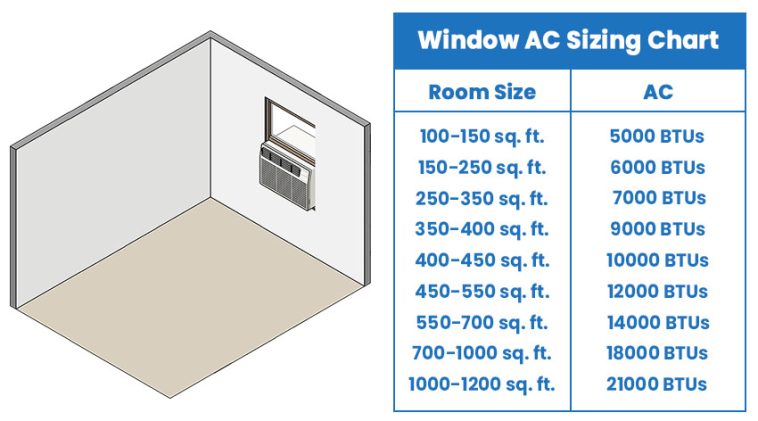
Okay, so you're staring at that sad, dusty window unit from last summer, wondering if it's finally time for an upgrade. Or maybe you're moving into a new place and facing the thrilling (read: slightly overwhelming) world of window AC shopping. Don't sweat it! Choosing the right size air conditioner isn't rocket science, I promise. But it is important. Too small, and you'll be living in a swamp. Too big, and you'll be shivering in July. Nobody wants that!
The Magic Number: BTU
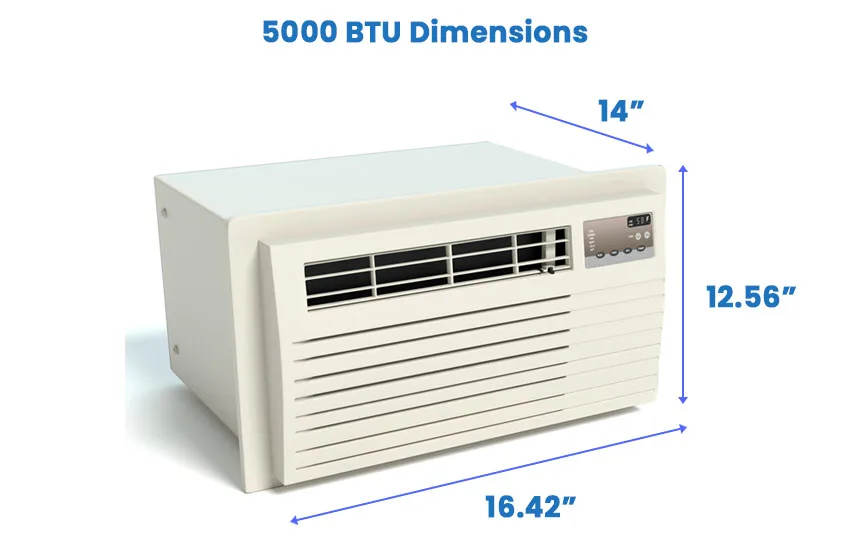
The secret ingredient? BTUs. That stands for British Thermal Units (sounds very official, right?), and it's basically a measure of how much heat your AC can remove from a room per hour. Think of it as the AC's muscle power. More BTUs, more cooling power. But how many do you actually need?
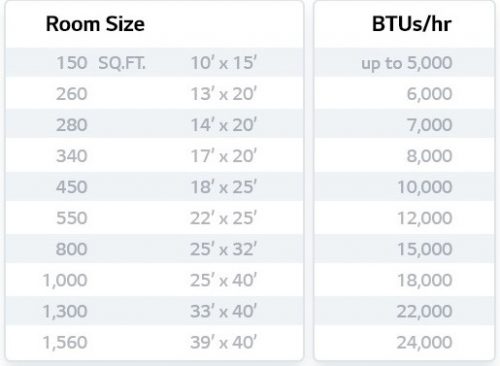
The general rule of thumb is 20 BTUs per square foot. Yep, that's it! Grab a measuring tape (or just eyeball it, we won’t judge) and calculate the square footage of the room you want to cool. Multiply that number by 20, and bam! You have a starting point. Let’s say your room is 150 square feet. That would be 150 x 20 = 3000 BTUs. Easy peasy!
Must Read
Hold on though! That's not the whole story. Like ordering coffee, there are definitely extra shots of espresso we need to consider before making a final decision. It's not always as simple as multiplying by 20… is it ever?
Factor in the Extras
Okay, imagine you're trying to cool a room that's basically a giant sunroom with floor-to-ceiling windows. All that sunshine streaming in? That's extra heat the AC has to fight. Same goes for rooms on the top floor of a building, where the sun is just beating down all day. Or maybe you're a master chef, and your kitchen is constantly radiating heat from the oven (mmm, cookies!).
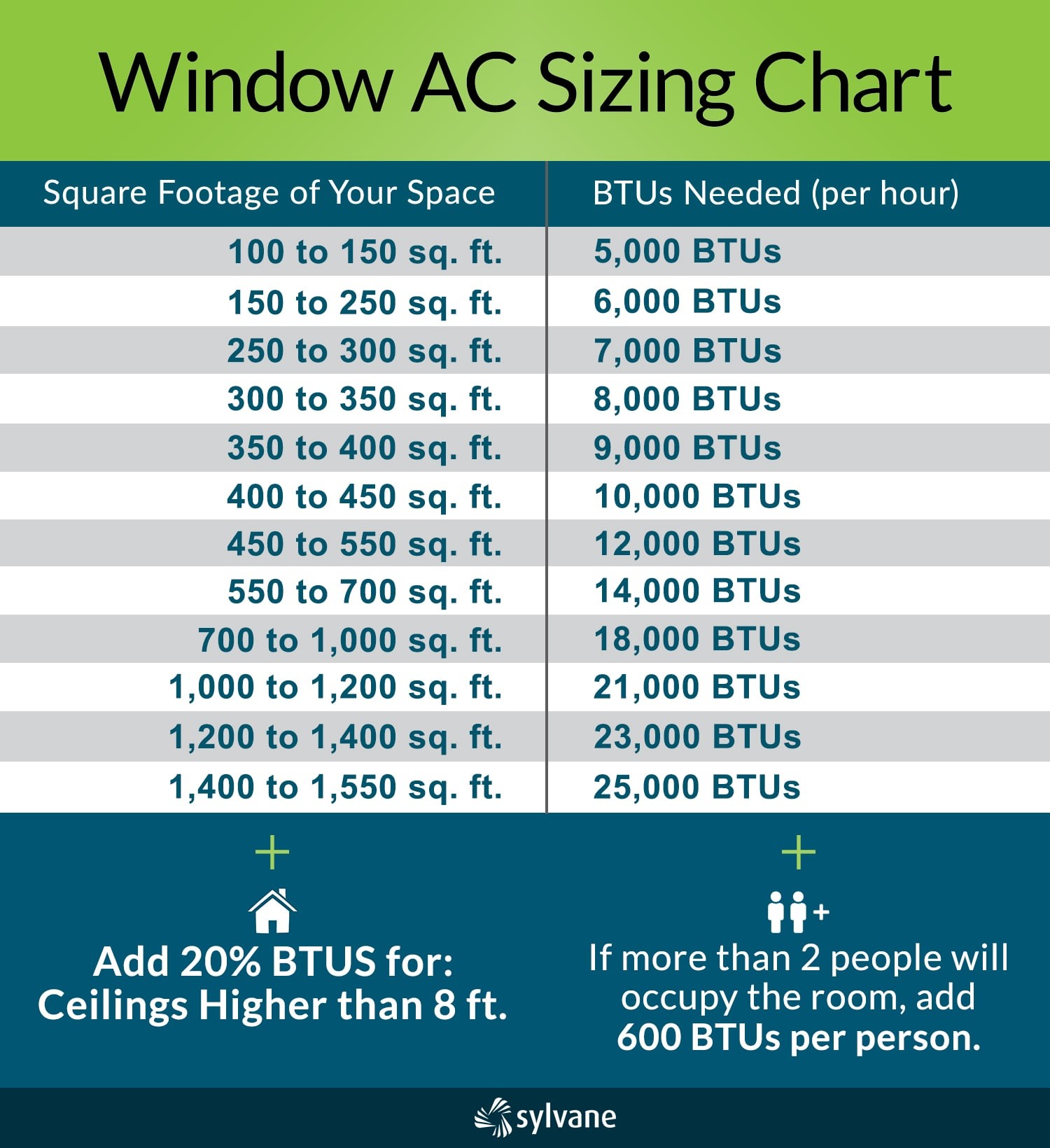
For especially sunny or hot rooms, you might want to add 10% more BTUs. Think of it as a "sunshine tax." Better safe than sorry, right?
What about room traffic? Are we talking a quiet bedroom or a bustling living room with people constantly coming and going (and opening the door, letting all the cool air escape!)? More people equals more body heat. You get the picture! For high-traffic areas, again, consider bumping up those BTUs a bit. Maybe a few hundred extra BTUs for each regular occupant (beyond one or two). Don't want anyone getting cranky from the heat!
Also, think about insulation. Old house? Drafty windows? Bless your heart (and your energy bill). Poor insulation means heat leaks in faster. Good insulation? You can probably stick closer to the original BTU calculation. It's all about minimizing heat gain!
Oversized vs. Undersized: Which is Worse?
So, you're thinking, "Maybe I should just get the biggest AC I can find, just to be safe!" Whoa there, partner! An oversized AC isn't necessarily better. In fact, it can be worse!
An oversized AC will cool the room down super fast, but it won't run long enough to properly dehumidify the air. Result? A cold, clammy room that feels just as uncomfortable (maybe even more so!) than a hot room. Plus, it'll cycle on and off constantly, wasting energy and potentially shortening the AC's lifespan. Nobody wants that!
An undersized AC, on the other hand, will run constantly trying to keep up, sucking up energy like crazy and never quite getting the room to a comfortable temperature. It's like a tiny hamster running on a giant wheel. Lots of effort, not much payoff.

The sweet spot is finding the right size that will cycle on and off regularly, maintaining a consistent temperature and humidity level without working overtime. It’s a Goldilocks situation - not too big, not too small, but juuuuust right!
A Final Word (or Two)
Okay, so you've crunched the numbers, considered the sunshine, factored in the foot traffic, and weighed the pros and cons of oversizing versus undersizing. You're basically an AC expert now! You got this! And remember, when in doubt, it's often better to slightly overestimate your BTU needs than underestimate them – especially if you live in a very hot and humid climate.
Happy cooling!