What Size Air Conditioner For 2500 Square Feet
Let's be honest, talking about air conditioners isn't usually the most exciting topic. But! Think of it this way: nailing the right AC size is the difference between basking in cool, refreshing bliss and sweating through your summer like a popsicle on a hot sidewalk. It's the key to comfort, energy savings, and keeping your hard-earned cash from flying out the window along with the hot air. So, yeah, AC sizing? Actually pretty crucial, and even... dare we say... fun!
So, you're wondering what size AC you need for a 2500 square foot space? You've come to the right place! The purpose of getting the right size AC unit is simple: to effectively cool your home without overworking the system or leaving you with uncomfortable hot spots. Too small, and it'll run constantly, struggling to keep up and racking up your electricity bill. Too big, and it'll cycle on and off too frequently, never properly dehumidifying the air and potentially damaging the unit itself. It's a Goldilocks situation, and we're here to help you find that "just right" setting.
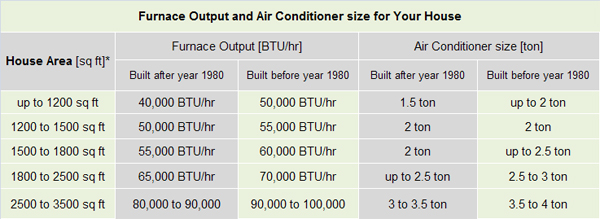
Okay, let's get down to brass tacks. The standard measurement for AC capacity is called a BTU, or British Thermal Unit. One BTU is the amount of energy needed to raise the temperature of one pound of water by one degree Fahrenheit. In general, for every square foot of living space, you need about 20 BTUs. So, for a 2500 square foot home, a rough estimate would be 2500 x 20 = 50,000 BTUs.
Must Read
Therefore, a 50,000 BTU air conditioner would seem like the perfect fit. However, before you rush out and buy one, hold your horses! There are other factors that can influence the ideal AC size for your specific home.
These factors include:
- Climate: If you live in a scorching hot climate, you might need a slightly larger unit. Conversely, if you live in a milder climate, you might be able to get away with something smaller.
- Insulation: Well-insulated homes require less cooling power. If your home is drafty and poorly insulated, you'll need more BTUs to compensate for the heat loss/gain.
- Window Size and Exposure: Large windows, especially those facing south or west, can let in a lot of heat.
- Ceiling Height: Higher ceilings mean more volume to cool.
- Number of Occupants: More people generate more heat.
- Appliances: Heat-generating appliances, like ovens and dryers, can impact the cooling load.
Because of these variables, it's always best to consult with a qualified HVAC professional. They can perform a heat load calculation to determine the precise BTU requirement for your home, taking all these factors into account. They can also advise you on the most energy-efficient and cost-effective AC options for your needs.
In conclusion, while a 50,000 BTU AC unit is a good starting point for a 2500 square foot home, it's crucial to consider all the variables that affect your home's cooling needs. Get a professional assessment, and you'll be well on your way to enjoying a cool and comfortable summer without breaking the bank!