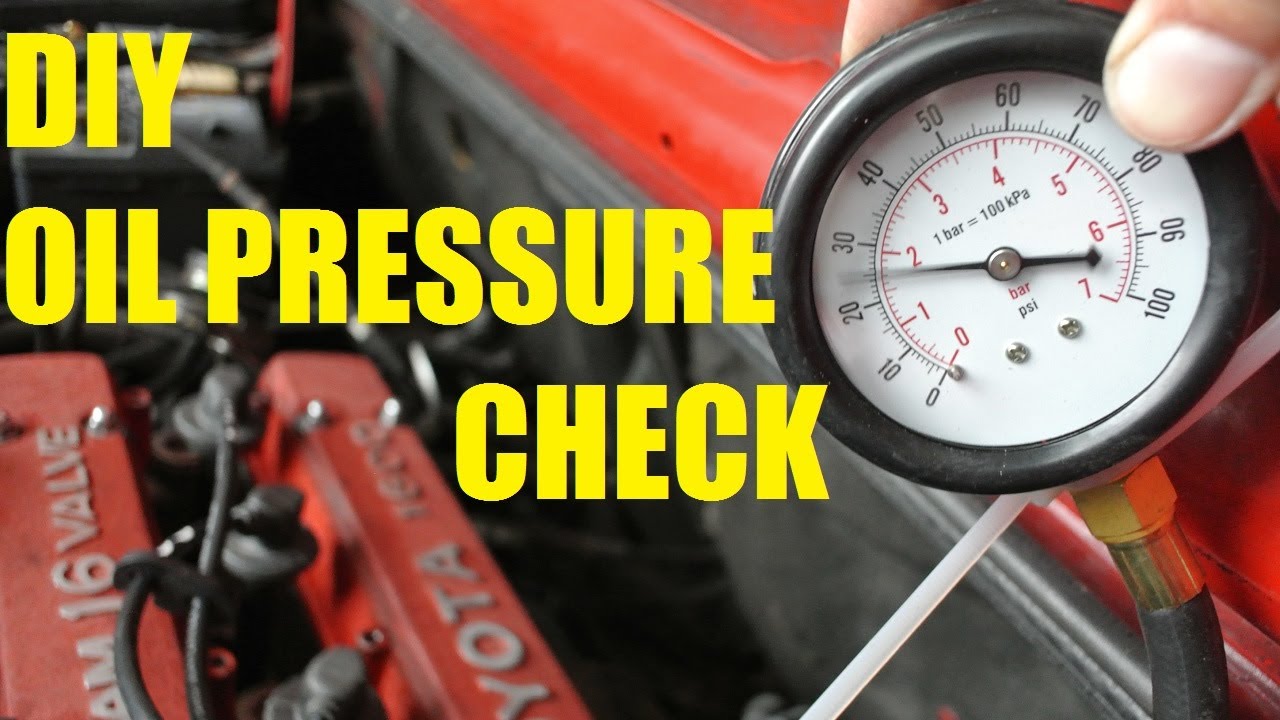
What Should My Oil Pressure Be While Driving
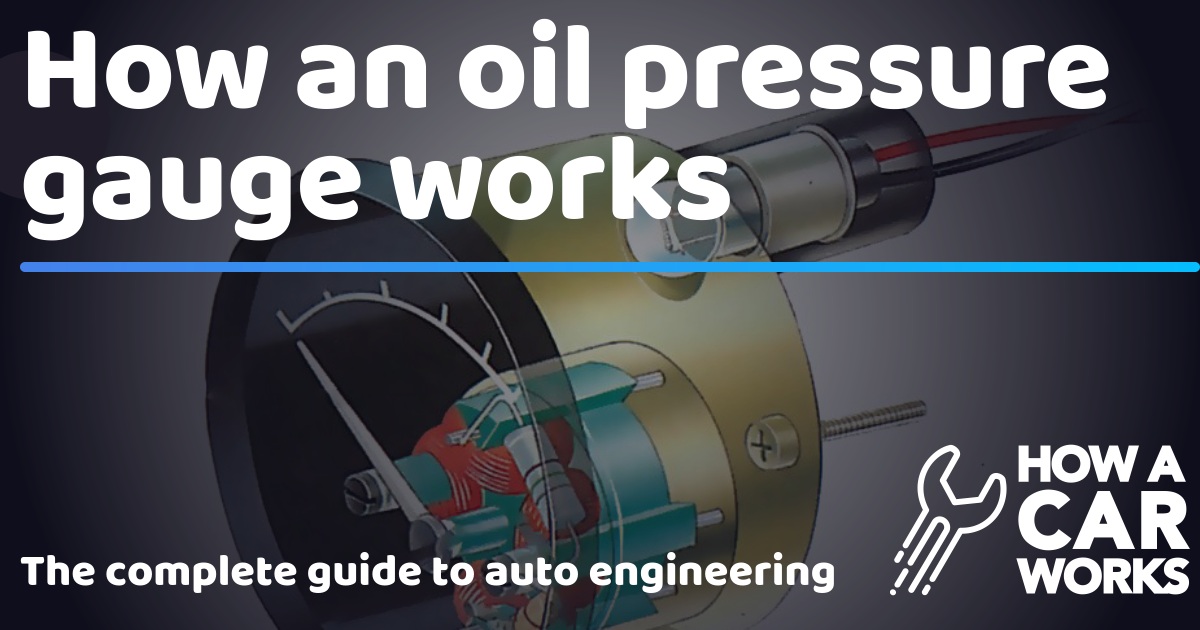
Okay, so you're cruising down the road, maybe belting out your favorite tune (guilty!), and you glance at your dashboard. Among all those little symbols and numbers, there's the oil pressure gauge. But do you ever wonder, like, really wonder, what that thing is trying to tell you? What should your oil pressure even be while you're driving? Let's dive in, shall we?
Why Oil Pressure Matters (Think Blood Pressure for Your Car)
Think of oil as the lifeblood of your engine. Seriously! It's what keeps all those metal parts from grinding against each other and turning into a very expensive paperweight. Oil pressure? That's how hard your engine's heart (the oil pump) is working to circulate that vital fluid. Low pressure? That's like your car having low blood pressure. Not good! High pressure? Also not ideal. We're aiming for that Goldilocks zone – just right.
So, why is this cool? Well, understanding your oil pressure is like having a superpower. You're getting a real-time peek into the health of your engine. That's pretty awesome, right?
Must Read
Decoding the Numbers: What's "Normal" Anyway?
Alright, let's get a little more specific. What does "normal" actually mean when we're talking oil pressure? Unfortunately, there's no one-size-fits-all answer. It depends on a few things:
- Your Car's Make and Model: Every engine is a little different, and manufacturers have different specs. Check your owner's manual! It's surprisingly useful, even if you usually only consult it when something breaks.
- Engine Temperature: When your engine is cold, the oil is thicker, so the pressure will usually be higher. As it warms up, the oil thins out, and the pressure drops a bit. Think of it like honey – it pours differently depending on whether it’s warm or cold.
- Engine Speed (RPMs): The faster your engine is working, the harder the oil pump works, and the higher the oil pressure. Makes sense, right?
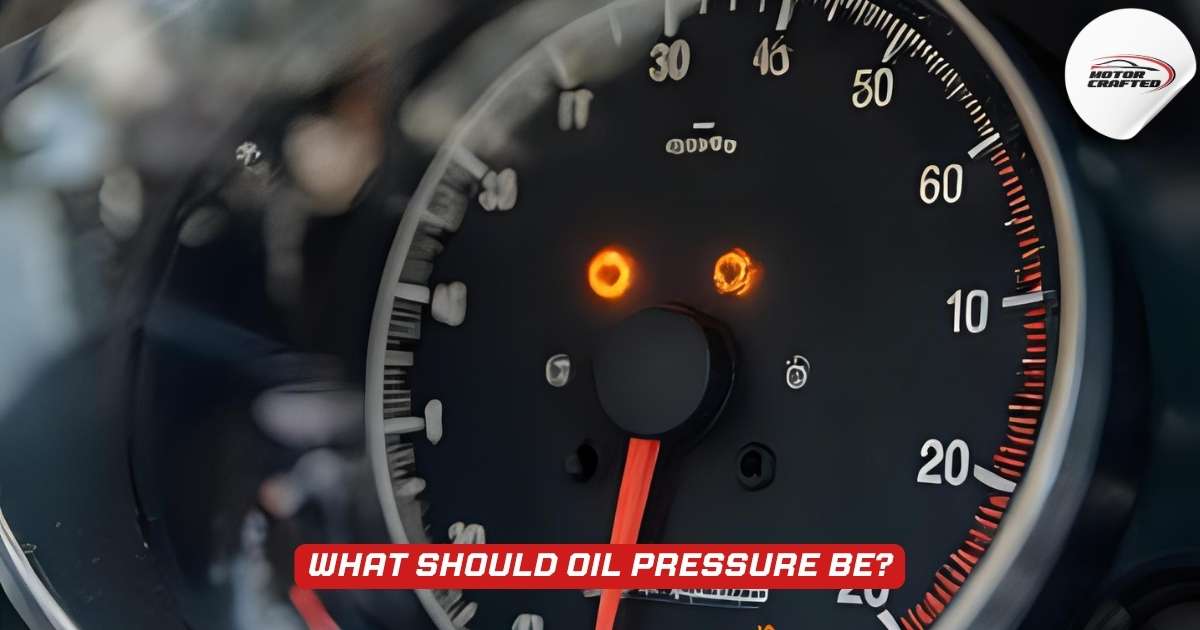
Generally speaking, you're probably in good shape if your oil pressure is somewhere between 25 and 75 PSI (pounds per square inch) when the engine is warmed up and you're driving at a moderate speed. But again, always check your owner's manual for the specific range recommended for your car.
Red Flags: When to Pay Attention
Okay, so what happens if your oil pressure isn't playing nice? Here's what to watch out for:
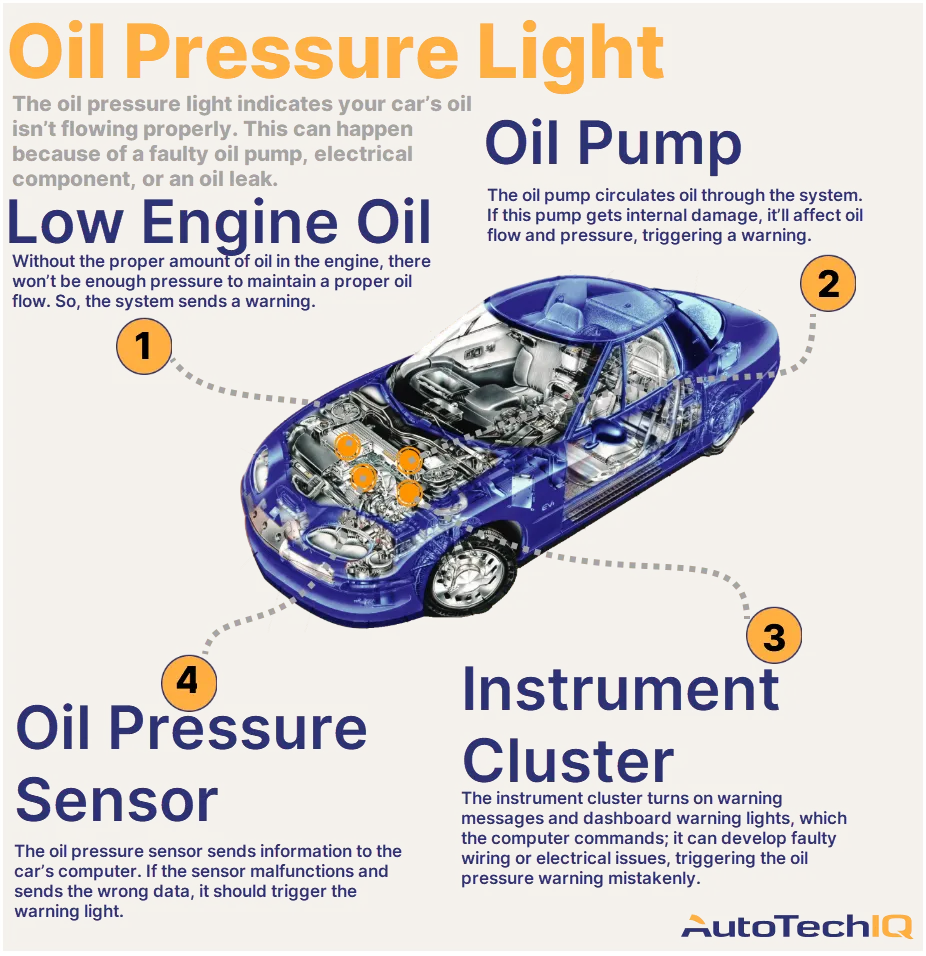
- Low Oil Pressure: This is a biggie. It could mean a few things: low oil level, a worn-out oil pump, a leak, or even a clogged oil filter. If you see the oil pressure light come on or the gauge drops to a very low reading, pull over safely as soon as possible and check your oil level. If the oil level is fine, you'll want to get it checked out by a mechanic ASAP. Driving with low oil pressure can seriously damage your engine.
- High Oil Pressure: While not as immediately catastrophic as low pressure, high oil pressure can still cause problems. It could be caused by a faulty oil pressure sensor, a clogged oil filter (again!), or even using the wrong type of oil. While a slightly higher-than-normal reading might not be an emergency, consistently high pressure should be investigated.
- Fluctuating Oil Pressure: If your oil pressure is bouncing around like a kangaroo on a trampoline, that's another sign something's not quite right. It could be a sign of air in the oil, a failing oil pump, or a problem with the oil pressure sensor.
Important Note: Always trust your senses! If something just feels off, even if the gauge reads within the "normal" range, it's always better to err on the side of caution. Get your car checked out!
The Bottom Line: Stay Informed, Stay Safe
Keeping an eye on your oil pressure is a simple but powerful way to keep your engine healthy and happy. By understanding what "normal" looks like for your car, you can catch potential problems early and avoid costly repairs down the road. It's like having a secret language with your car – and who wouldn't want that?
So, next time you're behind the wheel, take a peek at that oil pressure gauge. It's not just a random number; it's a vital sign. And by understanding it, you're becoming a more informed and responsible driver. Now, go enjoy the ride!