
What Should I Set My Heat To
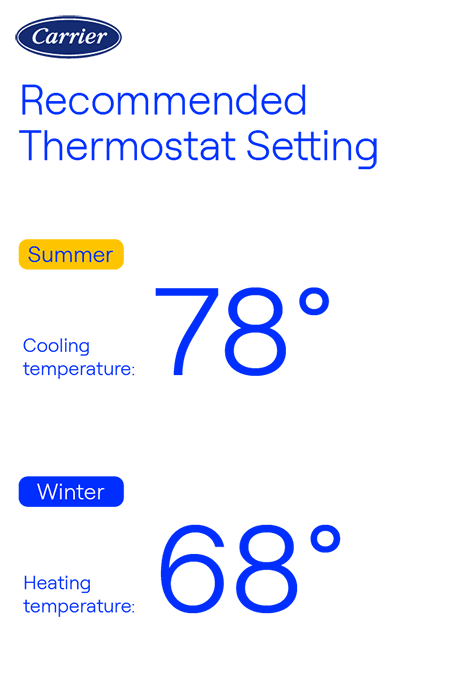
Ah, the thermostat. That little box on the wall, often the source of silent (or not-so-silent) battles in homes across the globe. It's more than just a temperature gauge; it's a declaration of comfort, a statement of personal preference, and, for many, a deeply philosophical question: What should I set my heat to?!
The Great Thermostat Conundrum: A Battle for Body Temperature Supremacy
Let's be honest, we've all been there. One person wants to turn their living room into a tropical rainforest where orchids could thrive, while the other is practically sporting an ice beard, muttering about "energy savings" and "polar bear migration routes." It’s the ultimate domestic standoff, often resolved by whoever gets to the thermostat first, usually with a dramatic flourish and a sigh that could power a small wind farm.
But fear not, fellow temperature warriors! While there’s no single, universal answer that will magically appease everyone (especially not your perpetually cold aunt or your inexplicably sweating teenager), we can at least navigate this fiery (or frosty) debate with some science, some common sense, and a healthy dose of humor.
Must Read
The Myth of the "Perfect" Number (and Why Your Partner Disagrees)
First things first: there's no magic number. Your ideal temperature is as unique as your fingerprint, your ability to remember where you put your keys, or your uncanny knack for finding the last cookie. Factors like your metabolism, what you’re wearing, how active you are, and even your mood can make 68°F feel like a cozy hug one day and a chilly shoulder shrug the next.
Did you know that the average human body temperature, long thought to be 98.6°F, is actually slightly lower now, closer to 97.9°F? Perhaps we’re all evolving to be a little cooler… literally. So, if you're feeling a bit chilly, maybe it's not you, it's evolution! Or, you know, just turn up the heat a degree or two.
Daytime Domestication: When You're Home and Not-So-Home
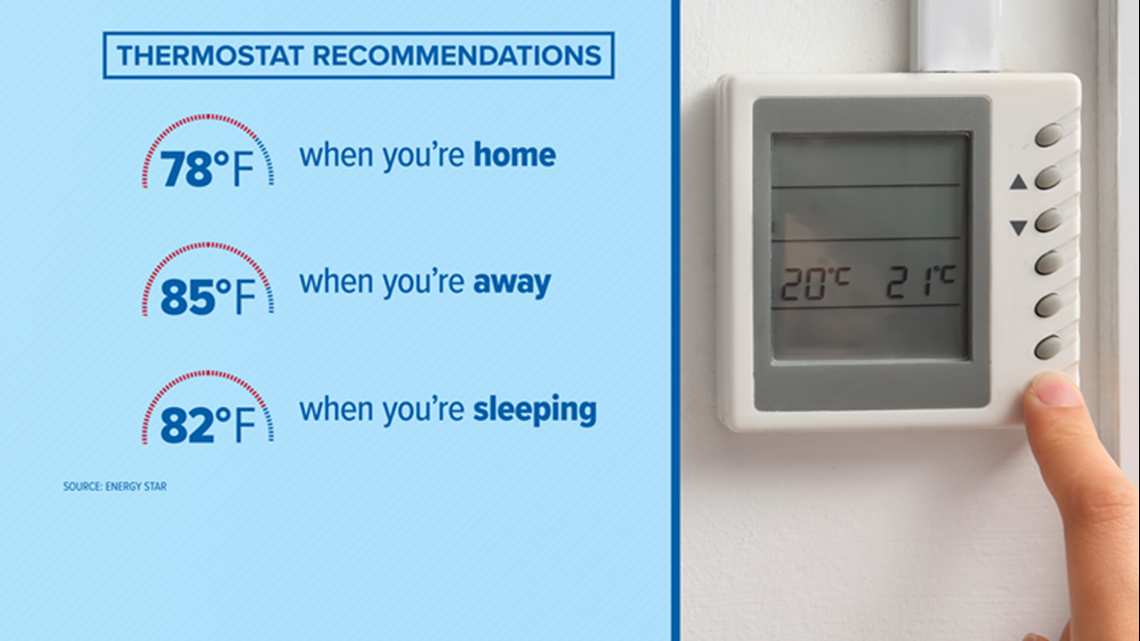
Let’s talk daytime. When you're actively at home, bustling about, making coffee, watching cat videos – you probably want to be comfortable. The general consensus for optimal comfort during waking hours is somewhere between 68°F and 72°F (20-22°C). This range allows for light clothing without feeling like you’re trying to survive a blizzard indoors. Think of it as the "sweater rule": if you need a sweater indoors, maybe you're a degree or two too low.
Now, what about when you’re out? If you're anything like me, you probably imagine your empty house throwing a wild party, cranking the heat up to sauna levels the moment you leave. But seriously, there’s no need to heat an empty house to human-level comfort. Lowering your thermostat when you're away is one of the easiest ways to save money. Many experts suggest setting it back by 7-10 degrees for at least eight hours. That means if you’re usually at 70°F, drop it to 60-63°F. Don't worry, your houseplants won't freeze, and your pipes will be fine unless it's truly arctic outside. Just remember to set it to start warming up about 30 minutes before you get home, so you don't return to a veritable igloo.
Nighttime Narnia: The Quest for Sleep and Savings
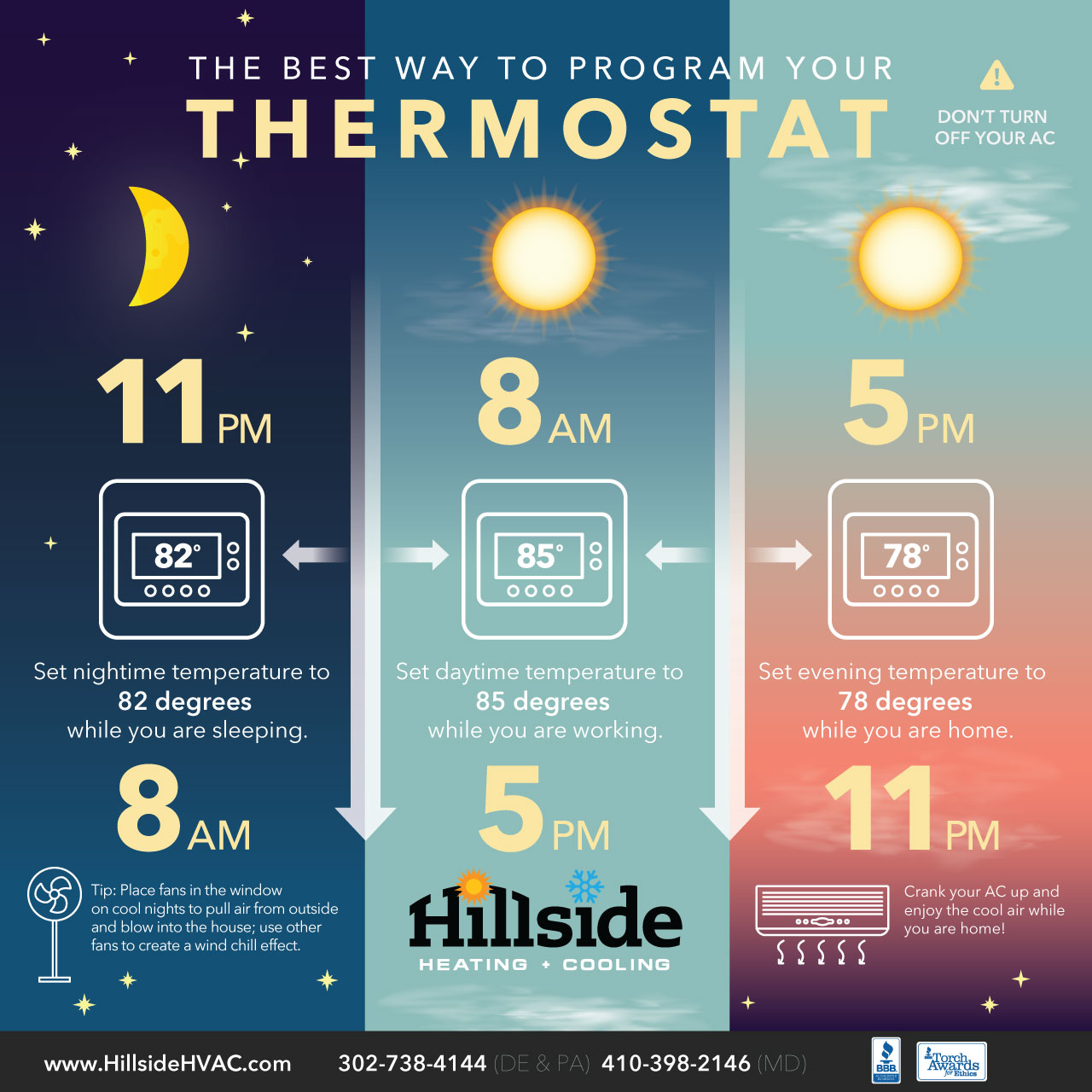
Sleeping is a whole different ballgame. You know that feeling when you're tucked under your duvet, but the room is just a little too warm, and suddenly you're in a wrestling match with your sheets, trying to find that one cool spot? Science backs this up! Your body naturally cools down at night to initiate sleep, and a cooler environment actually helps that process along.
Most sleep specialists recommend a bedroom temperature between 60°F and 67°F (15.6-19.4°C) for optimal shut-eye. Sounds chilly, right? But think about it: you’re under blankets, perhaps wearing pajamas. A cooler room encourages deeper, more restorative sleep. So, if you're currently trying to sleep in what feels like the Sahara Desert, consider dialing it down. Your dreams (and your energy bill) might thank you for it.
Unsung Heroes: The Science (and Humour) of Heating
Here’s a fun fact that might actually make you hug your thermostat (or at least consider its feelings): for every degree you lower your thermostat during the heating season, you can save 1-3% on your heating costs. Imagine that! Just a few clicks can add up to real money. That’s like finding a twenty-dollar bill in your old jeans, but every month!
And let's hear it for smart thermostats! These clever gadgets can learn your schedule, adjust temperatures automatically, and even be controlled from your phone while you’re stuck in traffic. They're the ultimate peacekeepers in the thermostat wars, silently mediating between comfort and cost, often with the wisdom of a seasoned diplomat.

For those with larger homes or very particular preferences, there's also zoning. Imagine being able to make your bedroom an arctic tundra for perfect sleep while the living room remains a balmy oasis for evening lounging. It’s like having multiple climate zones in your house – truly the dream for thermostat-challenged households!
The Verdict: There Isn't One, But Here's a Hunch
So, what's the bottom line? There isn't a single, definitive answer to "What should I set my heat to?" It's a dance between comfort, cost, and personal preference. However, if you're looking for a good starting point, a general guideline often recommended by energy experts goes something like this:
- When you're home and awake: Aim for 68-72°F (20-22°C).
- When you're sleeping or away: Drop it down to 60-67°F (15.6-19.4°C).
Experiment a little! Find what works for you and your household. And remember, a little communication (and maybe a few strategically placed blankets or fans) can go a long way in keeping the thermostat wars from escalating into a full-blown climate crisis within your home. Happy heating (or cooling, depending on your perspective)!