
What Should Hardness Of Water Be
Hey there, water whisperer! Ever stood by your kitchen tap, pondering the deep, philosophical question of... wait for it... water hardness? Yeah, probably not. Most of us just turn on the faucet and hope for the best. But guess what? The hardness (or softness) of your water actually plays a pretty big role in your daily life, from how your coffee tastes to how shiny your hair is. So, let's dive into this surprisingly fun topic!
What’s the Deal with Hard Water Anyway?
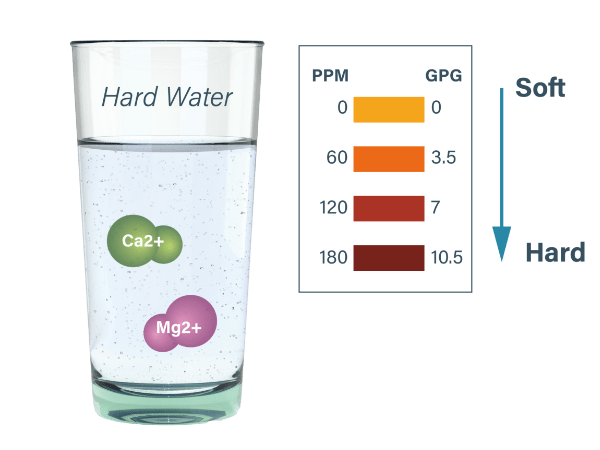
Okay, first things first: what is hard water? Don’s put on your lab coat just yet; it’s super simple. Hard water just means it has a higher concentration of dissolved minerals, primarily calcium and magnesium. Think of it like water that’s been on a little mineral shopping spree through rocks and soil before it gets to your tap. Soft water, on the other hand, is like the minimalist friend who travels light – fewer minerals, less fuss.
And no, it’s not hard to lift, despite the name! (Wink.)
Must Read
The "Oh-No-My-Water-Is-Too-Hard" Saga
So, what happens if your water has been hitting the mineral gym a bit too hard? Well, you’ve probably noticed the tell-tale signs: that annoying white, crusty buildup on your showerhead, the foggy spots on your otherwise sparkling dishes, or the feeling that no matter how much you rinse, your soap just won't quite lather up properly. That's hard water, flexing its mineral muscles!
It’s not just an aesthetic issue, either. Hard water can be tough on your appliances. Your dishwasher, washing machine, and even your trusty coffee maker can start to accumulate that mineral scale, leading to decreased efficiency and a shorter lifespan. It’s like their tiny internal organs are getting clogged! And yes, it can make your hair feel a bit dull and your skin a tad dry. Nobody wants that!
Essentially, very hard water is a bit of a party pooper. It means more scrubbing for you, more soap, and potentially higher energy bills as appliances work harder. Bummer!
The "Whoa-My-Water-Is-Too-Soft" Story
Now, you might be thinking, "Great! I want my water to be as soft as a cloud!" But hold your horses, cowboy. Too much of a good thing can also be... well, too much. Super soft water has its own set of quirks. Ever showered in water that felt like the soap would never rinse off? That's typically very soft water, giving you that 'slippery' feeling.
While great for lathering, extremely soft water can sometimes feel a bit... flat, taste-wise. Those minerals we mentioned earlier? They actually contribute to water's flavor profile. Without them, water can sometimes lack that refreshing 'zing.' Plus, extremely soft water, especially if it’s been treated with certain chemicals or has a naturally low pH, can potentially be more corrosive to your pipes over time. We're talking slow, sneaky corrosion, not a dramatic Hollywood movie explosion, so don't panic!
Finding the Goldilocks Zone: Just Right!
So, if super hard is a pain and super soft has its quirks, what’s the sweet spot? The truth is, there isn't one universal magic number, but rather a range that’s generally considered ideal. Most water experts (and your taste buds!) would agree that moderately hard to slightly hard water is often the best balance.
- For taste: A little mineral content often makes water taste more pleasant and refreshing. Think of it like adding a pinch of salt to a dish – it enhances the flavor!
- For your health: Those calcium and magnesium minerals in hard water are actually beneficial nutrients. So, a moderate amount is a tiny, delicious health bonus.
- For your home: Moderately hard water reduces the scale buildup issues of very hard water while avoiding the potential slipperiness and pipe concerns of very soft water. It’s the peace treaty between your plumbing and your palate!
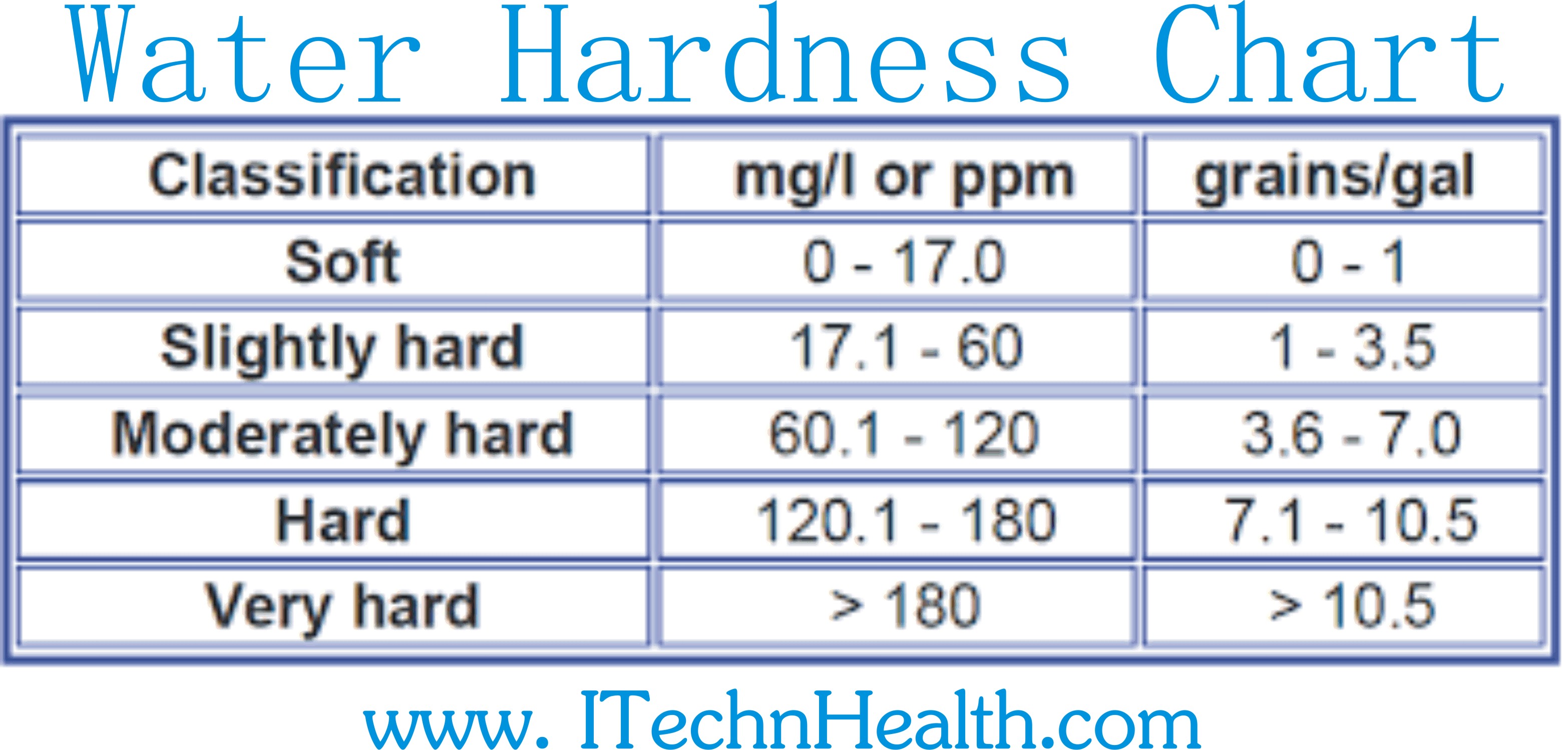
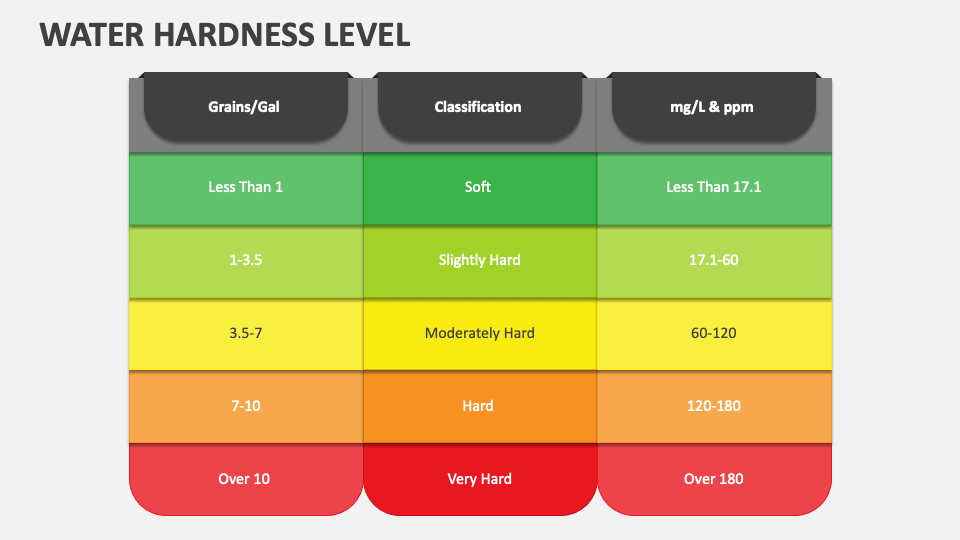
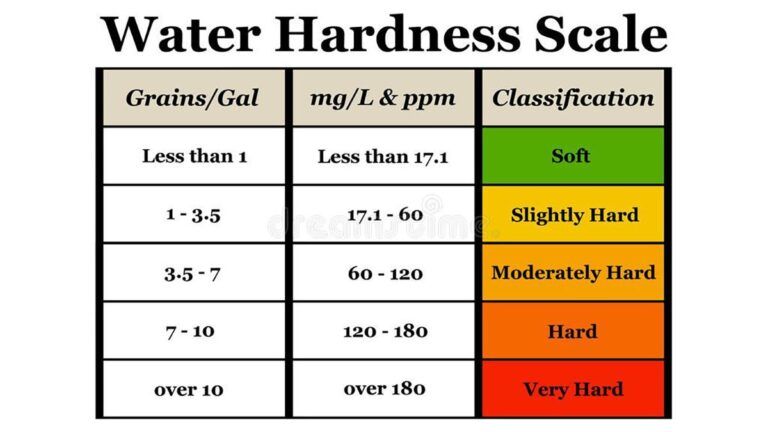
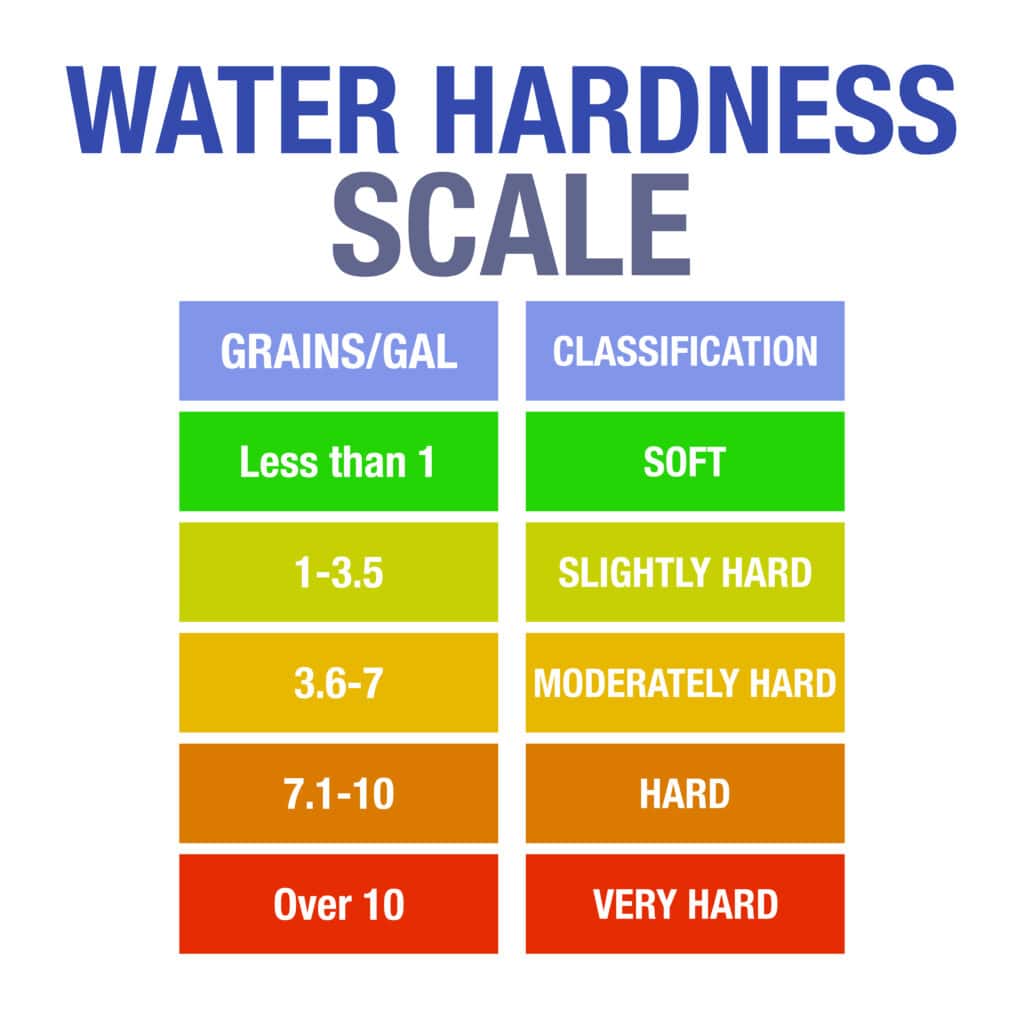
A common guideline considers water with 60 to 120 milligrams per liter (mg/L) of calcium carbonate (or 3.5 to 7 grains per gallon) to be in the moderately hard range – often the happy medium many people prefer.
How Do You Know Your Water's Vibe?
Curious about your own water's personality? It's easy peasy! You can:
- Check your local municipal water report online (they often publish these annually).
- Grab a simple home water test kit from a hardware store or online.
- Ask your neighbors – chances are, they've pondered it too!
So, What Should You Do?
Ultimately, the "ideal" hardness is a bit subjective. What feels perfect to you might be slightly different for your neighbor. If your water is extremely hard and causing headaches (and scrubbing!), a water softener might be a fantastic investment. If it’s super soft and you miss that mineral taste, some filtration systems can actually re-mineralize your water slightly.
But for most of us, if our water falls into that delightful moderately hard range, we can just sit back, relax, and enjoy a perfectly balanced sip.
So, next time you fill up your glass, give a little nod to your water. Whether it's been on a mineral-rich adventure or travelling light, knowing a bit about its hardness helps you appreciate every drop. And remember, life’s all about finding that perfect balance, whether it's in your morning coffee or the very water that brews it! Here’s to happy hydration and perfectly balanced sips!