
What Should A Heater Be Set At
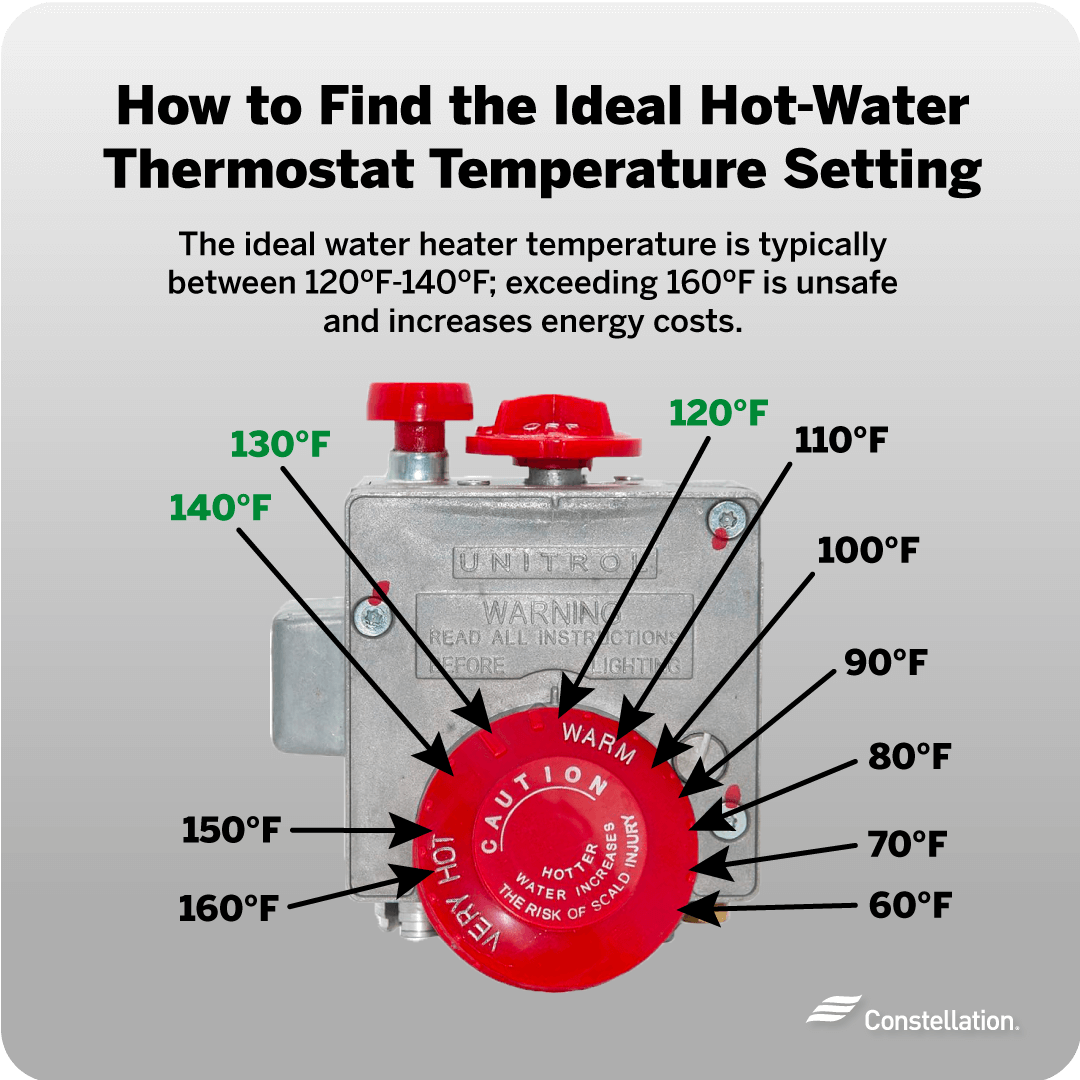
Ever stare at your home’s thermostat, wondering what magic number it should be set to? You're definitely not alone! It’s a bit like Goldilocks and the three bears: too hot, too cold, or just right. Finding that "just right" spot isn't just about comfort; it's also about keeping your wallet happy and your home efficient.
Think about it. Your heater works hard to keep you toasty. But is it working too hard? Or perhaps not hard enough? Getting the settings right can feel like solving a cozy puzzle, but once you crack it, you’ll feel like a genius!
The sweet spot for most homes, according to energy experts, often hovers around a specific range. We’re talking about finding that perfect balance where you’re snug without feeling like you’re living in a tropical rainforest, or, conversely, an igloo.
Must Read
The Golden Rules of Warmth: Daytime Comfort
When you're actively at home during the day, you want to be comfortable, right? Nobody enjoys shivering while watching their favorite show or making dinner. Most experts suggest setting your heater to around 68-70 degrees Fahrenheit (20-21 degrees Celsius).
This temperature range is widely considered the optimal sweet spot for general comfort. It's warm enough to keep the chill at bay without making your heating system work overtime. Plus, it helps keep those dreaded energy bills from climbing too high.
Going much higher than this can start to feel a bit stuffy, and it certainly won't do your energy consumption any favors. Every degree you crank it up can add a surprising amount to your monthly costs!
When You're Out and About
Are you heading out for work, school, or just running errands? This is where your heater can take a well-deserved break! There’s no point in heating an empty house, is there?
When your home is vacant for several hours, it's smart to dial down the thermostat. Aim for something like 60-65 degrees Fahrenheit (16-18 degrees Celsius). This prevents your pipes from freezing in very cold weather and ensures your house doesn't get completely frigid, making it easier to warm up later.
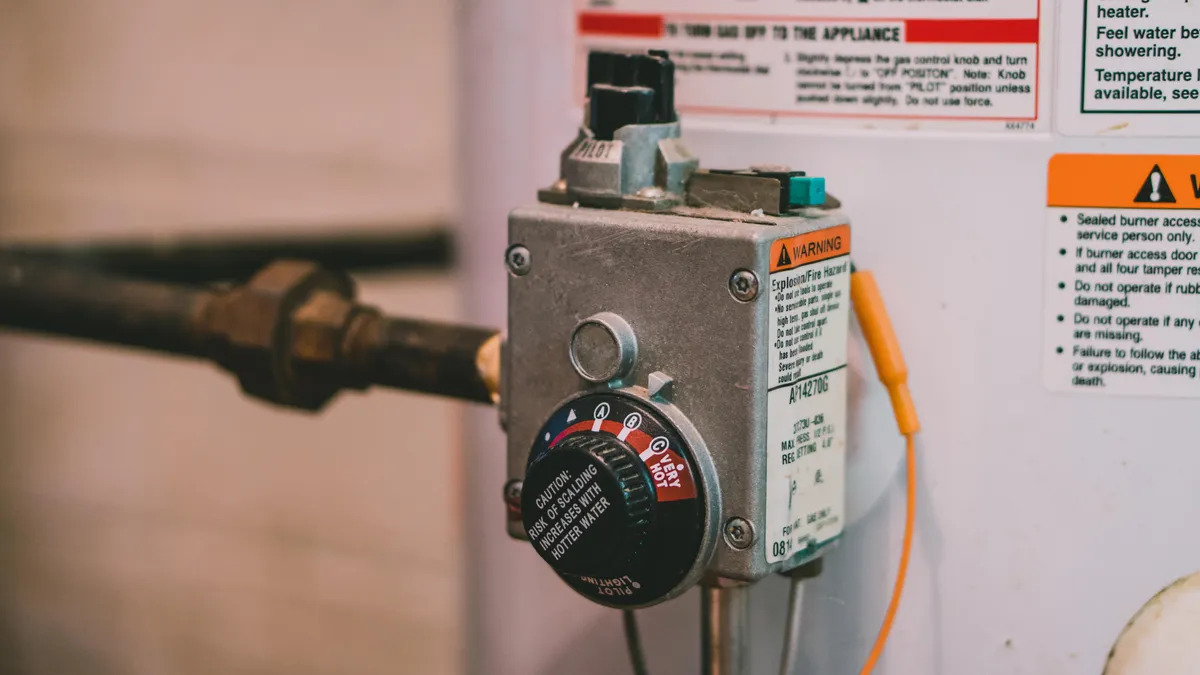
Just a few degrees can make a big difference over several hours. Think of it as giving your heater a mini-vacation while you’re out, only to have it ready to spring back into action when you return.
Nighttime Nooks: Sleeping Soundly
When bedtime rolls around, your heating needs change again. Many people prefer a cooler sleeping environment. It's often recommended for better sleep quality, believe it or not!
Try setting your thermostat to somewhere between 60-65 degrees Fahrenheit (16-18 degrees Celsius) overnight. This cooler temperature can actually help your body regulate its temperature for deeper, more restful sleep. Plus, you're tucked under warm blankets anyway!
Some even go a bit lower, especially if they have super cozy duvets. Experiment a little to find what feels right for your best sleep. Remember, comfort is key, but efficiency is a close second!
Understanding Setbacks and Schedules
This whole "different temperatures for different times" thing might sound like a lot of fiddling with buttons, right? Thankfully, modern technology makes it super easy. We're talking about programmable thermostats!
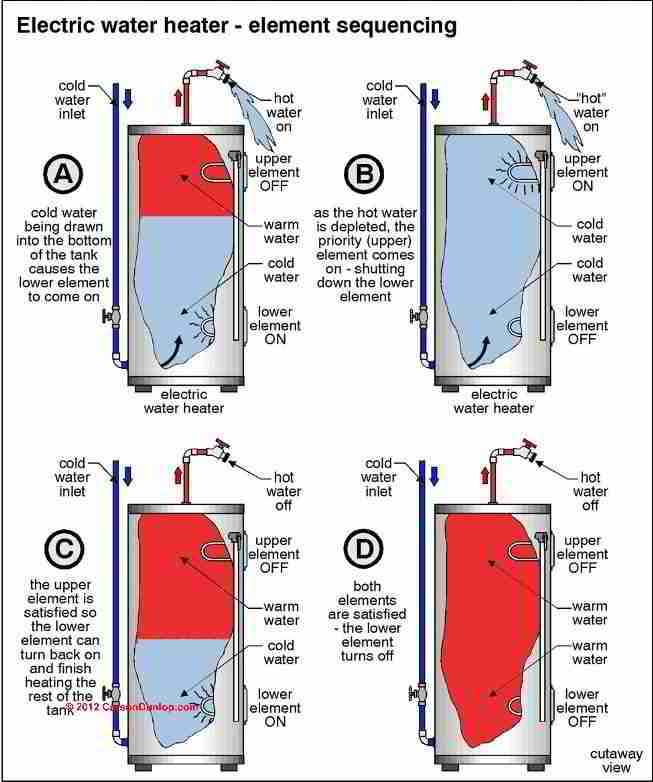
A programmable thermostat is your best friend in this scenario. You can set it once, and it will automatically adjust the temperature throughout the day and night. It's like having a tiny, energy-saving butler for your heating system.
Imagine: waking up to a warm house, having it cool down while you're at work, and then warming up again just before you walk through the door. All without touching a single dial! It’s the ultimate convenience and efficiency booster.
Special Considerations: Who Else Is Home?
While 68-70 degrees Fahrenheit is a great general guideline, sometimes you need to adjust for specific household members. Think about the tiny tots or the more seasoned residents.
For homes with infants, young children, or elderly family members, a slightly warmer setting might be more appropriate. Their bodies can be more sensitive to colder temperatures, so a degree or two higher, perhaps 70-72 degrees Fahrenheit (21-22 degrees Celsius), could provide better comfort and health.
Even pets can appreciate a consistent temperature! While they have fur coats, extreme cold isn't ideal for them either. Keeping within the recommended comfort zones generally works well for our furry friends too.
The Power of Smart Thermostats
Want to really level up your heating game? Enter the smart thermostat. These gadgets are like the super-geniuses of home heating.
Devices like the Nest or Ecobee don't just let you program schedules; they learn your habits. They can sense when you're home or away, track local weather, and even tell you how much energy you're saving.
You can control them from your phone, even when you’re miles away! Forgot to turn down the heat before leaving for vacation? No problem, just tap an app. It's not just about setting a temperature; it's about intelligent, adaptive heating.
Beyond the Numbers: Other Ways to Stay Warm and Save
Setting your thermostat correctly is a huge step, but there are other tricks up your sleeve to maximize comfort and minimize costs. Think of these as bonus levels in your heating efficiency game!
Seal those drafts! Gaps around windows and doors are like tiny escape routes for your precious warm air. Weatherstripping and caulk are your best friends here. A small investment can lead to big savings and a much cozier home.
Ever thought about your curtains? Open them up during sunny days to let natural warmth in, then close them at night to act as an extra layer of insulation. It's a simple, free trick that makes a difference.
Maintenance Matters
Just like a car, your heating system needs a little TLC. Regular maintenance, like changing air filters, ensures your heater runs efficiently. A clogged filter makes your system work harder, using more energy and potentially shortening its lifespan.
Consider a professional check-up once a year. A technician can spot small issues before they become big, expensive problems. It's an investment in your comfort and your home's longevity.
"An ounce of prevention is worth a pound of cure," especially when it comes to your heating system! Keeping it in top shape means less stress, more warmth, and happier energy bills.
Finding Your Personal Perfect
Ultimately, the "perfect" heater setting is a blend of expert recommendations, personal comfort, and your home’s unique characteristics. Don't be afraid to experiment slightly within the recommended ranges to find what feels right for you and your family.
Start with the suggested 68-70 degrees Fahrenheit during the day and 60-65 degrees Fahrenheit at night or when away. Then, listen to your body and your budget. Are you comfortable? Are your bills reasonable?
Making small adjustments and taking advantage of programmable or smart thermostats can transform your home heating experience. It's about being smart, staying warm, and saving money – all at the same time. Happy heating!