
What Sealant To Use On Rv Roof

Alright, so picture this: You’re out there, living the dream in your RV, maybe parked by a serene lake or nestled deep in a national park. The birds are chirping, the coffee’s brewing, life is good. Then, drip. You look up. It’s a tiny, almost imperceptible drop of water, mocking you from a ceiling vent. Your heart does that little plummet thing. Is it happening? Is this the beginning of the end? You know the feeling, right? That sudden, cold dread that your beloved home-on-wheels might just be slowly, silently, becoming a giant sponge. Yeah, been there, felt that. And that, my friends, is precisely why we need to have a serious, yet totally chill, chat about your RV roof sealant.
Because let’s be real, your RV roof is the unsung hero, the first line of defense against Mother Nature’s mood swings. Rain, snow, sun, hail – it takes a beating. And what keeps that roof doing its job, day in and day out? You guessed it: sealant. But oh, the choices! It’s like standing in the candy aisle as a kid, but instead of gummy bears versus chocolate bars, it’s Dicor versus GeoFlex versus Alpha Systems. Confusing, much?
Why Even Bother with the Right Stuff?
Okay, maybe that drip was just condensation. Maybe. But what if it wasn't? Water ingress into an RV isn't just a minor annoyance; it's a structural nightmare waiting to happen. We're talking rot, mold, delamination, electrical issues, and a significantly lighter wallet when it comes time for repairs. So, using the right sealant isn't just about being particular; it's about safeguarding your investment and your peace of mind. Trust me, future-you will thank past-you for getting this right.
Must Read
Know Your Roof, Know Your Sealant
Before you even think about grabbing a caulk gun, you absolutely, positively need to know what kind of roof your RV has. This isn't just a suggestion; it's the golden rule. Why? Because sealants are designed to work with specific materials. Slap the wrong stuff on, and you could actually do more harm than good. Most common types:
- EPDM Rubber: Often looks a bit like a bicycle inner tube, might have a chalky feel. Very common on older RVs.
- TPO (Thermoplastic Polyolefin): Newer, more durable than EPDM, usually smoother. Increasingly popular.
- Fiberglass: Smooth, hard, often painted. Think of boat hulls.
- Aluminum: Less common for the main roof membrane but found on some older models or specific areas.
Check your RV manual, or if you're like me and the manual is long gone (or buried under a mountain of camping gear), look for identification stickers or ask the previous owner/dealer. Don't guess!
The Big Players in the Sealant Game
Alright, once you know your roof type, let's talk about the heroes of the sealing world. These are the go-to products that most RVers (and pros) swear by:
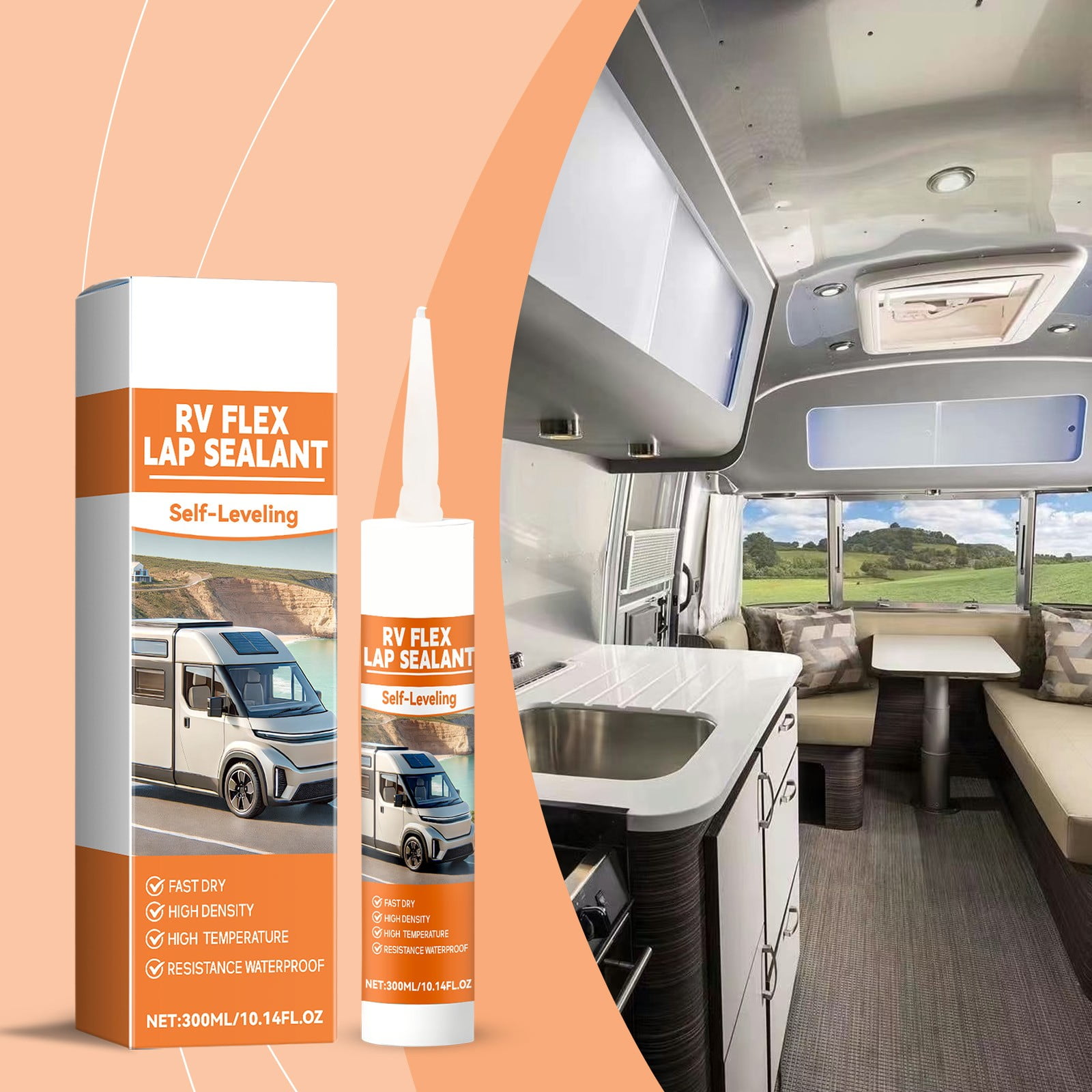
1. Dicor Self-Leveling Lap Sealant
This is probably the most famous RV sealant out there, and for good reason. It’s like magic for your roof. Designed for horizontal surfaces (the flat parts of your roof), it literally levels itself out, filling in gaps around vents, skylights, antenna mounts, and anywhere else there’s a penetration. It cures to a durable, flexible, watertight seal. Pro tip: Make sure you get the one compatible with your roof material (EPDM/TPO or specific for fiberglass).
2. Dicor Non-Sag Lap Sealant (or similar brands like GeoFlex)
Think of this as the sibling to the self-leveling version. The "non-sag" part is key here. It's for vertical surfaces – the edges of your roof where it meets the sidewalls, corner moldings, and other areas where gravity would make a self-leveling product run. It holds its shape perfectly, giving you a clean, robust seal. Again, compatibility is paramount!

3. Butyl Tape
This sticky, pliable tape is often used underneath fixtures like vents, skylights, or trim before they are screwed down. It creates an initial, incredibly strong seal against water intrusion, acting as a gasket. Then, you apply the lap sealant (self-leveling or non-sag) over the edges of the fixture and the screw heads for a secondary, bulletproof barrier. It’s a dynamic duo, folks!
4. Roof Coatings (like Liquid Rubber or EternaBond)
While not strictly "sealants" in the spot-repair sense, these are worth a mention. If your entire roof membrane is showing signs of age, cracking, or minor leaks all over, a full roof coating can be a fantastic way to rejuvenate and seal the entire surface. They essentially put a new protective layer over your existing roof. EternaBond tape is also fantastic for repairing larger cracks or tears before coating, or for permanent patching.

The Big No-No: Silicone!
Okay, put down that tube of generic silicone caulk you might have lying around for your bathroom. DO NOT use silicone on your RV roof. I repeat, do not! While it seems like a good idea (it's waterproof, right?), silicone doesn't adhere well to most RV roofing materials long-term. More importantly, once you use silicone, almost nothing else will stick to it later, making future repairs a nightmare. You’ll have to scrape every last bit off, and trust me, that’s not a fun afternoon project.
Putting It All Together: Your Sealant Strategy
So, you’ve identified your roof, you’ve got your compatible sealant (probably Dicor), and maybe some butyl tape. Now what?
- Inspect Regularly: At least twice a year, get up on that roof (safely, please!) and give it a good visual inspection. Look for cracks, shrinking, peeling, or any gaps around fixtures.
- Clean, Clean, Clean: Before applying any new sealant, the surface must be impeccably clean and dry. Use an RV-specific roof cleaner and a good scrub. Remove any loose or degraded old sealant.
- Apply Carefully: Follow the product instructions! Apply an even bead, ensuring full coverage over existing seams and around fixtures. Don't be shy, but don't glob it on like frosting either.
Investing a little time and the right materials now will save you a massive headache (and potentially thousands of dollars) down the road. It’s part of the RV adventure, isn’t it? A little bit of elbow grease, a little bit of knowledge, and a whole lot of peace of mind. Now go forth and seal, my friend, seal!
