
What Refrigerant Is Used In Home Air Conditioners
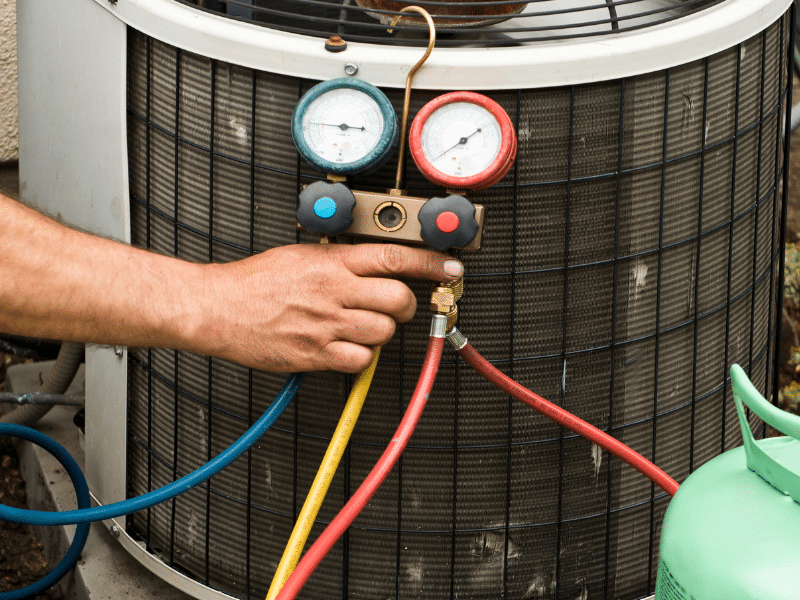
Ever wonder how your AC magically blasts icy air on a sweltering summer day? It's not just sorcery, though it might seem like it! The secret ingredient is something called refrigerant.
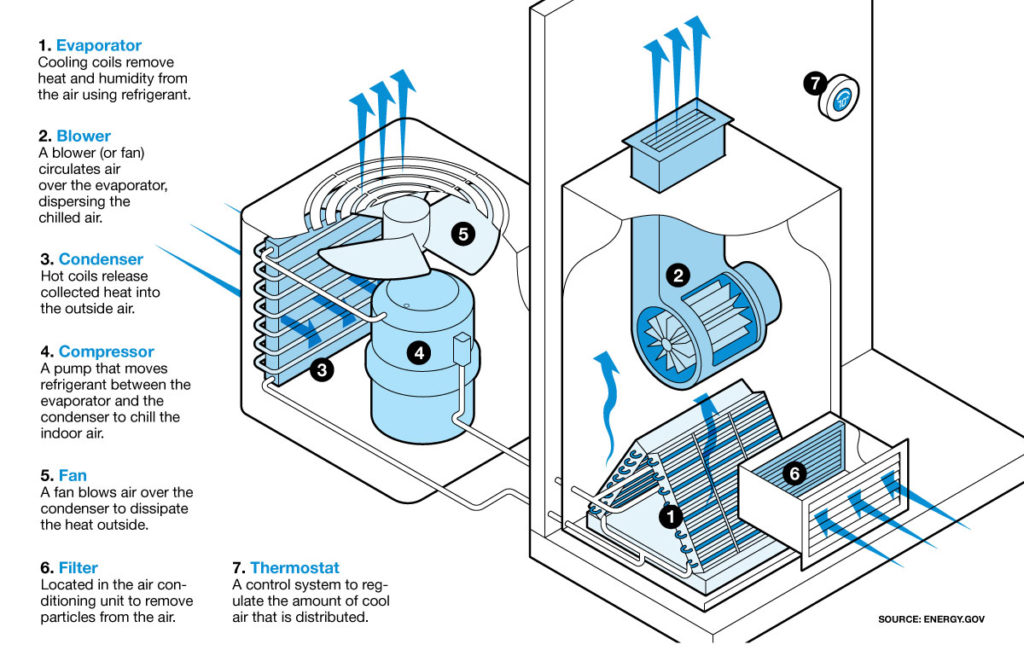
Think of refrigerant as the cool cat of your AC system. It's a special fluid that goes on a wild ride, absorbing heat inside your house and releasing it outside. Pretty neat, right?
The Refrigerant Rockstar: R-410A
For years, the reigning champion of home AC refrigerants has been R-410A. You might also hear it called Puron, a popular brand name. It's been the go-to choice for many air conditioning systems.
Must Read
Why was R-410A so popular? It was a much better option than older refrigerants that were causing problems for the environment. Basically, it was the responsible choice for keeping your home cool and helping the planet.
But even rockstars have their day in the sun. There's a new kid on the block, ready to steal the spotlight!
The New Kid: R-32
Get ready to say hello to R-32! This refrigerant is quickly becoming the new standard for home air conditioners. It’s poised to take over the cooling world, one BTU at a time.
So, what makes R-32 so special? Well, it's even more environmentally friendly than R-410A. Plus, it's more energy-efficient, which means you could save some serious money on your electricity bill. Who doesn't love that?
Think of it like upgrading from a regular bicycle to a super-charged electric bike. You still get where you need to go, but it's faster, easier, and better for the environment!
Why the Change? The Ozone Layer and Global Warming
Okay, let's get a little science-y for a second (but don't worry, it'll be quick!). Older refrigerants, like R-22 (also known as Freon), were found to be harmful to the ozone layer.
The ozone layer is like Earth's sunscreen, protecting us from harmful UV rays. When refrigerants like R-22 leaked into the atmosphere, they started munching away at that sunscreen, which is definitely not a good thing.
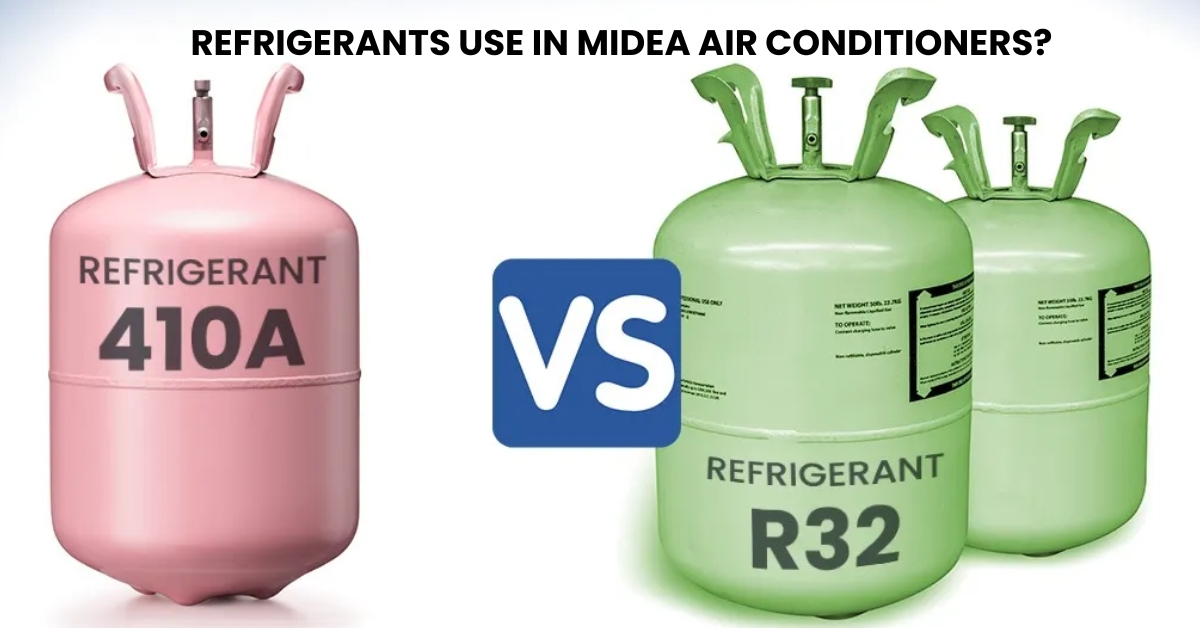
R-410A was a big improvement because it doesn't harm the ozone layer. However, it still has a relatively high Global Warming Potential (GWP). GWP is a measure of how much a greenhouse gas contributes to global warming.
That's where R-32 comes in! It has a significantly lower GWP than R-410A. This means it has less of an impact on global warming, making it the environmentally responsible choice for the future.
Is My AC Using the Right Refrigerant?
Curious about what refrigerant your AC is using? It's easy to find out! Just take a peek at the unit itself. There should be a sticker or label that clearly states the type of refrigerant used.
It's usually located on the outdoor unit, but sometimes it can be found on the indoor unit as well. Just keep an eye out for it. The label should say something like "Contains R-410A" or "Uses R-32 refrigerant."
If you're having trouble finding it, don't hesitate to call a qualified HVAC technician. They'll be able to identify the refrigerant and answer any questions you have.
Retrofitting: Can I Switch to R-32?
So, you're thinking about switching your old AC system to R-32? Unfortunately, it's not as simple as swapping out the refrigerant. Air conditioning systems are designed to work with specific types of refrigerants.
R-32 operates at different pressures than R-410A and requires different components. Trying to use R-32 in a system designed for R-410A could damage your AC and even be dangerous.

The best course of action is to wait until your current AC system needs to be replaced. When that time comes, you can upgrade to a new system that's specifically designed to use R-32.
The Future of Refrigerants: What's Next?
The world of refrigerants is constantly evolving. Scientists and engineers are always working on new and innovative solutions that are even more environmentally friendly and energy-efficient.
Who knows what the next big breakthrough will be? Maybe we'll have AC systems powered by unicorn tears and rainbows (okay, maybe not, but a guy can dream!).
But one thing is for sure: the future of cooling is looking bright, and it's all thanks to the amazing science behind refrigerants!
Why Should You Care About Refrigerant?
Okay, so maybe you're not a scientist or an engineer. But why should you care about what refrigerant your AC uses? There are a few good reasons.
First and foremost, it impacts the environment. Choosing a system with a low-GWP refrigerant like R-32 is a small but significant way to reduce your carbon footprint and help protect the planet.
Secondly, it can affect your energy bill. More energy-efficient refrigerants can help you save money on your monthly electricity costs. That's money you can use for more important things, like pizza and movie nights!
Finally, knowing about refrigerants can help you make informed decisions when it comes to replacing or repairing your AC system. You'll be able to ask the right questions and choose the best option for your needs and budget.

Finding a Qualified HVAC Technician
When it comes to dealing with refrigerants, it's always best to leave it to the professionals. Refrigerants can be dangerous if handled improperly, and you could end up damaging your AC system or even harming yourself.
That's why it's so important to find a qualified and experienced HVAC technician. Look for someone who is licensed, insured, and has a good reputation in your community.
A good technician will be able to properly diagnose any issues with your AC system, safely handle refrigerants, and recommend the best solutions for your needs. They can also advise you on the latest refrigerant technologies and help you choose a system that's both efficient and environmentally friendly.
Don't Be Afraid to Ask Questions!
The world of air conditioning can seem a little mysterious and complicated. But don't be afraid to ask questions! Your HVAC technician is there to help you understand your system and make informed decisions.
Ask them about the type of refrigerant your AC uses, its environmental impact, and its energy efficiency. Ask them about the pros and cons of different refrigerants and whether or not it's possible to upgrade to a more environmentally friendly option.
The more you know, the better equipped you'll be to keep your home cool and comfortable while also doing your part to protect the planet. So go ahead, unleash your inner curiosity and become a refrigerant expert!
R-32: A Safer Choice
Another aspect to consider is the flammability of refrigerants. While neither R-410A nor R-32 are highly flammable, R-32 is classified as mildly flammable.
However, this shouldn't cause alarm. The concentration needed for it to ignite is very high and unlikely to occur in a typical residential setting. Air conditioning systems are also designed with safety features to prevent leaks and minimize any potential risks.
Overall, R-32 is considered a safe and effective refrigerant for home air conditioners, and its environmental benefits far outweigh any minor flammability concerns.
The Global Push for R-32
It's not just in your neighborhood that R-32 is becoming popular; it's a global trend! Many countries around the world are phasing out R-410A and adopting R-32 as the new standard for residential air conditioning.
This worldwide effort is driven by the desire to reduce greenhouse gas emissions and combat climate change. By switching to refrigerants with lower GWPs, we can collectively make a significant impact on the environment.
So, when you choose an AC system with R-32, you're not just keeping your home cool; you're also joining a global movement to create a more sustainable future!
Beyond the Basics: Refrigerant Leaks
Even the best AC systems can sometimes develop refrigerant leaks. If you notice your AC isn't cooling as well as it used to, or if you hear a hissing sound coming from the unit, it could be a sign of a leak.
Refrigerant leaks can be harmful to the environment and can also damage your AC system. It's important to have them repaired as soon as possible by a qualified HVAC technician.
They have the tools and expertise to safely locate and repair leaks, and they can also recharge your system with the proper amount of refrigerant. This will help your AC run efficiently and keep your home cool and comfortable all summer long.