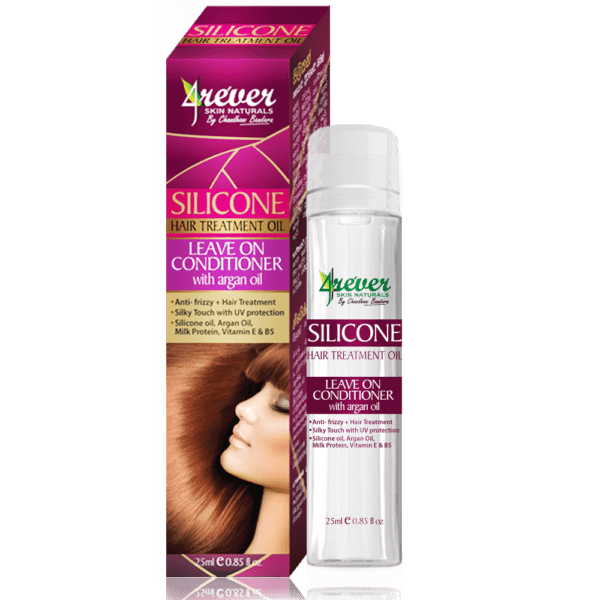
What Purpose Does Silicone Serve In Conditioners
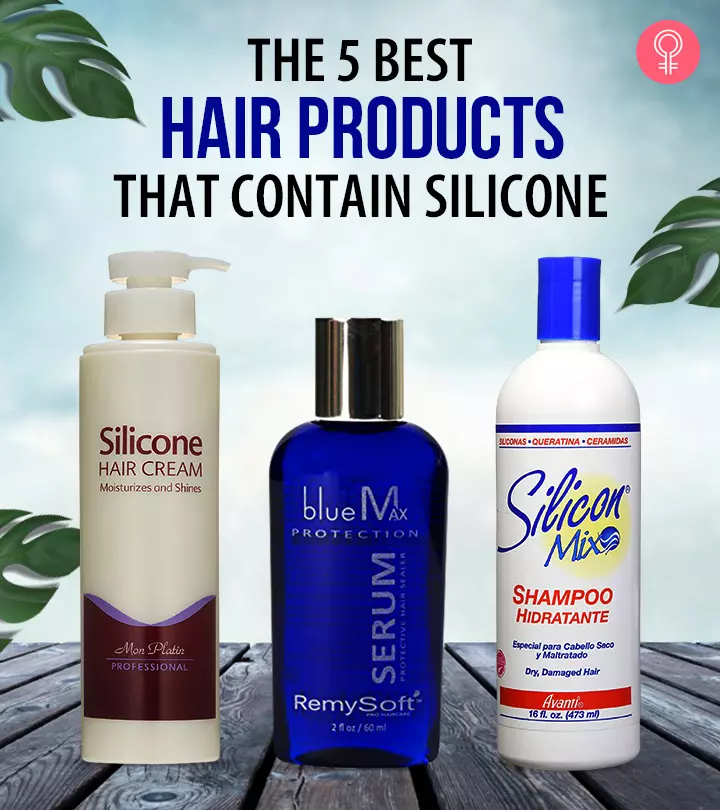
Let's talk about conditioner! We all want smooth, shiny, manageable hair, right? And have you ever glanced at the ingredients list of your favorite conditioner and seen the word "silicone"? It might sound like something from a science lab, but it's actually a pretty common ingredient, and understanding its role can really up your hair care game. Think of this as a friendly guide to decoding what silicones do in your conditioner and whether they're right for you. It's surprisingly fun and practical!
So, what's the deal with silicones in conditioner? Simply put, their primary purpose is to provide slip and shine. They coat the hair shaft, creating a smooth surface that reflects light, hence the shine. For beginners, this means easier detangling, less frizz, and hair that feels softer and healthier. It's like a quick fix for instantly improved manageability.
For families dealing with tangly kid hair, silicones can be a real lifesaver. They make brushing after bath time less of a wrestling match! Just be mindful of build-up; we'll get to that in a bit. Think of it as creating a protective barrier, minimizing friction when brushing. It's especially beneficial for kids with long or easily tangled hair.
Must Read
Hair care hobbyists, listen up! Different silicones offer different benefits. Some are lightweight and wash out easily, like cyclomethicone and dimethicone copolyol. Others are heavier and create a more durable coating, like dimethicone and amodimethicone. Understanding these variations allows you to choose conditioners tailored to your specific hair type and needs. For example, someone with fine hair might prefer lighter silicones to avoid weighing their hair down, while someone with thick, coarse hair might benefit from the extra smoothing power of heavier silicones.
Examples and Variations: You'll find silicones in a vast range of conditioners, from budget-friendly options to high-end salon brands. Some conditioners focus heavily on silicone for maximum immediate impact, while others use a blend of silicones and other ingredients to achieve a more balanced result. There are even silicone-free conditioners that use natural oils and butters to achieve similar benefits, although the results may be different.
Practical Tips: Here's how to get started incorporating (or not incorporating!) silicones into your hair care routine:
- Read the label: Identify silicones in your conditioner's ingredient list.
- Start small: If you're unsure, try a conditioner with lighter silicones first.
- Clarify regularly: Silicones can build up over time, making hair feel heavy and dull. Use a clarifying shampoo every few weeks to remove residue.
- Listen to your hair: Pay attention to how your hair responds. Does it feel greasy? Dry? Frizzy? Adjust your routine accordingly.
- Consider alternatives: If you prefer to avoid silicones, explore silicone-free conditioners with natural ingredients.
Ultimately, understanding the role of silicones in conditioner empowers you to make informed choices about your hair care. Whether you embrace them for their smoothing and detangling benefits or opt for silicone-free alternatives, the key is to find what works best for your hair and lifestyle. Experiment, have fun, and enjoy the journey to healthier, happier hair!
:max_bytes(150000):strip_icc()/LivingProofNoFrizzConditioner-90426283b9d64111bff58cc418775681.jpeg)