What Purpose Does Flux Serve In Welding Aluminum
Let's talk aluminum welding! Sure, it might not sound as thrilling as a superhero origin story, but trust me, understanding flux is like giving your welding skills a serious power-up. Aluminum is fantastic – lightweight, strong, corrosion-resistant – which makes it perfect for everything from airplanes to soda cans. But welding it can be tricky. That's where flux comes in, acting as the unsung hero of the aluminum welding world. So, why is flux so important, and what exactly does it do?
Think of aluminum like a shy person hiding behind a wall of… well, aluminum oxide. This oxide layer forms almost instantly when aluminum is exposed to air. It's incredibly tough and has a much higher melting point than the aluminum underneath. Try to weld through it, and you're more likely to end up with a messy, weak weld full of inclusions – essentially, imperfections trapped inside.
That's where flux shines. Its primary purpose is to remove this pesky aluminum oxide. It's like a chemical scrub brush, breaking down the oxide layer and allowing the welding arc to directly melt and fuse the base aluminum. Without flux, you’d be fighting a losing battle against this oxide barrier. It's the difference between a smooth, strong weld and a frustrating, porous mess.
Must Read
But flux does more than just remove oxides! It also helps with:
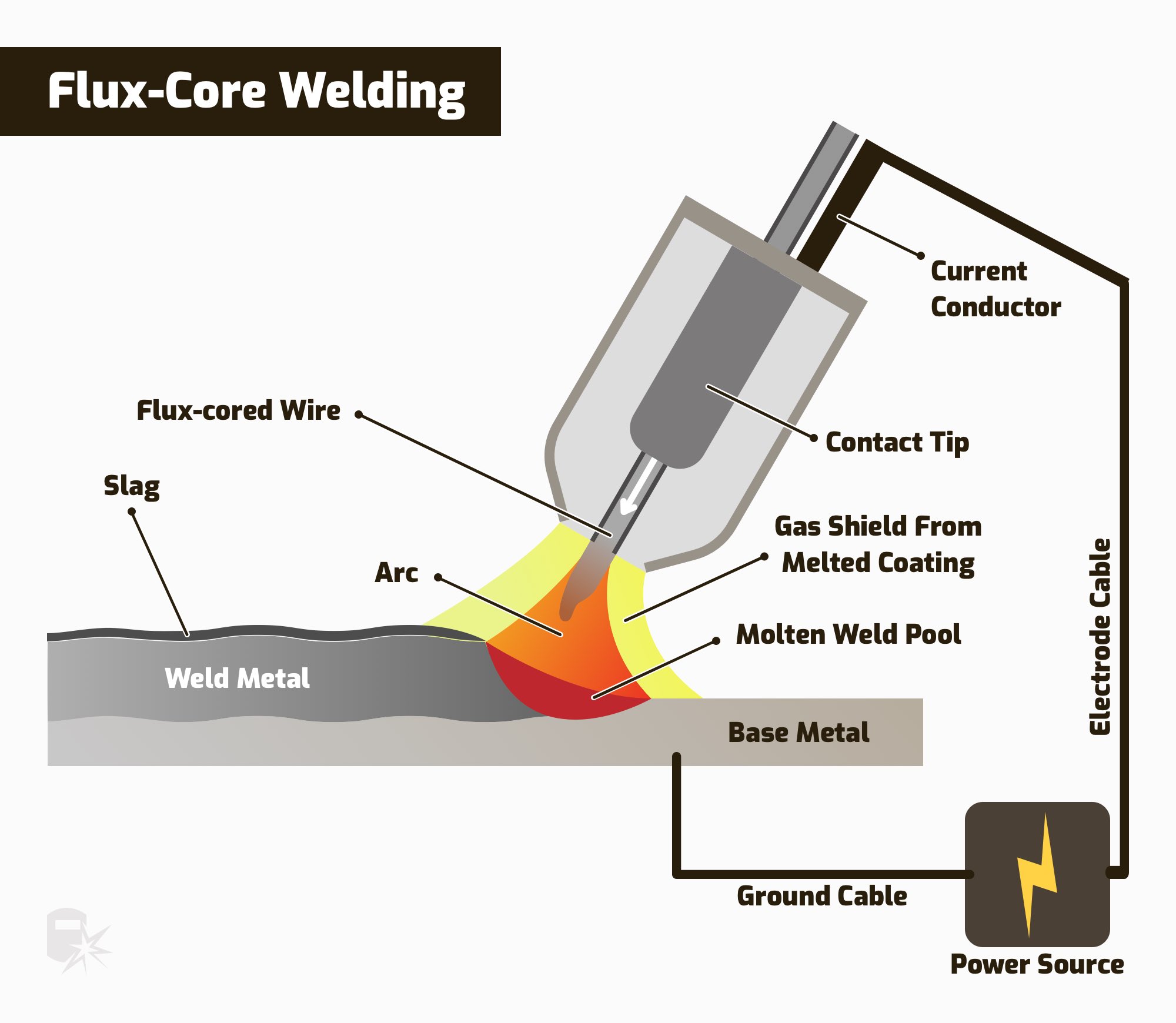
- Cleaning the weld area: Flux helps to dissolve other surface contaminants, ensuring a cleaner weld.
- Improving wetting: It enhances the flow of the molten aluminum, allowing it to spread evenly and properly wet the base metal. Think of it as making the molten metal less "sticky" and more inclined to spread out and create a strong bond.
- Protecting the weld pool: Some fluxes provide a protective atmosphere, shielding the molten metal from oxidation during the welding process. This is especially important for ensuring a strong and clean weld.
- Indicating temperature: Certain fluxes change color as the metal reaches the correct welding temperature, providing a visual cue for the welder. This can be incredibly helpful, especially for beginners.
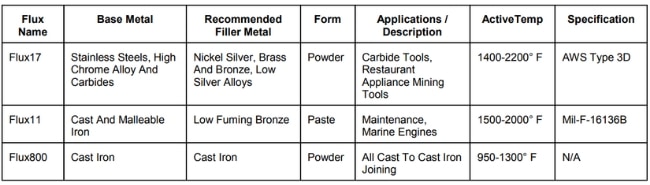
There are different types of flux available, each formulated for specific aluminum alloys and welding processes. It's important to choose the right flux for your particular application. Most importantly, always follow the manufacturer's instructions carefully when using flux. Proper application and removal are crucial for a successful weld.
Using flux correctly transforms aluminum welding from a potentially frustrating experience to a manageable and even enjoyable one. So, next time you're welding aluminum, remember the important role of flux. It's the secret ingredient that helps you create strong, clean, and reliable welds. Consider it your aluminum welding superpower!