What Plugs Do They Use In Greece
Picture this: You’ve just landed in Greece, the sun is shining, the scent of olive groves is in the air, and visions of ancient ruins and sparkling Aegean waters fill your mind. You’ve unpacked your bags, ready to snap that first breathtaking photo or look up the best taverna for dinner. You reach for your phone charger, eager to top up your battery after the long flight, only to realize… your plug doesn't fit! Panic sets in. Your carefully planned itinerary, your ability to navigate, and your connection to the world suddenly seem precariously unplugged. This is precisely why a little bit of pre-trip knowledge about electrical plugs can be your ultimate travel superpower, transforming potential frustration into seamless adventures!
Knowing what plugs are used in your destination isn't just about avoiding a last-minute scramble; it's about ensuring a smooth, stress-free travel experience. The purpose is simple: to keep your essential gadgets powered up and ready for action. Imagine missing out on capturing that stunning sunset over Santorini because your camera battery died, or getting lost in the labyrinthine streets of Athens because your phone's GPS ran out of juice. By being prepared, you ensure your devices – from smartphones and laptops to hair straighteners and e-readers – are always charged and operational. It’s about staying connected, capturing memories, and maintaining your peace of mind, allowing you to focus on the truly important things: enjoying Greece!
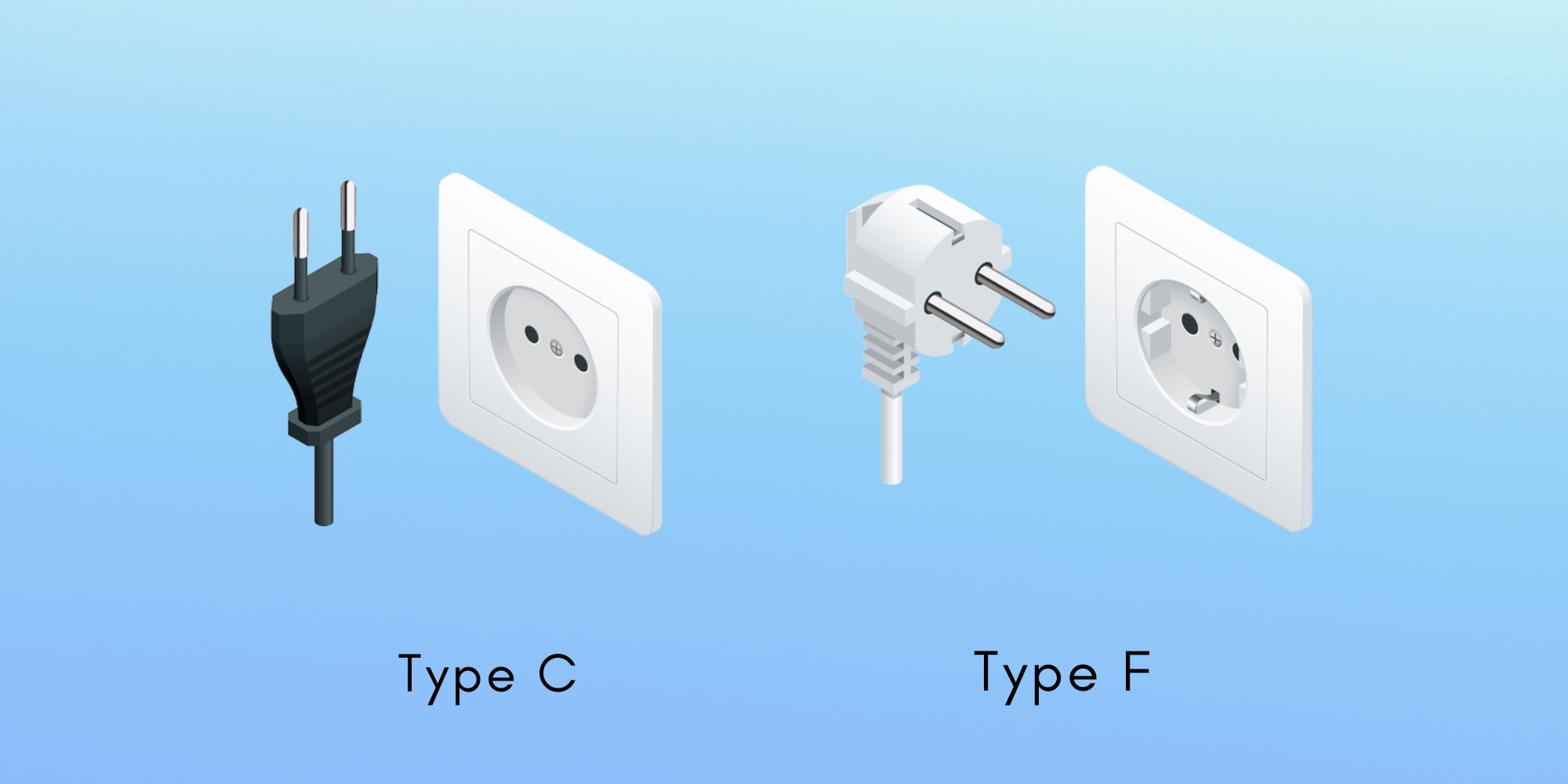
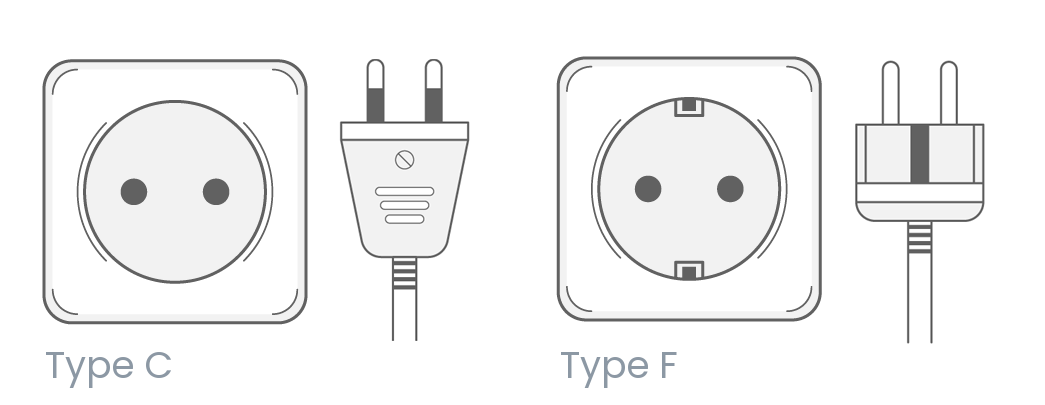
So, let's get down to the essential electrifying details for your Greek getaway. Greece primarily uses two types of electrical plugs: Type C and Type F. These are the two-round-pin European standard plugs, and they are widely used across the continent. You'll often hear them referred to interchangeably, but there's a slight difference: Type C has two round pins, while Type F (also known as "Schuko") also has two round pins but adds two grounding clips on the side, providing extra safety. The good news is that Type C plugs will fit into Type F sockets, and Type F plugs will fit into Type C sockets (though without the grounding feature if using a Type C socket).
Must Read
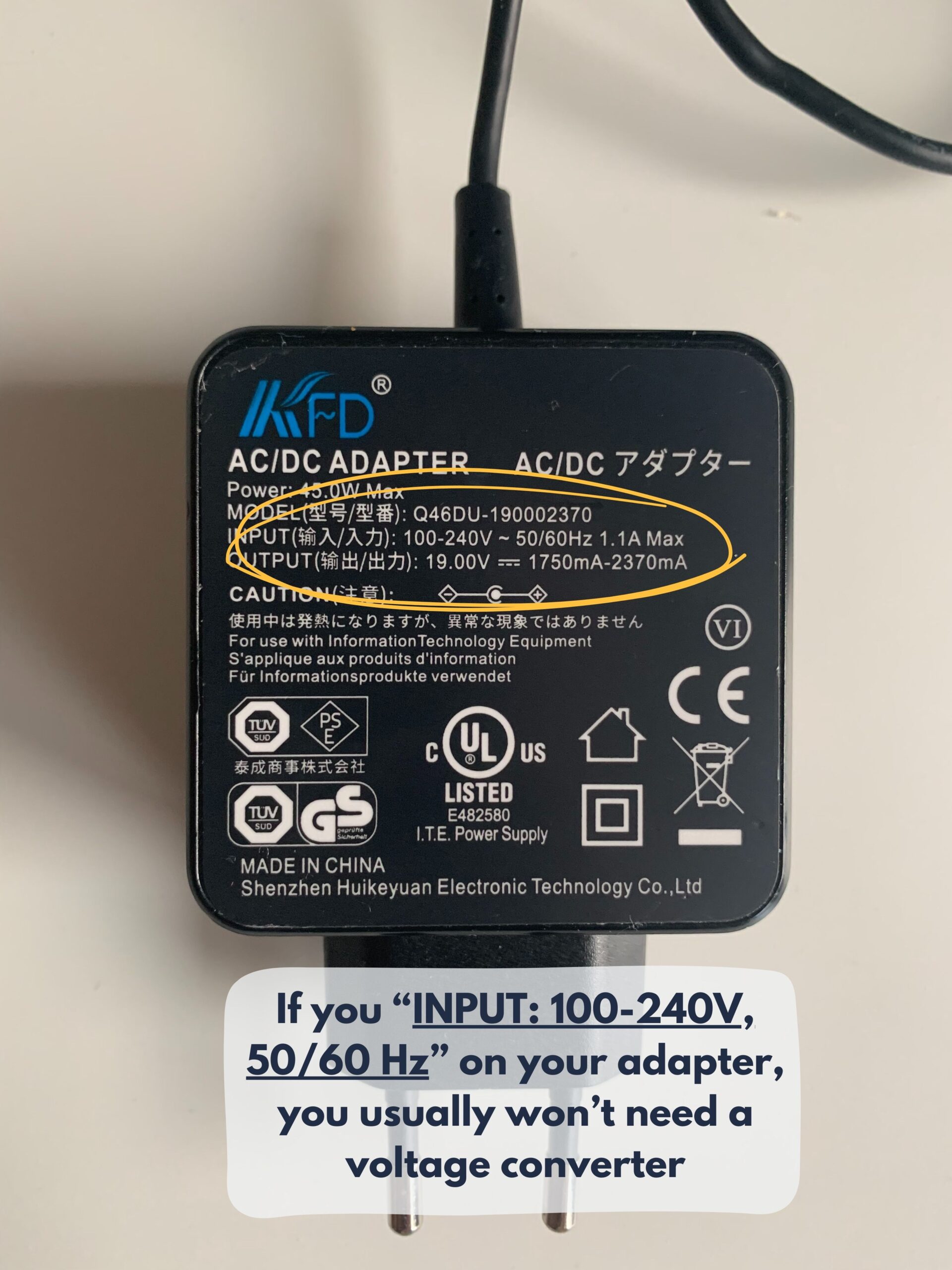
Beyond the physical shape, it's also crucial to remember the voltage. Greece operates on a 230V supply voltage and 50Hz. Most modern electronic devices (like phone chargers, laptop chargers, and camera chargers) are "dual voltage," meaning they can handle both 110-120V and 220-240V. You'll usually see this indicated on the charger itself (e.g., "Input: 100-240V, 50/60Hz"). If your device is dual voltage, all you need is a simple plug adapter. However, if you're bringing an older appliance or a high-power device like a hairdryer or curling iron that's only rated for 110-120V, you'll also need a voltage converter to avoid damaging your appliance or, worse, causing a power surge. It's always best to check your devices beforehand!
In summary, before you pack your swimsuits and sunscreen for Greece, make sure you toss in a Type C or Type F plug adapter (or a universal travel adapter that includes these types). Take a quick peek at your device chargers to confirm they are dual voltage. With this simple preparation, you can embark on your Hellenic adventure knowing that your devices will stay charged, your memories will be captured, and your trip will be nothing short of electrifying – in the best possible way!