What Parts Of Florida Is The Hurricane Hitting
Let's face it, nobody enjoys a hurricane bearing down on them. However, understanding where it's headed and who it might impact is crucial information that many people follow intently, be it out of genuine concern, morbid curiosity (we've all been there!), or, most importantly, to ensure the safety of themselves and their loved ones.
Knowing the projected path of a hurricane isn't just about satisfying a news junkie's need for information. It's a matter of life and death. This knowledge allows for timely evacuation orders, giving residents ample opportunity to seek shelter further inland or in sturdier buildings. Businesses can secure their premises, minimizing potential damage and economic loss. Emergency services can pre-position resources to respond quickly and effectively after the storm passes. In short, understanding the storm's target helps everyone prepare, react, and hopefully, recover quickly.
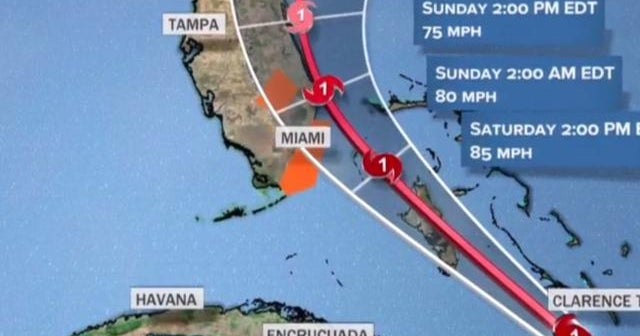
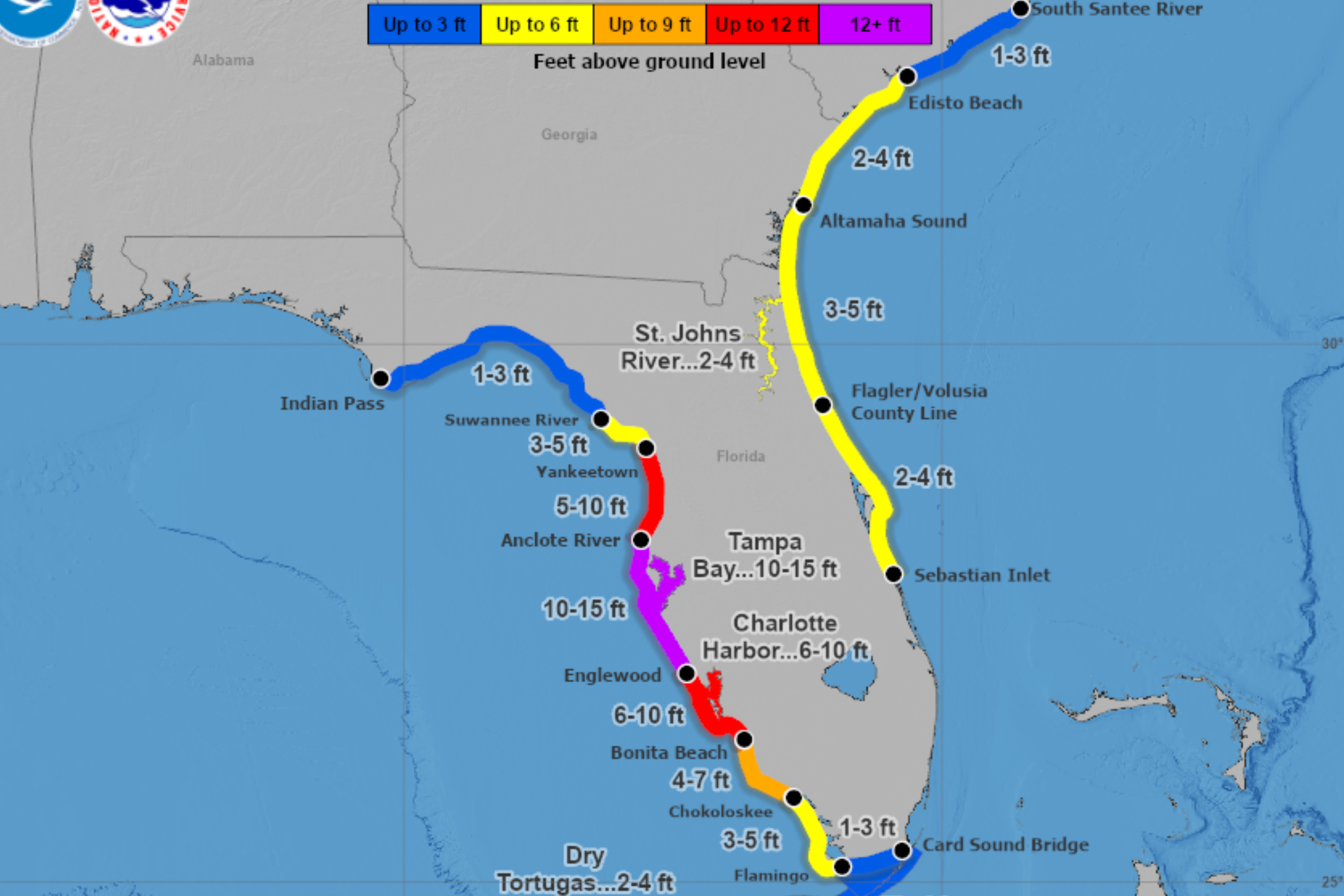
Think about the news coverage you often see: weather maps plastered with swirling colors and arrows. These maps often highlight specific areas most likely to experience the brunt of the storm. We might hear commentators talking about "the cone of uncertainty," which indicates the range of possible paths. Lately, these forecasts are increasingly specific, with pinpointed locations and even discussions of expected storm surge levels in particular coastal communities. For example, you might hear something like, "The current projections put the eye of the storm making landfall near Fort Myers, with significant flooding expected in Naples." Understanding these geographical references allows individuals in those regions to take immediate and decisive action.
Must Read
So, how can you stay informed and use this information more effectively? Here are a few tips:
- Rely on trusted sources: Stick to reputable news outlets like the National Hurricane Center (NHC), local news channels with dedicated meteorology teams, and government websites. Avoid sensationalized social media posts.
- Understand the jargon: Familiarize yourself with terms like "hurricane warning" (imminent threat) and "hurricane watch" (possible threat). Know the Saffir-Simpson Hurricane Wind Scale to understand the potential intensity of the storm.
- Focus on the specifics for your area: While the overall track is important, pay close attention to what the forecast says about your specific location. Will you experience high winds? Torrential rain? Storm surge? Evacuation orders?
- Don't rely on a single source: Cross-reference information from multiple sources to get a more complete picture of the potential impact.
- Have a plan: Understanding the hurricane's path is only half the battle. You need a well-defined evacuation plan, an emergency kit, and a communication strategy to stay in touch with loved ones.
- Stay updated: Hurricane paths can change. Monitor the forecast regularly as the storm approaches and be prepared to adjust your plans accordingly.
Ultimately, understanding the "where" of a hurricane is about empowering yourself and your community to navigate a dangerous situation as safely as possible. It’s not about panicking, but about preparedness and proactive decision-making. By staying informed and utilizing reliable resources, you can significantly reduce the risks associated with these powerful storms. The more informed we are, the safer we can be.