
What Natural Resources Are Used To Make Polyester
Ever slipped into your favorite comfy t-shirt and thought, "Ah, polyester… so smooth!"? We use polyester every single day. From clothes to carpets, even the stuffing in your teddy bear might be polyester. But have you ever stopped to wonder what actually goes into making this super versatile material? Well, let's dive in!
The Secret Sauce: Petroleum, Air, and Water
The main ingredient in polyester is…drumroll please… petroleum! Yep, the same stuff we get gasoline from. "Wait, gasoline in my shirt?!" I hear you cry. Don't worry, it's not quite as simple as pouring crude oil into a washing machine. The petroleum undergoes a pretty intense chemical transformation to become the strong, flexible fibers we know and love.
Think of it like baking a cake. You wouldn't just eat a bag of flour, a stick of butter, and a raw egg, right? You mix them together and transform them into something delicious. It's the same with petroleum and polyester! Petroleum is broken down into smaller components, like ethylene, which is then combined with other chemicals to create a polymer (a long chain of molecules) called polyester.
Must Read
But petroleum isn’t the only ingredient. Air and water also play a role in the process. The precise chemical reactions often require oxygen from the air and hydrogen from water. It's a team effort, really! Petroleum provides the carbon backbone, while air and water help build the structure.
From Goo to Garment: A Quick Peek at the Process
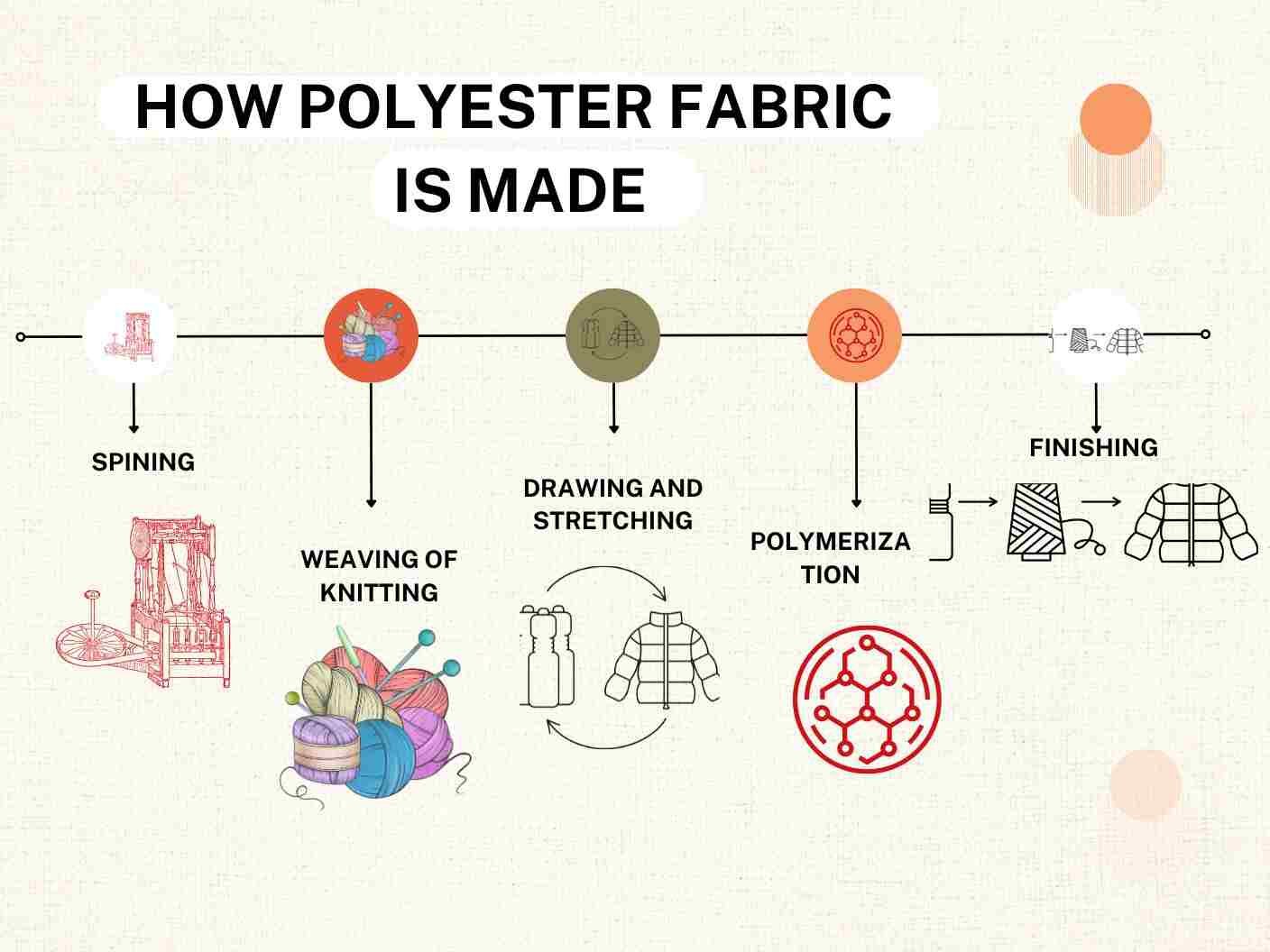
Okay, so we have petroleum, air, and water… now what? Basically, the petroleum is refined and processed to create a chemical called ethylene glycol. Another chemical, terephthalic acid, is also produced. These two chemicals are then combined in a reactor to form molten polyester.
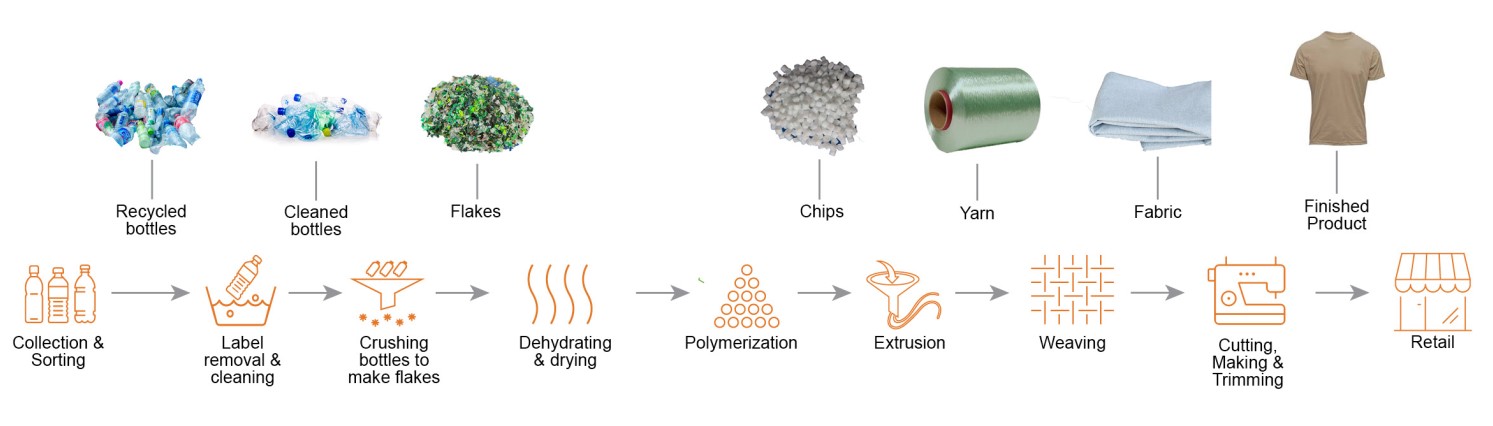
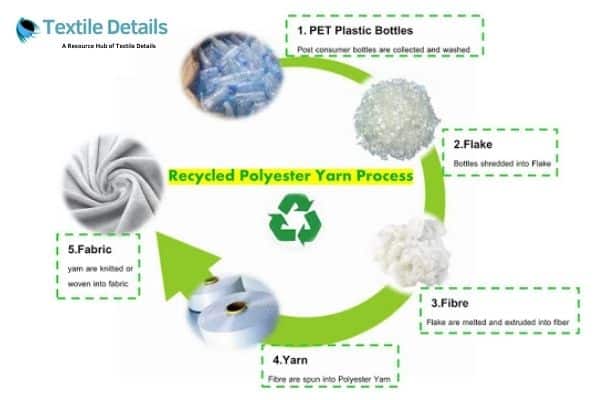
Imagine a thick, gooey liquid, like hot honey. This molten polyester is then forced through tiny holes in a device called a spinneret. As the liquid emerges from these holes, it cools and hardens into long, thin fibers – like turning honey into candy floss! These fibers are then spun into yarn, which can be woven or knitted into fabric.
Think of it like making spaghetti! You start with dough, push it through a pasta maker, and get long, thin strands. The polyester process is similar, just on a much larger, more industrial scale.
Why Should We Care About This? (Besides the Cool Science!)
So, why is it important to know that polyester comes from petroleum? Well, for a few reasons! Firstly, understanding the source of our materials helps us make more informed choices as consumers. Petroleum is a non-renewable resource, meaning we have a limited supply of it. This means that making polyester, like making many other things, impacts the planet.
Secondly, knowing the process allows us to appreciate the innovation and technology that goes into creating the things we use every day. Think about it – someone had to figure out how to turn a sticky, black liquid into a soft, durable fabric! That's pretty amazing, right?
Finally, understanding the source can encourage us to think about sustainability. Can we recycle polyester? Can we use it more efficiently? Are there alternatives? These are important questions to ask as we strive to live more responsibly.

The Future of Polyester: A Greener Tomorrow?
The good news is, scientists and companies are working on ways to make polyester production more sustainable! They are exploring the use of bio-based resources like corn or sugarcane to create the building blocks of polyester, instead of relying solely on petroleum.
Imagine a future where your favorite yoga pants are made from plants! That's the kind of innovation that can help us reduce our reliance on fossil fuels and create a more circular economy. Furthermore, exciting research is being done on chemical recycling of polyester, which is breaking down the material at the molecular level and creating new polyester materials from the old.
So, the next time you reach for that comfy fleece jacket or admire the vibrant colors of your shower curtain, remember the journey it took to get there. From petroleum deep underground to the complex chemistry of manufacturing, polyester is a testament to human ingenuity. And by understanding its origins, we can all play a part in creating a more sustainable future for this incredibly useful material.
