
What Metals Is Brass Made Of

Ever held a gleaming, golden object and wondered about its secret identity? You know the kind – a majestic trumpet, a sturdy doorknob, or perhaps a beautiful antique lamp. Many times, that radiant material is none other than brass! It’s all around us, adding a touch of timeless elegance and robust utility to our daily lives. But here’s a fun question: have you ever stopped to think, "Hey, what metals is brass actually made of?"
If you haven't, don't worry, you're in for a treat! Because learning about brass isn't just about chemistry; it's about uncovering a little bit of magic, a sprinkle of ingenuity, and a whole lot of fascinating history that makes the ordinary feel extraordinary. So, buckle up, because we're about to dive into the sparkling heart of this beloved alloy!
The Dynamic Duo: Copper and Zinc Take Center Stage!
Alright, drumroll please! The primary, undisputed champions of brass are… copper and zinc! Yep, that's right. Brass isn't a pure element like gold or iron; it’s an alloy, which is just a fancy way of saying it's a metal made by combining two or more metallic elements. Think of it like a culinary masterpiece – sure, you love flour, but put it with eggs, sugar, and butter, and voilà, you have cake!
Must Read
Copper, with its gorgeous reddish-orange hue, is the star player, typically making up the bulk of brass. It's known for being incredibly malleable (meaning you can shape it easily) and an excellent conductor of heat and electricity. It’s also naturally antimicrobial – pretty neat, huh?
Then we have zinc, the trusty sidekick. Zinc is a silvery-white metal that, when added to copper, works wonders. It helps to harden the copper and makes the resulting alloy more durable and easier to cast. It’s like adding a bit of backbone and sparkle to copper's gentle charm.
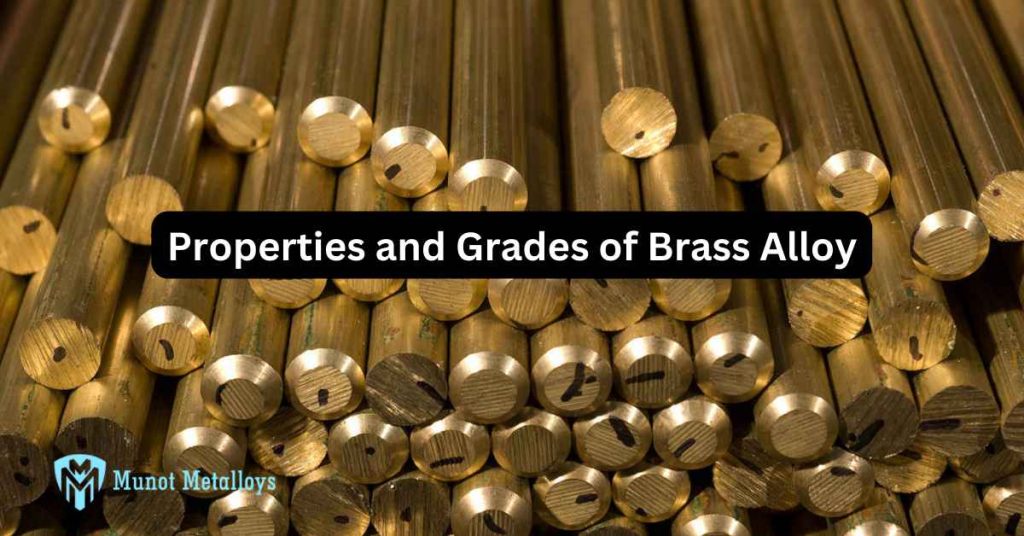
Together, these two metals form a partnership that is truly greater than the sum of its parts. It's a classic buddy cop movie, but for metals!
The Art of the Blend: Proportions Matter!
Now, here's where it gets really interesting and where the "magic" truly happens. It's not just what metals are in brass, but how much of each. The specific proportions of copper and zinc dramatically influence brass's properties, creating a dazzling array of different types of brass. Isn't that wild?
For instance, if you have more copper and less zinc, you might get something like "red brass" (around 85% copper, 15% zinc), which has a lovely reddish-gold tone and is often used for plumbing fixtures because of its corrosion resistance.
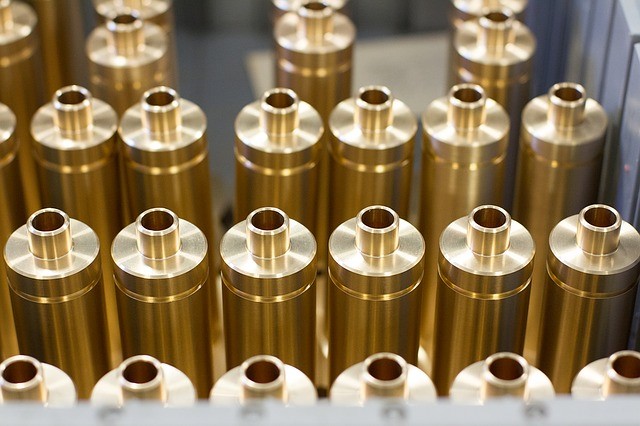
Crank up the zinc content a bit, say to 30-40%, and you get "yellow brass" or "cartridge brass," which has that classic bright golden color we often associate with musical instruments and decorative items. This type is stronger and more workable.
So, the next time you see a brass object, remember it’s not just "brass" – it’s a carefully calibrated blend, a specific recipe chosen for its intended purpose. Talk about intentional design!

A Dash of This, A Pinch of That: Other Secret Ingredients
Sometimes, our dynamic duo invites a few other guests to the party to enhance specific qualities. These are usually in much smaller amounts, but they play crucial roles:
- Lead: Often added in small quantities to make brass easier to machine or cut, which is great for intricate parts like gears or valves.
- Tin: Can increase corrosion resistance, especially in saltwater environments – perfect for marine applications!
- Manganese or Aluminum: These can add strength and resistance to wear, making the brass even tougher for heavy-duty uses.
See? It's like a finely tuned orchestra, with each element contributing its unique note to create a harmonious and functional material!
Why Should This Make Your Life More Fun?
You might be thinking, "Okay, cool, copper and zinc. So what?" But here’s the thing: understanding the composition of brass (or anything, really!) opens up a whole new level of appreciation for the world around you. When you look at a gleaming saxophone, you don't just see a shiny object; you see a marvel of engineering, a perfect blend of metals designed to produce resonant, beautiful music. When you grab a sturdy brass lock, you're not just touching metal; you're connecting with a material chosen for its strength, durability, and resistance to corrosion, thanks to that clever copper-zinc alliance.
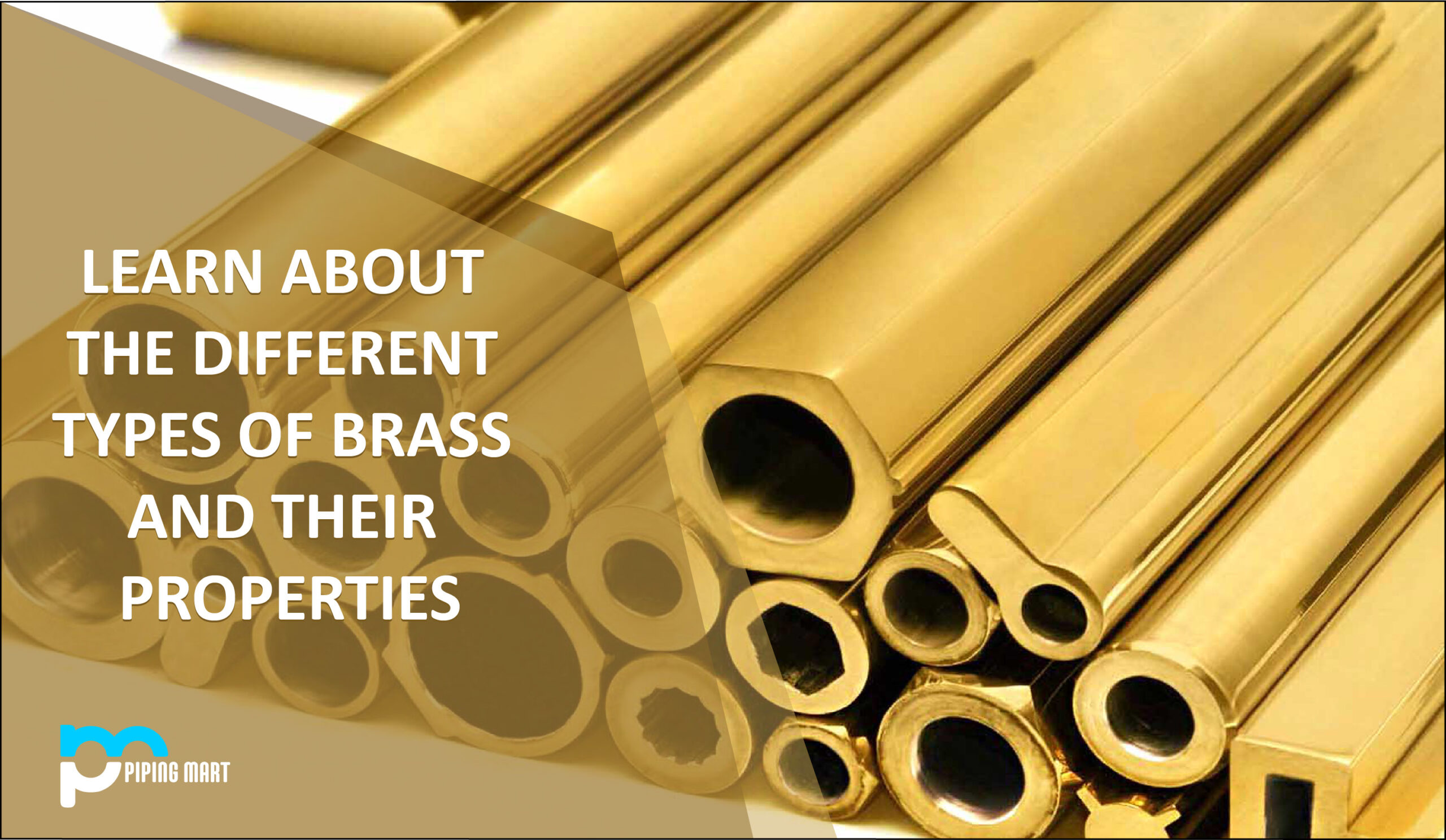
It's about seeing the hidden stories, the intentional choices, and the incredible ingenuity behind everyday items. It turns a simple doorknob into a tiny testament to human innovation. Isn't that more exciting than just seeing… well, a doorknob?
Embrace the Curiosity!
So, the next time you encounter a piece of brass, take a moment. Appreciate its unique color, its feel, its purpose. And know that behind its golden gleam lies a brilliant partnership of copper and zinc, often with a few supporting characters, all working together to make your world a little bit brighter, a little bit stronger, and a little bit more beautiful.
This little peek into the world of brass is just one example of how much wonder there is in the seemingly mundane. So, go forth with curiosity! Ask questions, explore, and let yourself be inspired by the incredible stories hidden in plain sight. Who knows what other amazing discoveries are waiting for you, just beneath the surface of the everyday?